
Article
How To Match Equipment Loan Terms To Asset Life Safely
Align your equipment loan term to the real working life and resale value of the asset so you’re not still paying for gear after it’s obsolete or sold. Here’s the quick, decision‑grade way to do it this week.
Key Takeaway
Aligning equipment loan terms with asset life means structuring finance so the debt is repaid before the asset stops reliably generating income, typically over 3–7 years for most business equipment. This reduces negative equity risk, avoids paying for obsolete gear, and helps cashflow planning, especially when paired with realistic residual values and lease terms. The practical takeaway is to choose your term and any balloon based on working life and resale value, not just the lowest monthly repayment.
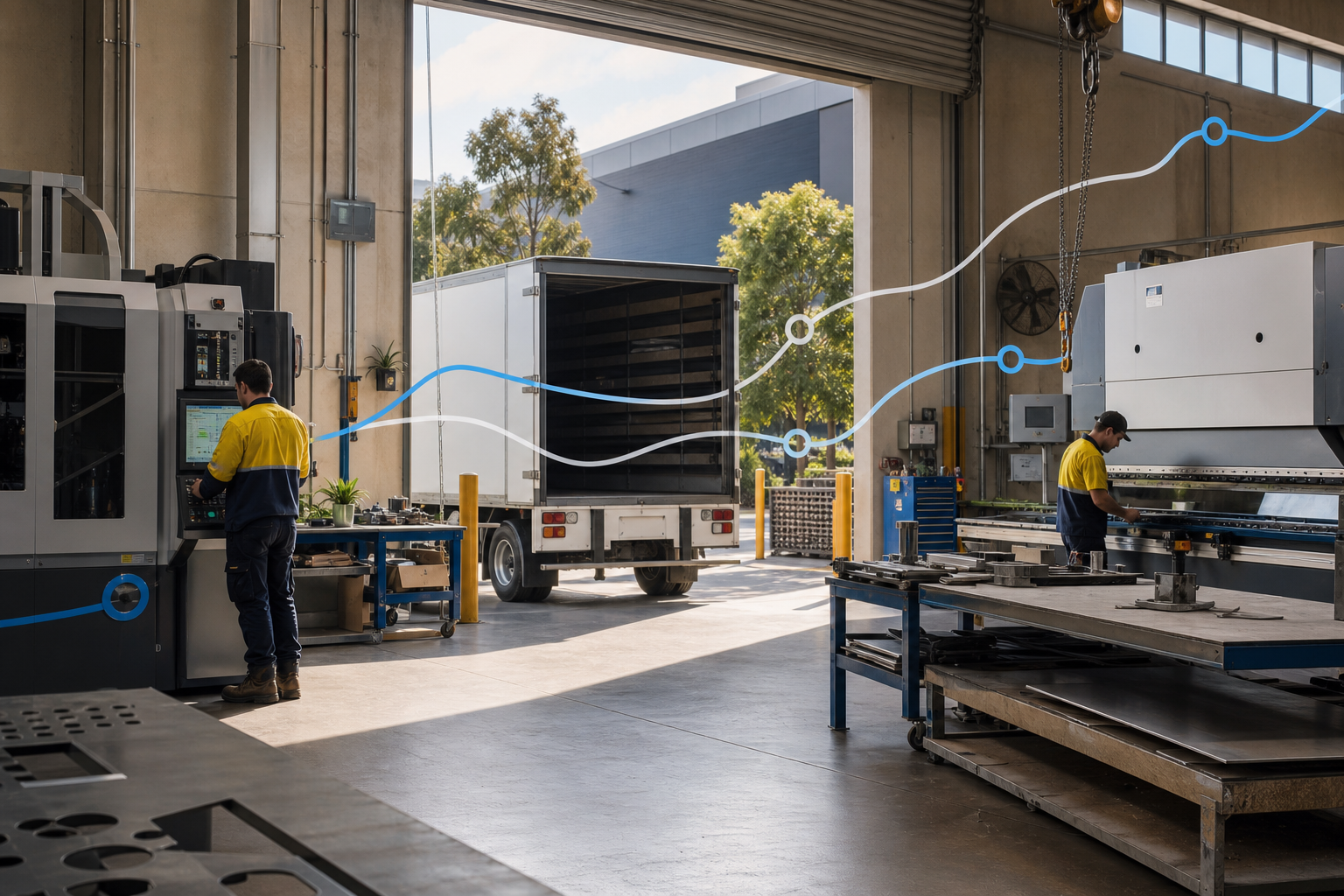
Aligning an equipment loan term with the life of your asset means making sure the debt is gone (or close to it) before the gear stops reliably earning income or has little resale value. If the term is too long, you risk negative equity, forced refinances and paying for obsolete equipment. Too short, and repayments can choke cashflow.

Step 1: Work out the real working life (not the brochure life)
Forget the glossy brochure. You want the years it will comfortably earn money in your business, not the absolute maximum before it dies.
For most small businesses, realistic ranges are:
- IT and office tech: 3–4 years
- Vehicles and light commercial: 4–6 years
- Heavy machinery / commercial kitchens: 5–7 years
- Fit‑outs and lease‑bound assets: term should not exceed the remaining lease (including options)
This lines up with our broader rule across articles: short‑life assets and fit‑outs should never be financed beyond their useful life or lease term, whichever is shorter (see also our guidance on coordinating asset loans at /insights/how-much-can-i-borrow-for-business-equipment-lvrs-terms-security).
Sanity check your estimate with:
- Manufacturer warranties
- Your past replacement cycle
- How hard you run the gear (e.g. 2 shifts vs light use)
Quick example
You buy a refrigerated truck for $150,000. You expect to keep it 5–6 years before maintenance and breakdown risk jumps. That makes a 5‑year term your starting point, not 7.
Step 2: Match loan term to asset life and lease horizon
Once you know the working life, the rule of thumb is simple:
- Loan term ≤ realistic asset life
- Loan term ≤ remaining lease/contract term, if the asset is tied to a site or contract
For fit‑outs and location‑specific equipment, that lease cap is critical. You don’t want to be paying for a café fit‑out three years after you’ve left the site (a point we reinforce in our fit‑out funding guides).
Term selection guide
| Asset type | Typical term (yrs) | Comment |
|---|---|---|
| Laptops / office IT | 3–4 | Avoid big balloons; tech dates fast |
| Utes / light commercial vehicles | 4–6 | Match to expected kilometres & usage |
| Trucks / yellow gear / plant | 5–7 | Higher resale supports longer terms |
| Commercial kitchen equipment | 5–7 | Often lines up with 5‑year leases |
| Shop fit‑out tied to lease | Lease term max | Never outlast the lease |
If a lender offers longer than your comfort zone, remember: just because you can stretch to 7 years doesn’t mean you should.
The strategy continues below
You've seen the problem and the groundwork — now unlock the exact steps our CPA-certified brokers use, including 4 more sections. Enter your email for instant, free full access.
Free access. No spam — unsubscribe anytime. Your details stay confidential.
Frequently asked questions
Talk to a CPA-certified broker
Free consultation, plain-English advice tailored to your situation.