
Article
Boutique vs franchise mortgage broker in Sydney: how to choose fast
Trying to pick between a boutique and franchise mortgage broker in Sydney? Here’s a fast, decision‑grade guide to pros, cons and which fits you this week.
Key Takeaway
This article explains how to choose between a boutique and franchise mortgage broker in Sydney by comparing flexibility, lender panel breadth, service model, and pricing transparency. It notes that around two‑thirds of Australian mortgages now come via brokers, underscoring the importance of broker choice. Readers get clear profiles of who suits boutique vs franchise, a three‑step interview checklist, and a one‑week action plan so they can short‑list, test, and engage the right broker style quickly and safely.
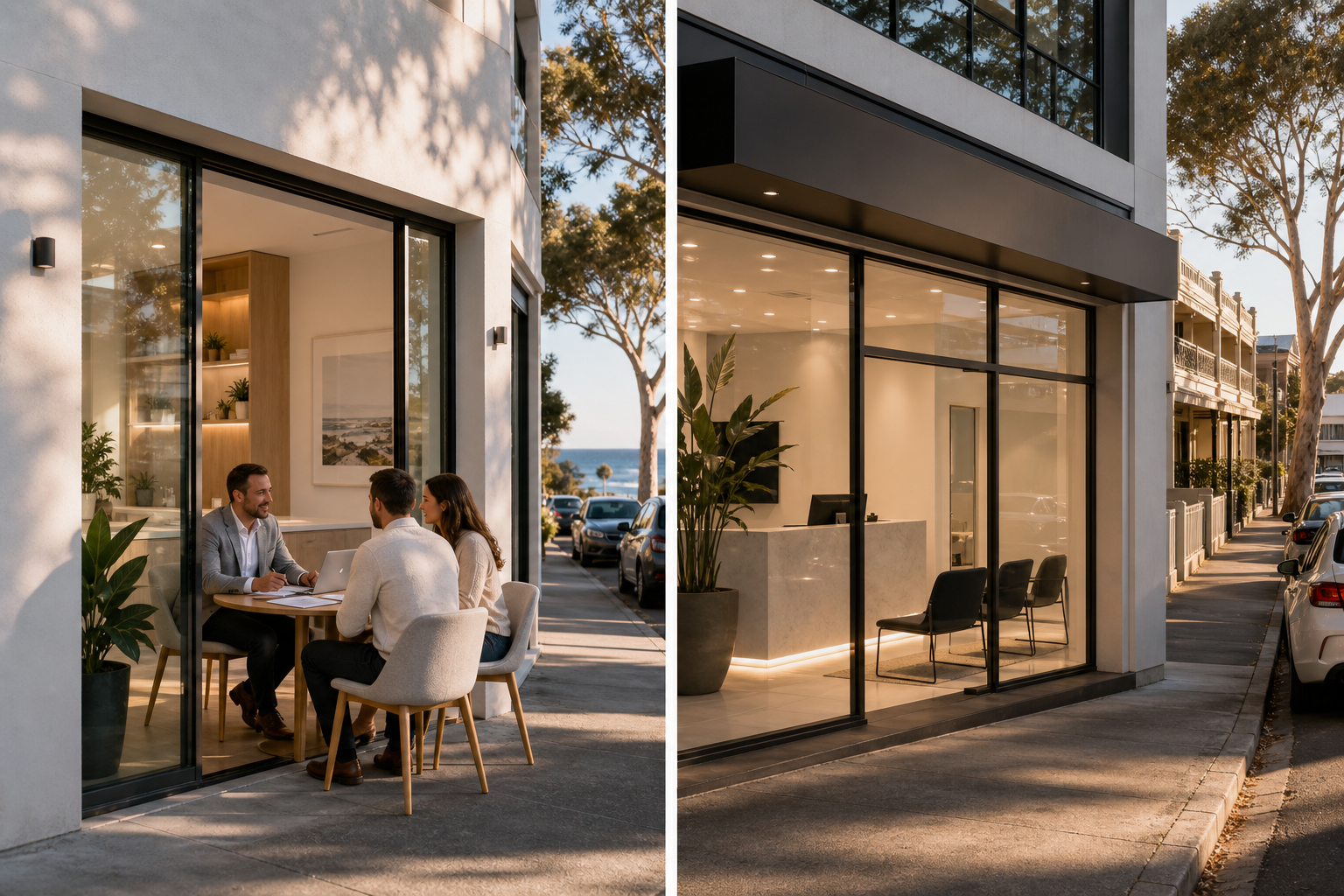
This topic is covered in full on Tailored Loans Sydney
Trying to pick between a boutique and franchise mortgage broker in Sydney? Here’s a fast, decision‑grade guide to pros, cons and which fits you this week.
Read the full guide on tailoredloans.sydneyFor most Sydney borrowers, the choice between a boutique and franchise mortgage broker comes down to three things: how complex your situation is, how much strategy you need, and whether you want a long‑term adviser or a big brand process. Boutique brokers usually win on flexibility, custom structures and ongoing care; franchises usually win on brand comfort, scale and standardised systems.
Here’s how to choose the right style for you this week.

Boutique vs franchise broker: what’s the real difference?
Boutique broker
- Independently owned, small team (often 1–5 brokers).
- Usually deals with complex, higher‑touch clients.
- Brand is the individual, not a national logo.
Franchise broker
- Part of a big national brand.
- Individual operators under one franchise system.
- Consistent branding, processes and marketing.
Both must meet the same licensing rules and responsible lending laws. Neither is automatically “better” — you’re choosing a service model, not just a personality.
When a boutique broker usually works better
You’re likely better suited to a boutique if at least one of these is true:
-
Your income is complex
Self‑employed, company/trust dividends, multiple contracts, or significant bonuses. -
You’ve got multiple loans or plans
Home + 1–3 investments, or home + business/working capital facilities. -
You want tax and structure considered up‑front
For Eastern Suburbs borrowers, a good boutique will help keep total home and investment repayments around 30–35% of after‑tax income when stress‑tested at current rates +3%, even if banks would lend you more (see also /insights/eastern-suburbs-broker-vs-big-4-bank-loan-differences). -
You value one strategist over many ‘product people’
You’d prefer a single adviser who knows your full picture, not retelling your story to a new person every refinance. -
You want flexibility beyond the Big‑4
Boutique‑friendly lenders can offer sharper pricing or more tolerant policies if your file is outside the box, as shown in /insights/switching-big-4-to-boutique-friendly-lenders-eastern-suburbs-case-studies.
Typical boutique strengths
- More time per client, deeper questions, fewer hand‑offs.
- More willing to push valuation disputes, escalations and complex credit memos.
- Holistic structures (separate investment splits, offsets, business vs personal security).
- Easier to reach the actual decision‑maker quickly.
Potential boutique drawbacks
- Smaller team can mean less redundancy if your main broker is away.
- Less recognised brand if you’re comforted by big logos.
- Processes might be more bespoke than app‑driven.
The strategy continues below
You've seen the problem and the groundwork — now unlock the exact steps our CPA-certified brokers use, including 4 more sections. Enter your email for instant, free full access.
Free access. No spam — unsubscribe anytime. Your details stay confidential.
Frequently asked questions
Talk to a CPA-certified broker
Free consultation, plain-English advice tailored to your situation.