
Article
Using Debt Recycling When You Install Solar: What Actually Works
You *can* pair debt recycling with home solar, but only if you keep clean loan splits, respect ATO purpose rules, and run the numbers on cashflow and risk. This guide shows how to structure it safely and what to do in the next seven days.
Key Takeaway
Australians can use debt recycling strategies when installing solar by first borrowing for the solar system as non-deductible home debt, then progressively paying this down and reborrowing in a separate split purely for income-producing investments, in line with ATO purpose rules. With mortgage stress at 32.5% of borrowers in 2026, stress-testing repayments 3% above current rates and keeping 6–12 months of buffers is crucial. The actionable step is to set up clean loan splits and a written recycling plan with both broker and accountant.

This topic is covered in full on Tailored Loans Sydney
You *can* pair debt recycling with home solar, but only if you keep clean loan splits, respect ATO purpose rules, and run the numbers on cashflow and risk. This guide shows how to structure it safely and what to do in the next seven days.
Read the full guide on tailoredloans.sydneyYou can use debt recycling when you install solar on your home, but only if you keep the solar borrowing non‑deductible, create clean investment loan splits and maintain strong buffers. The ATO cares about purpose of each loan split, not what secures it, so the recycling piece must be clearly tied to income‑producing investments, not the panels themselves.
Quick answer:
- Borrow (or use equity) for solar in a dedicated, non‑deductible home loan split.
- Direct extra cashflow and solar savings into that split to pay it down faster.
- Reborrow the repaid principal in a separate split only for investments (e.g. ETFs, investment property costs).
- Keep perfect records and don’t mix personal spending or solar costs into the investment split.
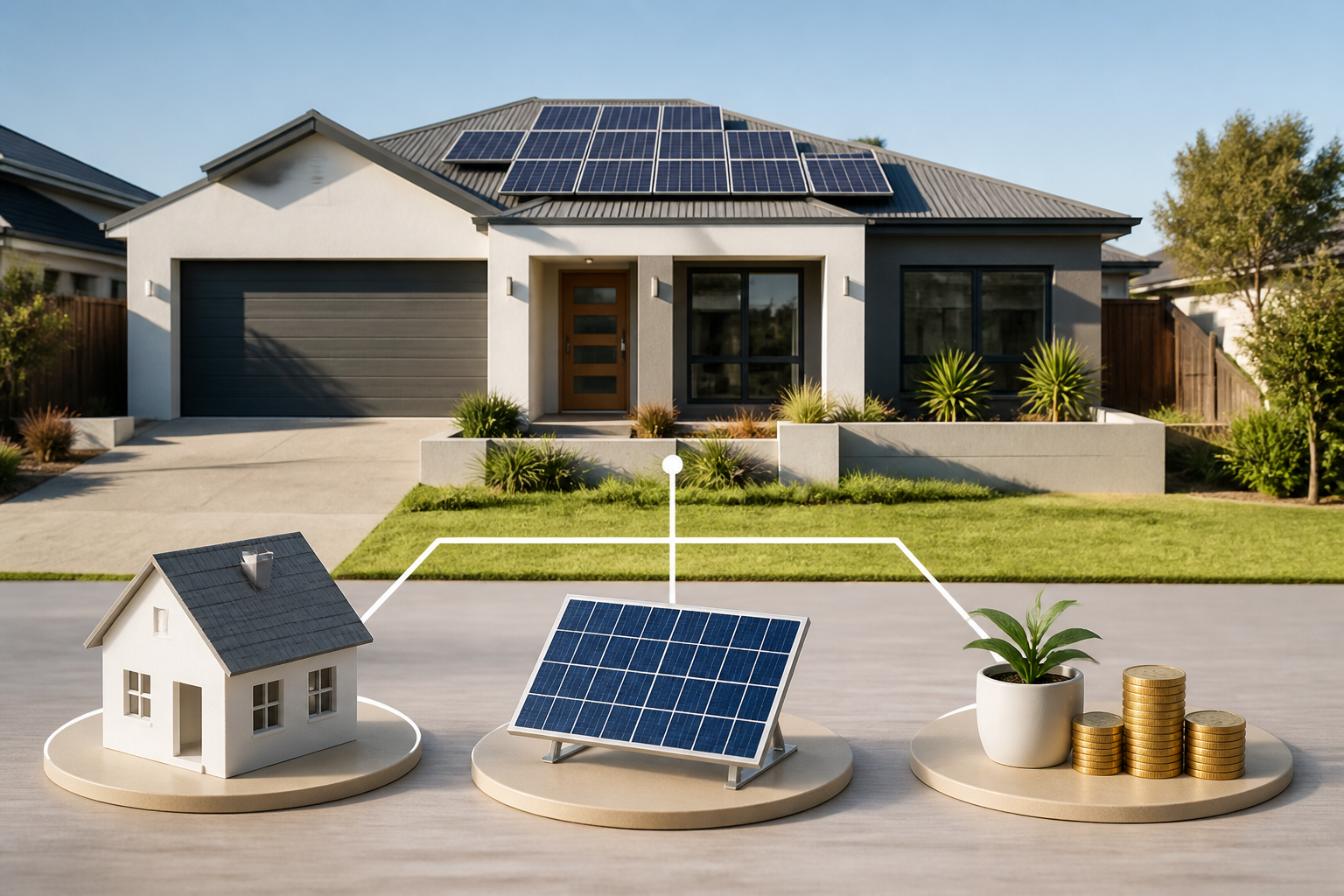
How solar actually fits into a debt recycling plan
Think of solar as a home improvement first, not an investment asset.
ATO rules treat most owner‑occupied solar as private use. Interest on borrowing for that purpose is not deductible, even if the loan is secured by your home or an investment property.
So where does debt recycling come in?
You use the cashflow improvement from solar (lower power bills) to speed up repayments on your non‑deductible home loan, then reborrow that freed‑up equity in a separate split purely for investments. The solar simply helps create the surplus.
For a deeper dive on clean splits and recycling basics, see our Bronte guide: Debt Recycling and Loan Splits in Bronte: Safe Ways To Boost Wealth.
Simple worked example
- Solar + battery cost: $25,000 (after rebates).
- You create a new home loan split: $25,000, 6.5% p.a., 20‑year P&I.
- Repayments ≈ $186/month.
- Solar reduces your power bills by, say, $120/month (after you haircut the installer’s glossy numbers by 20%).
If you top up repayments by an extra $120/month using the savings, you’re effectively repaying $306/month. That clears the solar split far faster, which then lets you reborrow that repaid principal in a separate investment split as part of a recycling plan.
The strategy continues below
You've seen the problem and the groundwork — now unlock the exact steps our CPA-certified brokers use, including 5 more sections. Enter your email for instant, free full access.
Free access. No spam — unsubscribe anytime. Your details stay confidential.
Frequently asked questions
Talk to a CPA-certified broker
Free consultation, plain-English advice tailored to your situation.