
Article
Equipment finance strategies for tradies: vans, tools and tech
A practical guide for electricians, plumbers and small contractors on financing vans, tools and equipment without choking cashflow or risking the family home.
Key Takeaway
Equipment finance for tradies lets electricians, plumbers and small contractors fund vans, tools and machinery over 3–7 years with the asset as security, keeping cashflow free for wages and materials. Typical terms match the gear’s useful life, and mainstream lenders may fund up to 100% of standard vehicles and equipment. The most practical strategy is to ring‑fence business debt in dedicated facilities, choose realistic balloons, and test affordability against conservative cashflow before signing a contract.
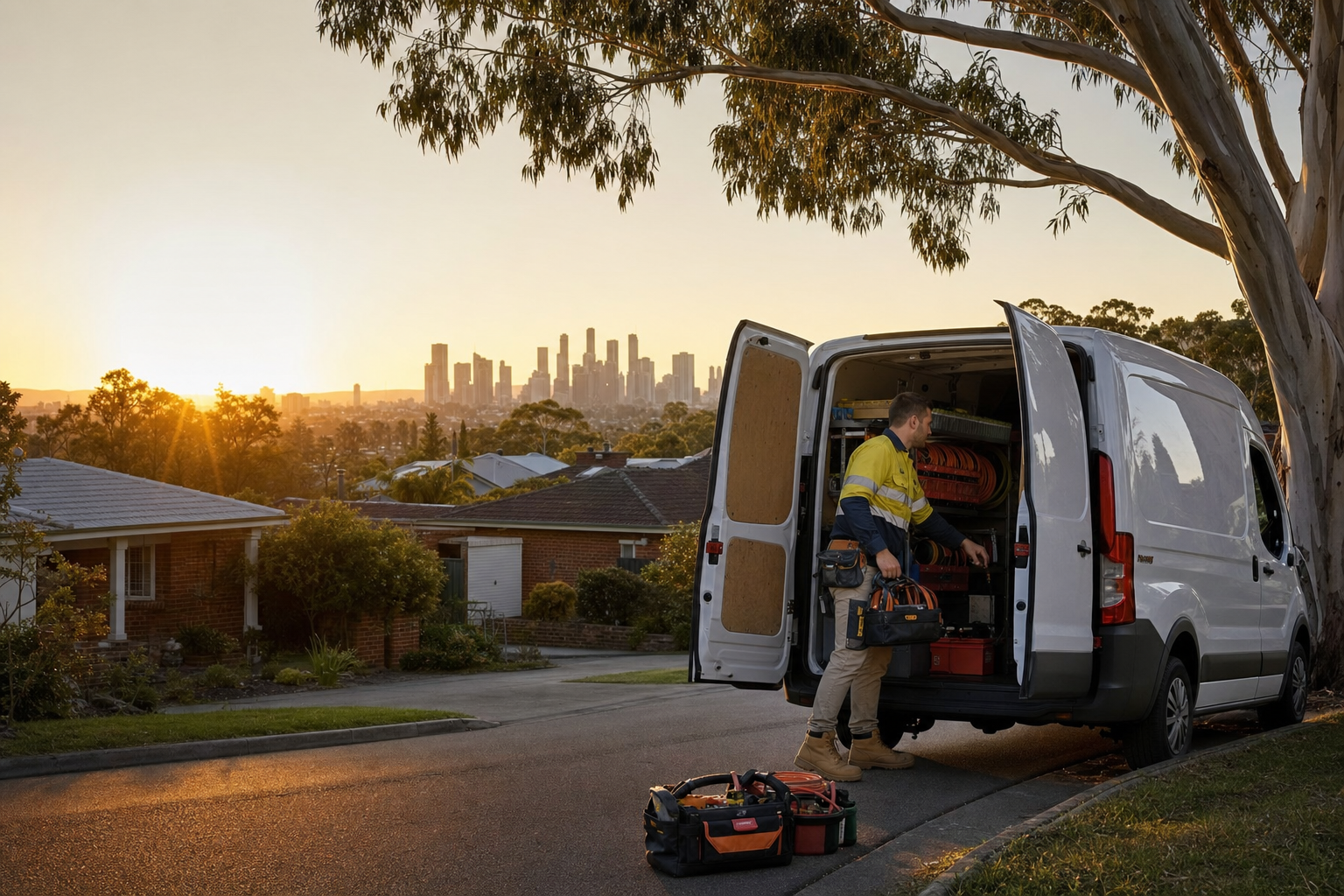
Tradie equipment finance lets electricians, plumbers and small contractors buy or upgrade vans, tools and machinery over 3–7 years, with the gear itself securing the loan instead of your family home. Done well, it smooths cashflow, preserves working capital for wages and materials, and keeps your tax position clean and defensible.
In this guide we’ll focus on what actually matters this week: how much you can sensibly borrow, which structure fits a tradie business, and how to avoid the traps that hurt cashflow and home‑loan plans later.
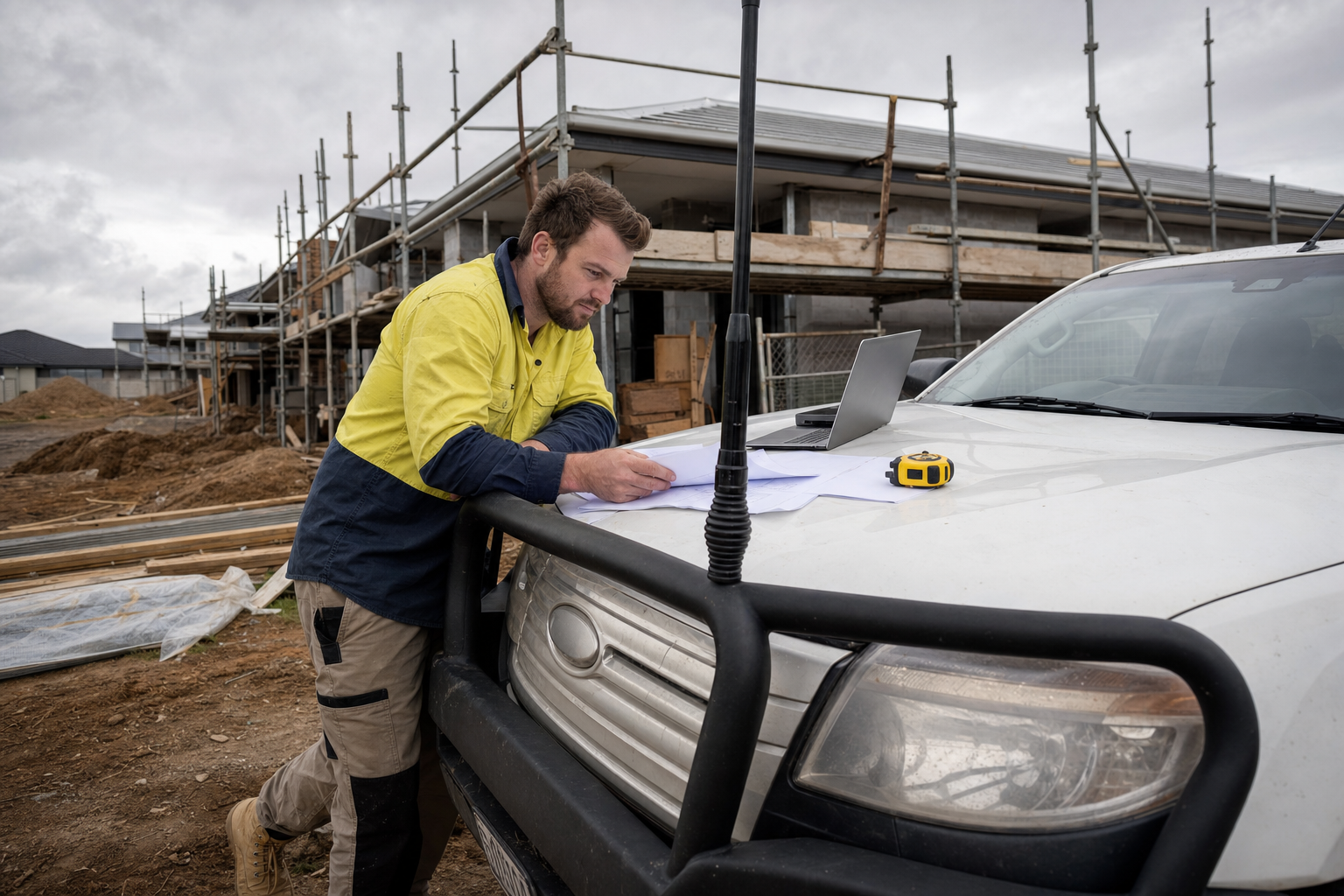
Planning equipment finance around real tradie cashflow is critical.
1. What tradie equipment finance actually is
Equipment finance is a business loan where the van, ute, trailer, excavator or major tools are the main security for the lender. Terms usually match the asset’s working life – commonly 3–7 years for vehicles and standard machinery (9). Many lenders will fund up to 100% of the purchase price for standard, re‑saleable assets where the business is established and profitable (15).
If you want a broader refresher on structures, tax and approval basics, read Understanding Business Equipment Finance in Australia Today alongside this tradie‑specific guide.
Common structures for tradies
Most tradies will see three main options:
- Chattel mortgage – you own the asset from day one; interest and depreciation are usually deductible.
- Commercial hire purchase – similar cashflow to a chattel; ownership transfers at the end.
- Finance lease – the lender owns the asset; you claim lease payments, then usually buy the asset at the residual.
Your accountant should drive the tax call; your broker should drive the cashflow and risk call.
2. Vans, tools and tech: what lenders like (and don’t)
Lenders love assets they can resell easily and hate gear that’s old, highly customised or hard to value.
Australian lenders commonly set a maximum total asset age at the end of the term, often 10–15 years for vehicles and standard machinery (3). That drives both how long you can borrow for and whether you can add a balloon.
New vs used vans and gear
Used equipment usually means lower maximum LVRs, shorter terms and higher pricing than comparable new gear because resale value and reliability are weaker (2). That matters a lot if you’re eyeing a cheap high‑kilometre van or second‑hand excavator.
| Asset type | Typical max LVR* | Typical term range | Lender comfort level |
|---|---|---|---|
| New electrician/ plumber van | Up to 100% | 5–7 years | Very comfortable |
| Near‑new used van (≤3 yrs) | 80–100% | 4–6 years | Generally good |
| Older ute (7–10 yrs by end) | 60–80% | 3–5 years | Cautious |
| Standard power tools package | 80–100% | 3–5 years | Good if branded |
| Highly specialised machinery | 50–80% | 3–5 years | Case‑by‑case (14) |
*Indicative only – actual policies vary by lender and your financials.
For a deeper dive on this trade‑off, see Financing New vs Used Equipment: What Australian Lenders Allow.
3. Cashflow first: how much can your business really afford?
Lenders assess equipment finance serviceability on business cashflow after expenses and owners’ drawings, not just turnover (7). You should do the same.
Worked example: new van for an electrician
- Purchase price (incl. GST): $60,000
- Structure: Chattel mortgage
- Term: 5 years (60 months)
- Interest rate: assume 8.5% p.a. (illustrative only)
- Balloon: 20% ($12,000) at end of term
Approximate monthly repayment (principal + interest): ~$980
Total paid over term: ~$70,800
Total interest cost (excluding balloon): ~$10,800
Then you must deal with the $12,000 balloon in year 5 – either by selling the van, refinancing, or paying cash. Balloons reduce monthly repayments but increase total interest and must be realistic compared to the asset’s end‑of‑term value (10).
Your rule of thumb: keep total equipment repayments comfortably under 15–20% of average monthly net trading surplus so you’ve got room for slow months, tax, and personal drawings.
4. Business finance vs using your home loan
Many tradies are tempted to redraw on their home loan or use personal credit cards to buy a van or tools. On paper the rate looks cheaper, but the risk is much higher.
Dedicated business facilities are generally better than using home loan redraws or personal credit cards for business expenses, because they protect the family home and clarify tax deductibility (5). Stand‑alone equipment finance over 3–7 years usually better matches asset life and preserves flexibility than rolling the cost into a 25–30 year home loan, even if the headline rate is higher (1).
Cross‑collateralisation – using your home to secure business loans – should be a conscious, justified decision, not the default (17). Where possible, ring‑fence equipment and business facilities within your trading entity to reduce concentration of risk on the principal residence (16).
For a broader look at how one person can coordinate home, business and equipment lending, see Should One Broker Handle Your Home, Business and Equipment Loans?.
5. Documentation pathways for self‑employed tradies
If you’re an electrician, plumber or contractor running your own ABN, the paperwork question is often the barrier.
Full‑doc vs alt‑doc equipment finance
- Full‑doc – 2 years financials, tax returns and notices of assessment. Cheapest pricing if your numbers are clean.
- Alt‑doc / low‑doc – uses BAS, business bank statements or an accountant declaration instead of full financials (6). Faster and more flexible, but usually higher pricing or lower maximum amounts.
If you’re also thinking about a home purchase or refinance, your documentation pathway needs to line up across both business and personal loans. Choosing the right documentation pathway for your next home loan explains how banks see self‑employed borrowers.
6. One-week action plan for tradies
Here’s how a busy tradie can get decision‑ready this week.
Day 1–2: Numbers and needs
- List what you actually need in the next 12–24 months: vans, tools, machinery, software, solar for the shed.
- Pull basic figures: last 12 months’ income, main expenses, current monthly loan repayments, and ATO position (lodged and paid up to date?).
Day 3–4: Quotes and structures
- Get two quotes for each major item – new vs used, or different brands.
- Ask your accountant which structure (chattel vs lease) suits your tax position.
- Decide if any items should be bought for cash to avoid over‑gearing.
Day 5–7: Finance strategy and pre‑approval
- Work with a broker who understands both tax and lending to:
- sanity‑check your borrowing capacity and cashflow;
- choose realistic terms and balloons;
- avoid unnecessary links to your home.
- Gather basic documents: ID, ABN/GST registration, 6–12 months bank statements, BAS or financials.
- Line up pre‑approval before you sign a vehicle or equipment contract.
The right structure lets vans and tools pay for themselves over time.
FAQs: equipment finance for electricians, plumbers and contractors
Can I get 100% finance for a new tradie van?
Often yes, if your business is established, profitable and the van is standard and easy to resell. Mainstream equipment finance lenders commonly fund up to 100% of the purchase price for standard, re‑saleable assets in these circumstances (15). Start‑ups or applicants with weak credit may be asked for a deposit or extra security.
Is it better to pay cash for tools instead of financing them?
Paying cash avoids interest, but it can drain working capital you need for wages, fuel, materials and tax. Financing larger tool packages over 3–5 years can make sense if the repayments are easily covered from extra jobs the gear enables. Very small or short‑life items are usually better bought outright.
Will equipment finance hurt my chances of getting a home loan?
It can, but it doesn’t have to. Lenders for home loans must test your ability to repay everything at your actual rate plus at least a 3% APRA buffer, so extra business debt tightens borrowing capacity. Clear structures, realistic repayments and good cashflow records help show that the business comfortably services its own equipment without relying on personal income.
How long can I finance a used ute or excavator?
Lenders usually work backwards from the maximum allowed age at the end of the term, often 10–15 years total for vehicles and standard machinery (3). An eight‑year‑old ute might only qualify for a 3–4 year term, possibly with a lower LVR. Expect tighter terms and pricing on older or high‑kilometre assets.
Should I use my home equity to buy a van for my trade?
Using home equity can give a lower rate, but it also puts your home further on the line and often stretches a 5–7 year asset over a 25–30 year loan. In most cases, ring‑fenced equipment finance is safer and cleaner for tax purposes (5). If you do use equity, keep the business‑purpose split separate and on a shorter repayment term.
Key takeaways
- Finance vans and major tools over 3–7 years to match working life and protect cashflow.
- Prefer stand‑alone equipment loans over dipping into your home loan or personal cards.
- Keep repayments within 15–20% of net trading surplus and set realistic balloons.
- Line up tax advice and a broker who understands both business and home lending before you sign.
Want a clear, numbers‑based view of what your trade business can safely borrow? Book a free 15‑minute equipment and home‑loan strategy call at /contact – one consultation covers your tax, your loan structure and your business cashflow.
General advice only.
Frequently asked questions
Talk to a CPA-certified broker
Free consultation, plain-English advice tailored to your situation.
