
Article
How To Finance Capital Works In High‑Density And Mixed‑Use Strata
Clear, decision-grade guide to financing major works in high‑rise and mixed‑use strata buildings, including options, lender red flags and what to do this week.
Key Takeaway
Financing capital works in high‑density and mixed‑use strata buildings usually involves a strata loan to the owners corporation, but lenders apply tighter criteria to short‑stay, student or heavily commercial buildings and often cap LVRs at 60–70%. Committees should define the works, model per‑lot levies under multiple funding options, and address building risk issues like cladding or low owner‑occupier ratios up front. The most actionable step is preparing a lender‑ready pack and engaging specialist advice before the next AGM or EGM vote.
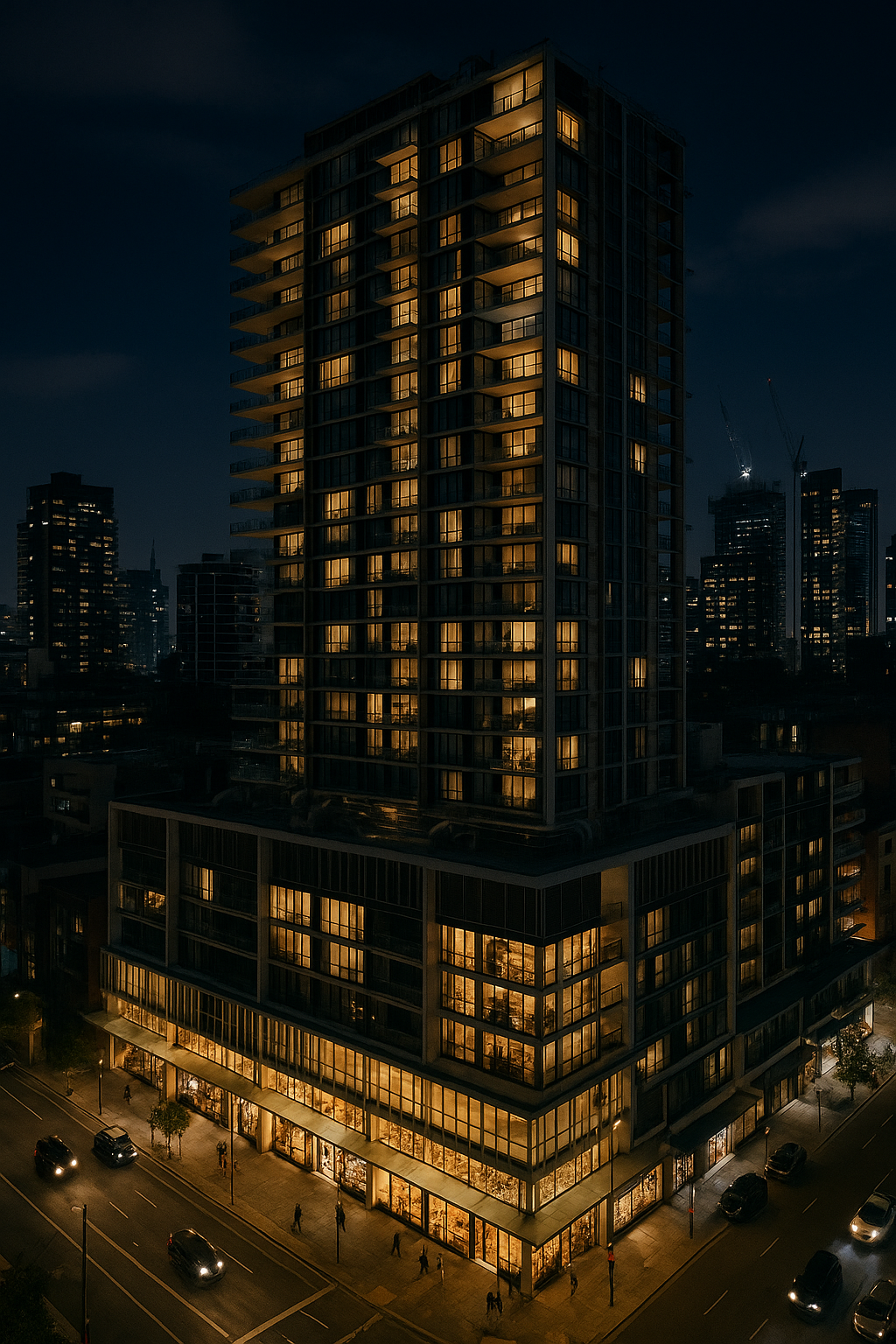
Financing capital works in high‑density and mixed‑use strata buildings means lining up a building‑level loan or levy plan that lenders will accept, owners can afford and that actually de‑risks the tower. You’re juggling building defects, tight cashflow and stricter bank rules. The key is to match the scale and urgency of works to the right mix of strata loans, levies and individual borrowing, then present a clean, realistic proposal.
Quick answer: In complex buildings, most major projects (cladding, lifts, common‑area upgrades) are funded via an owners‑corporation loan plus targeted special levies. Lenders scrutinise building use (short‑stay, student, mixed‑use), arrears, insurance and levy modelling far more heavily than in simple residential blocks.

1. What makes high‑density and mixed‑use finance different?
In high‑rise or mixed‑use schemes, lenders see more moving parts and more ways things can go wrong.
Common extra risk flags:
- 100+ lots, especially if heavily investor‑owned
- Short‑stay, serviced apartment or hotel‑style usage
- Student accommodation towers
- Retail, hospitality or office on lower levels
- Known defects (water ingress, fire safety, cladding)
These can mean:
- Fewer willing lenders
- Lower maximum LVRs (often 60–70% of approved works cost)
- Higher interest margins and stricter covenants
If you haven’t read it yet, pair this with the deeper overview of how strata loans work in general: /insights/how-strata-building-loans-actually-work-nsw-australia.
Worked example: high‑rise cladding project
- 180‑lot high‑rise, mixed resi/retail
- $9m cladding and fire‑safety project
- Lender offers 65% of project cost as a 12‑year strata loan at an indicative 8% (illustrative only), balance via levies
Rough numbers:
- Loan: $5.85m over 12 years → about $64,600/month
- For a 1.0% entitlement lot: ~$646/month loan levy
- Remaining $3.15m via three annual special levies → another ~$1,050/year for that lot
This is why clear per‑lot modelling is critical before you vote.
The strategy continues below
You've seen the problem and the groundwork — now unlock the exact steps our CPA-certified brokers use, including 4 more sections. Enter your email for instant, free full access.
Free access. No spam — unsubscribe anytime. Your details stay confidential.
Frequently asked questions
Talk to a CPA-certified broker
Free consultation, plain-English advice tailored to your situation.