
Loading the latest on mortgages, RBA & inflation…
Local Knowledge Finance

Article

How to Finance a Move into Key School Zones Around Rose Bay

A decision-grade guide to funding a move into key Rose Bay school zones, balancing price, borrowing capacity, tax and risk so your family can act confidently this week.

Published 18 July 2026Updated 18 July 20268 min read

Key Takeaway

To finance a move into key school zones around Rose Bay, buyers should first define target catchments, then test realistic borrowing capacity against actual sale prices and a 3% APRA serviceability buffer. With Eastern Suburbs housing stress rising and over 28% of Australian mortgage holders ‘At Risk’, structuring buffers via offsets and conservative repayment-to-income ratios is critical. A practical next step is a broker-led scenario review comparing buy-now, rent-then-buy and renovate options over a 5–10 year horizon.
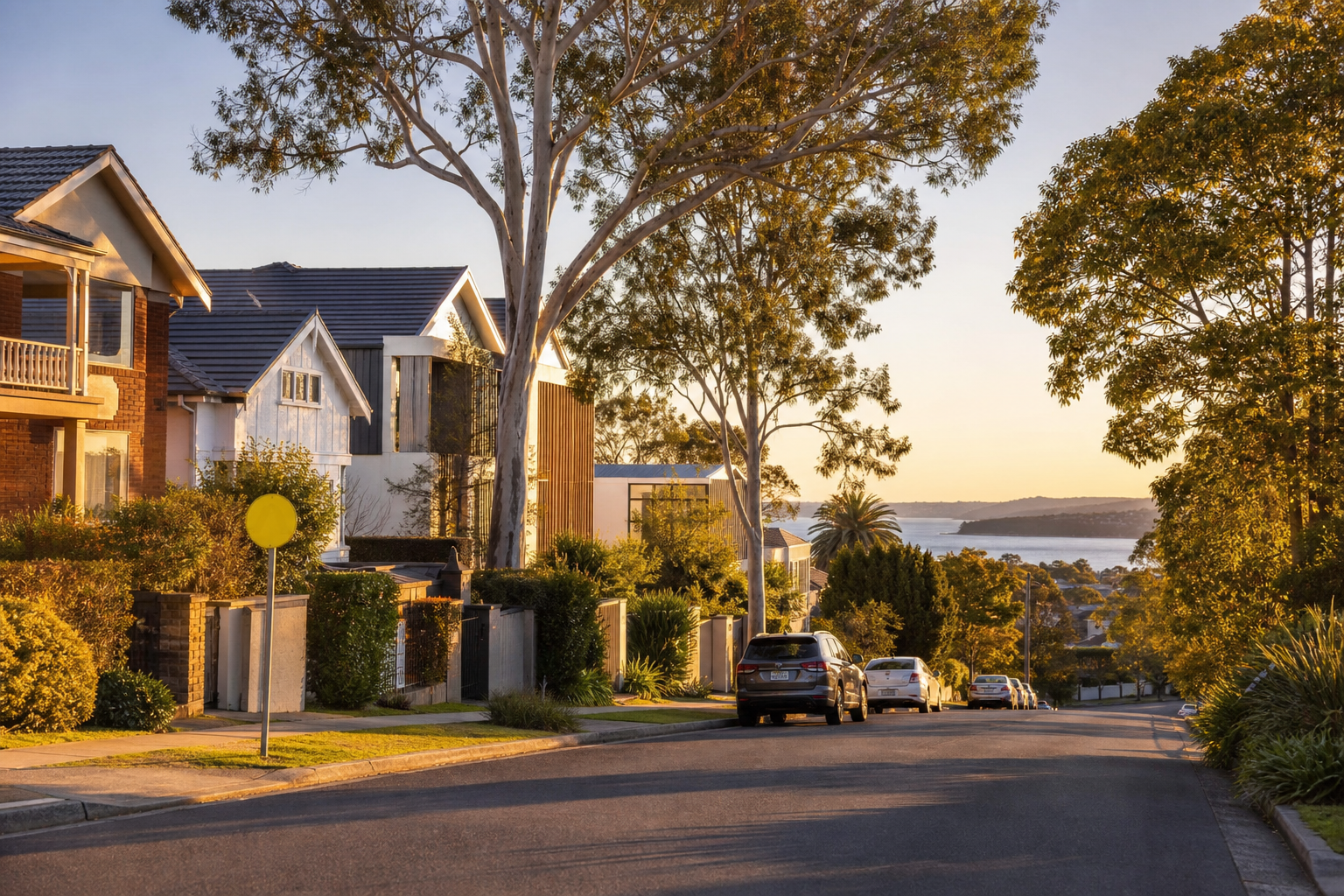
How to Finance a Move into Key School Zones Around Rose Bay

Moving into a key school zone around Rose Bay means matching the suburbs and streets you want with a loan you can safely afford, after stress-testing repayments and buffers against your real household numbers. The finance “win” is not just getting approved, but staying out of mortgage stress while you lock in the school and lifestyle you care about.

In this guide we’ll walk through what Rose Bay school‑zone buyers should spend, how banks will view you, and the main loan structures and timing options that actually work in this market.

Illustrated map showing Rose Bay school zones and nearby homes Clarify which school zones you care about before setting a property budget.

1. Start with schools and real Rose Bay prices, not the bank calculator

The first step is brutally simple: define the actual school zones or private school catchments you care about, then check what houses and family-sized apartments are really selling for there.

1.1 Map school catchments to price brackets

Around Rose Bay, families usually target some mix of:

  • Public catchments (e.g. Rose Bay Public, Vaucluse Public, Bellevue Hill Public)
  • High-demand private schools (e.g. around Kambala, Kincoppal–Rose Bay, Cranbrook, Scots, Reddam College)

Property within easy walking or practical commuting distance can sit 5–20% higher than similar homes outside the tightest “school walk” zones.

A quick working budget example:

  • Target home budget: $3,000,000 (semi or older freestanding)
  • 20% deposit + costs: roughly $700,000–$750,000 (including stamp duty and legals)
  • Loan needed: ~$2,300,000

On a 30‑year principal-and-interest loan at an indicative 6.0% p.a. (illustrative only):

  • Monthly repayment ≈ $13,788

APRA requires banks to test you at roughly 3% above the actual rate (so around 9.0%). Your assessed repayment would be closer to $18,500 per month, and your income needs to handle that.

If this already feels tight, you may need to slightly step back from the most premium streets, or consider a staged approach (buy a smaller home now, upgrade later). For a broader lifestyle lens across Rose Bay, see /insights/family-moves-schools-lifestyle-rose-bay.

1.2 Compare options: buy-in, renovate or move sideways

StrategyTypical price range*Finance featuresProsWatch-outs
Buy freestanding/semi in premium zone$3.0m–$5.0m+High loan size, tight buffersLong-term school + lifestyle solutionMortgage stress, overbidding at auction
Family apartment / townhouse near schools$2.0m–$3.2mLower loan, easier buffersWalking distance at lower costStrata, less space, harder teen years
Stay put and renovate$500k–$1.5m in worksConstruction/reno loan, valuations keyKeeps costs down, avoids stamp dutyStill outside preferred zone, build risk
Sideways move slightly out of Rose Bay$1.8m–$3.0mSimilar loan, different suburbMore space, lower price per sqmSchool commute complexity

*Indicative only. Always check current local results.

For a deeper dive into comparing upgrade vs renovate vs sideways moves, see /insights/planning-school-zone-lifestyle-moves-matching-finance-structures.

2. How lenders see you: families, self‑employed and investors

Your profession, income structure and existing properties all change what you can safely borrow for a school‑zone move.

2.1 PAYG families versus self‑employed owners

PAYG professionals with stable bonuses tend to get clearer, quicker approvals. Self‑employed buyers can absolutely get strong outcomes, but need to present income cleanly.

Lenders will usually:

  • Average 2 years of taxable income for self‑employed
  • Add back some non‑cash deductions, but not all
  • Heavily discount irregular bonuses or distributions

If your accountant has pushed your taxable income down for years, that can cap borrowing. It may be worth “borrowing ready” tax planning one to two years out. For detail, see /insights/self-employed-professionals-complex-income-borrowers-rose-bay.

2.2 Existing home owners: upgrade, keep or rent?

If you already own a property, the key questions are:

  1. Sell first or buy first (with or without a bridging loan)?
  2. Keep the old home as an investment, or sell to reduce debt?
  3. How will negative gearing reforms from 2026–27 change the maths?

The proposed Federal changes will quarantine many rental losses on established properties purchased after 12 May 2026. That makes highly geared, loss‑making investments in established stock less attractive and increases the importance of after‑tax cashflow when upgrading into a premium school zone.

Broadly:

  • High non‑deductible debt on the new family home should usually be paid down faster.
  • Investment loans need to stand up on post‑tax cashflow, not just deductions.

3. Structuring the loan for a school‑zone move

Good structure matters more than the last 0.05% on the rate, especially when you’re juggling kids, school fees and maybe a business.

3.1 Key structure decisions

  1. One loan or multiple splits?

    • Home (non‑deductible) versus investment (potentially deductible) should be kept separate.
    • Consider a separate split for any future renovations.
  2. Offset account versus redraw?

    • An offset gives flexibility and cleaner tax treatment if your home later becomes an investment.
    • Redraw can be fine for disciplined borrowers, but blurs deductible vs non‑deductible interest over time.
  3. Principal and interest versus interest‑only

    • For the family home, most borrowers should run principal and interest to steadily reduce risk.
    • Temporary interest‑only can help cashflow during a bridging or renovation period but needs clear exit dates.

3.2 Worked example: setting a safe repayment ceiling

Suppose a household has net income of $28,000 per month and is eyeing that $2.3m loan from earlier.

At a real rate of 6.0%, P&I repayments are around $13,788 per month.

  • Repayments as % of net income ≈ 49%

In high‑price suburbs like the Eastern Suburbs, anything above roughly 30–40% of net income becomes risky when you combine large single‑property exposure with auction overbidding and potential rate rises (see /insights/rose-bay-broker-valuers-auction-rhythms).

A safer target on that income might be:

  • 35% of net income = ~$9,800 per month
  • That points to a loan closer to $1.6m–$1.7m, not $2.3m

This is the uncomfortable but critical conversation: better to compromise slightly on the property now than end up forced‑selling mid‑school.

4. Timing: auction campaigns, bridging loans and lease overlaps

4.1 Nail your pre‑approval – and match it to real properties

For Rose Bay school‑zone moves, your pre‑approval must be fully credit assessed and matched to the type and price of property you’re targeting.

Avoid:

  • Automated or “instant” approvals with no document review
  • Bank letters that haven’t seen your actual tax returns or business financials

You want a pre‑approval that will stand up to:

  • A conservative bank valuation
  • The APRA 3% buffer on the real rate
  • A final credit review just before settlement

See /insights/rose-bay-auction-home-loan-pre-approval for a checklist before you go near a school‑zone auction.

4.2 Bridging versus sell‑then‑buy

In school‑zone moves, timing is often driven by when places open and when leases expire.

Sell‑then‑buy

  • Lower peak debt and risk
  • Clear view of budget once you know your sale price
  • But you may need a short‑term rental or be rushed buying into a tight school window

Buy‑then‑sell (with or without bridging)

  • Stronger control over school timing
  • Potentially higher risk if the old home takes longer to sell or sells under expectation
  • Lenders will model both loans at higher assessment rates and may assume no rent on the old place

Either way, build in:

  • At least 3–6 months of mortgage and living expenses in offset as a buffer
  • A plan B if the first choice school doesn’t work out (alternate school + home scenarios)

5. One‑week action plan for a Rose Bay school‑zone move

You don’t need all the answers this week. You do need clarity on direction.

Day 1–2: Define the school map

  • List your top 3 realistic school options (public and/or private).
  • Mark practical walk, bus and drive zones for each.
  • Pull recent actual sale prices for family‑sized homes in those pockets.

Day 3–4: Get your numbers bank‑ready

  • Gather last 2 years’ tax returns, payslips, financials and ATO portals.
  • List all existing loans, card limits and HECS/HELP.
  • Rough‑model repayments at today’s rates plus 2–3%.

Day 5–7: Pressure‑test scenarios with a broker

  • Compare: stay and renovate vs upgrade within Rose Bay vs move slightly out.
  • Run best‑ and worst‑case auctions and valuation outcomes.
  • Decide: maximum safe loan, target price band and whether to sell or keep existing property.

From there, fold your school‑zone move into a 5–10 year plan, not just this term’s enrolment. /insights/long-term-property-mortgage-planning-eastern-suburbs can help you zoom out to that longer view.

Family reviewing finance options for a Rose Bay school-zone move Stress-test repayments and buffers before bidding in key school zones.

FAQs: financing a move into Rose Bay school zones

How much extra do homes in key Rose Bay school zones cost?

It varies by street and school, but being in walking distance of a high‑demand public or private school can add roughly 5–20% compared with similar stock further away. The premium tends to be strongest for freestanding houses and larger semis. Always compare sold results, not just listing prices, when setting your budget.

Should I stretch my budget now to avoid a second move later?

Sometimes paying a bit more now can avoid two sets of stamp duty and moving costs. But stretching to the point where repayments exceed about 35–40% of net income, with minimal buffers, leaves you exposed to interest rate rises or income shocks. Model both paths: one bigger stretch move versus a modest step now and a later upgrade once income catches up.

Is it better to rent in the school zone and buy later?

Renting near the desired school can be a good interim tactic if buying there is out of reach or the timing is tight. The trade‑off is rising rents and the risk your savings don’t keep pace with capital growth. Some families buy a more affordable property slightly further out while renting in‑zone, but you need to be clear on tax and borrowing implications.

How do self‑employed parents prove income for a school‑zone loan?

You’ll usually need two years of business financials and personal tax returns, plus current BAS or management accounts if income is changing quickly. Banks often average those years and may adjust for one‑offs. A broker can help present your income in the way credit teams think, which is especially important with large Eastern Suburbs loans.

Will negative gearing changes kill the strategy of keeping my old home as an investment?

Not necessarily, but they increase the importance of cashflow and loan structure. Existing properties are expected to be largely grandfathered, while newer established purchases after 12 May 2026 face tighter loss rules. Before keeping a former home as an investment, check how the rent, interest and other costs look on a post‑reform, post‑tax basis.


Key takeaways

  • Define target schools, then match real recent sale prices to a safe borrowing limit – not just the bank’s maximum.
  • Aim to keep total home and investment repayments under roughly 30–35% of net income with 6–12 months’ expenses in offsets.
  • Structure loans with clean splits and offsets so you can adapt if your current home later becomes an investment.
  • Treat timing (auctions, school enrolments, sale vs buy first) as a financial decision, not just a logistical one.

Next step: Book a free 15‑minute strategy call at /contact to map your top two Rose Bay school‑zone options and test how far you can safely stretch – with your tax, your loan and your long‑term plan considered in one consultation.

General advice only.

Frequently asked questions

Homes within practical walking distance of high-demand Rose Bay schools often sell for around 5–20% more than similar properties further out. The premium varies by specific school, street and property type, and is usually strongest for freestanding homes and large semis. Always rely on recent settled sales, not just listings or guide prices, when setting your budget.
Stretching slightly can sometimes save you two sets of stamp duty and moving costs, but only if repayments and buffers still sit in a safe range. Once total repayments creep above about 35–40% of net income with small cash reserves, you become vulnerable to rate rises and income shocks. Work through both a stretch and a more conservative scenario before committing.
Renting in-zone can be a good interim move if buying there is out of reach or the timing is tight around enrolments. The trade-off is ongoing rent and the risk that prices rise faster than your savings. Some families buy a more affordable property elsewhere while renting near the school, but you need to understand the tax, borrowing and cashflow implications first.
Self-employed borrowers usually need at least two years of business financials and personal tax returns, plus BAS or management accounts in some cases. Lenders often average the last two years and may adjust for one-off items or declining income. Presenting your income clearly and choosing the right lender policy can materially change your usable borrowing power.

Talk to a CPA-certified broker

Free consultation, plain-English advice tailored to your situation.

Your details are kept confidential. We’ll never share them.