
Article
Funding a Second Location: One Coherent Plan for Fit-Outs and Gear
How to fund a second business location with one coherent plan that covers fit‑out, vehicles and equipment, without choking cashflow or risking the family home.
Key Takeaway
Financing a second business location is safest when fit-outs, vehicles and equipment are funded under one integrated plan but with separate, term-matched facilities for each asset class. Total repayments should usually sit within about 15–25% of conservative projected revenue, with at least 1.25–1.5x cashflow coverage. By mapping asset lives, lease terms and cash cycles, owners can select a mix of equipment loans, business loans and vehicle finance that supports expansion without over-leveraging the family home.

Opening a second location is usually best funded with one integrated plan that combines separate facilities for fit‑out, vehicles and equipment, each matched to asset life and lease term. Done well, this keeps total repayments within safe limits, protects your home and avoids paying for assets long after they stop earning.
In practice, that means: 1) mapping the full project cost, 2) grouping assets by lifespan and security, and 3) choosing the right mix of equipment loans, vehicle finance and business loans rather than one big, blended facility.
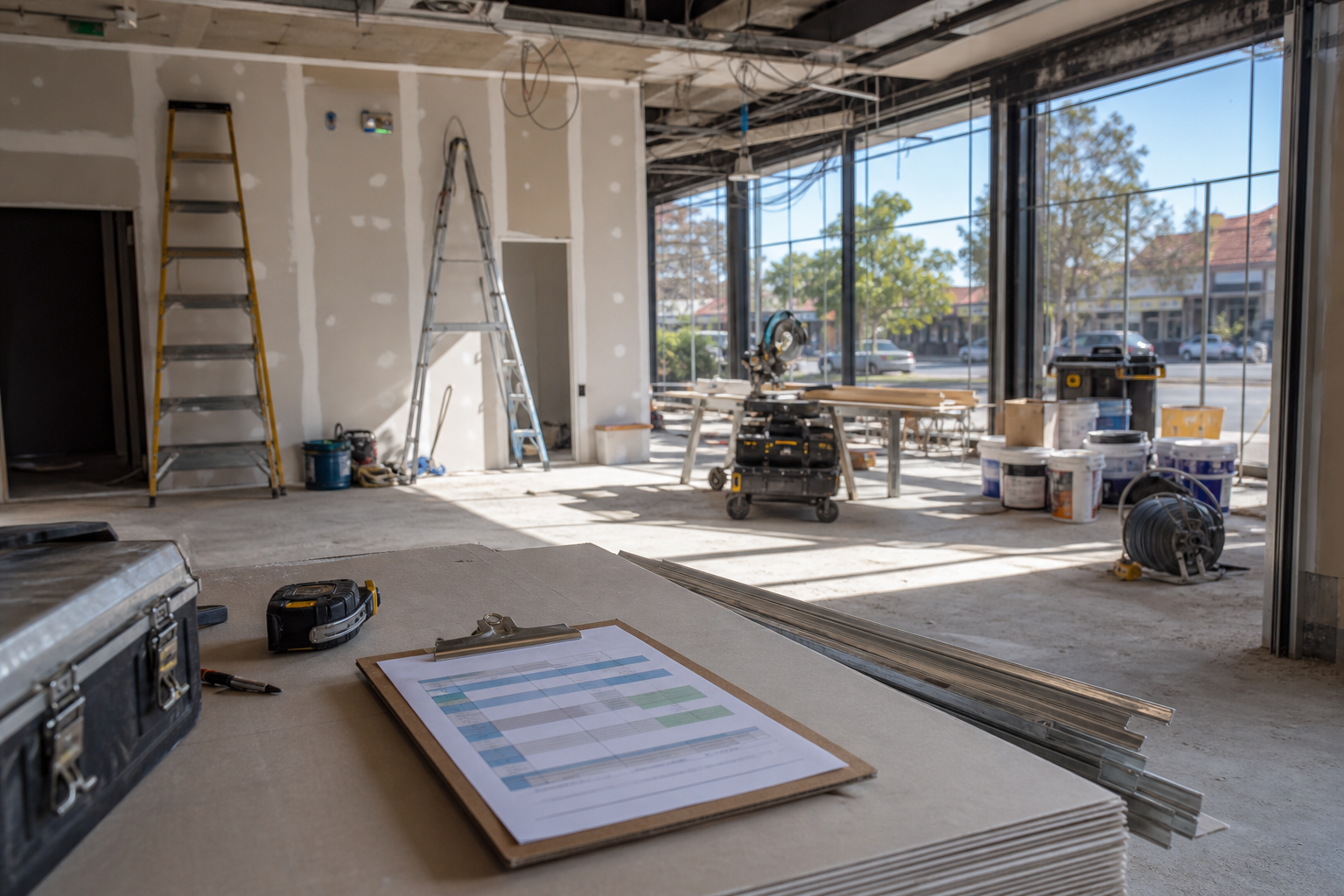
1. Start with the whole project, not separate quotes
Most owners start with a lease and a fit‑out quote, then bolt on vehicles and equipment late. That’s how you end up with messy facilities, over‑using personal security and straining cashflow.
Instead, treat the second site as one project.
1.1 Build a single expansion budget
List everything required to get doors open and trading:
- Lease costs: bond, rent in advance, make‑good obligations.
- Fit‑out: building works, joinery, signage, IT and cabling.
- Equipment: plant, POS, IT, tools, kitchen or medical gear.
- Vehicles: vans, utes, delivery cars, trailers.
- Soft costs: design fees, permits, marketing, initial stock.
Then split into three buckets (see also /insights/coordinating-equipment-vehicle-property-loans-local-cashflow-cycles):
- Movable, resaleable equipment and vehicles (3–7 year life).
- Leasehold improvements and fixed fit‑out (often 3–7 years but tied to lease).
- Working capital buffer for ramp‑up and surprises.
1.2 Set a repayment safety guardrail
A practical rule from lenders and our own work with clients:
- Keep total fit‑out + equipment + vehicle repayments within 15–25% of conservative projected revenue for the new site.
- Aim for at least 1.25–1.5x coverage from free cashflow after expenses and owners’ drawings.
This is similar to the ranges used in hospitality and logistics equipment lending and gives you room if revenue is slower than planned.
The strategy continues below
You've seen the problem and the groundwork — now unlock the exact steps our CPA-certified brokers use, including 5 more sections. Enter your email for instant, free full access.
Free access. No spam — unsubscribe anytime. Your details stay confidential.
Frequently asked questions
Talk to a CPA-certified broker
Free consultation, plain-English advice tailored to your situation.