
Article
Financing Utes, Vans and Work Cars: Structures That Won’t Choke Cashflow
How to choose between chattel mortgage, lease, hire purchase and business car loans for utes, vans and work cars — with clear tax, cashflow and risk trade‑offs for Australian small business owners.
Key Takeaway
Australian small business owners typically finance utes, vans and work cars best using a chattel mortgage or commercial hire purchase aligned to business use and vehicle life, rather than stretching costs into a home loan. With vehicles usually written off over 5–8 years for tax, matching loan terms to 3–5 years can reduce total interest and protect home equity. Owners should separate business and personal cashflows, avoid unnecessary cross‑collateralisation, and choose structures that keep repayments within realistic cashflow buffers.
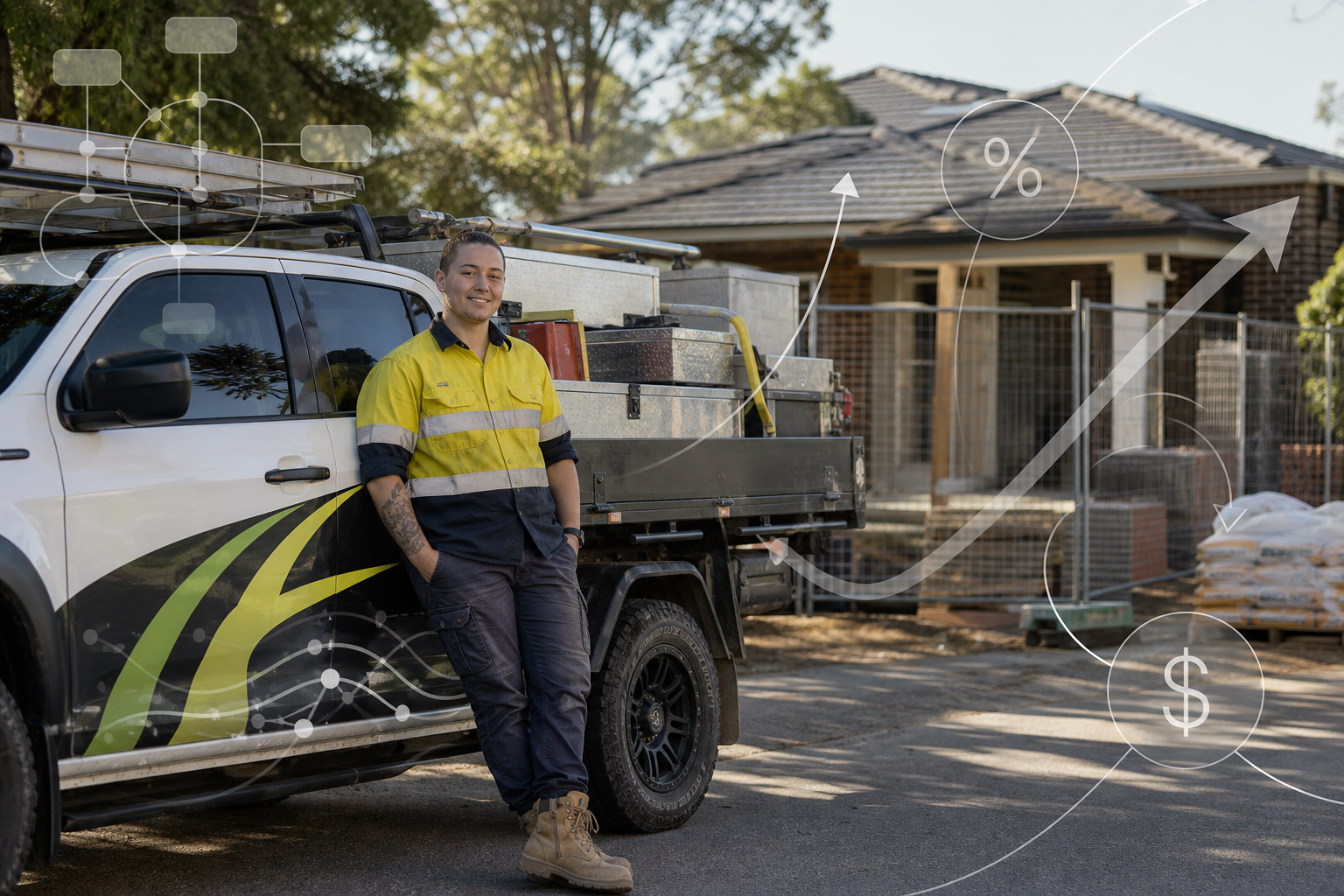
Financing a ute, van or work car is not just about getting a low rate. The smartest structure is usually a standalone business facility – often a chattel mortgage or similar – matched to the vehicle’s life and your cashflow, not your home loan.
Done well, your vehicle loan becomes a clean, tax‑efficient business cost that doesn’t drag your family home or borrowing power into every business decision.

1. The main ways to finance business vehicles
Common structures in Australia
For utes, vans and work cars, you’ll usually be choosing between:
- Chattel mortgage (often the default for SMEs)
- Commercial hire purchase
- Finance lease
- Novated lease (if you run payroll / have staff)
- Standard business car loan or unsecured facility
Here’s a high‑level comparison.
| Option | Typical term | Ownership at end | Balloon allowed | Suits who best |
|---|---|---|---|---|
| Chattel mortgage | 3–5 years | You from day one | Common | SMEs with ABN, want asset on balance sheet |
| Commercial hire purchase | 3–5 years | Transfers at end | Common | Similar to chattel, minor accounting diff. |
| Finance lease | 3–5 years | Usually via residual | Built‑in | Businesses wanting off‑balance‑sheet feel |
| Novated lease | 2–5 years | Employee at end (usually) | Built‑in | Owners paying themselves a salary |
| Unsecured business car loan | 1–5 years | You | Limited | Newer / smaller businesses, no security |
Indicative only. Exact tax treatment should be checked with your accountant or tax adviser.
Why chattel mortgage is so common
A chattel mortgage (or similar commercial loan) generally gives:
- Ownership from day one (you claim depreciation and running costs proportionate to business use).
- GST claimable upfront on the purchase price if you’re registered (subject to limits and timing).
- A fixed term, often 3–5 years, aligned to the economic life of the vehicle.
For most trades and small businesses, that combination is hard to beat.
2. Tax, cashflow and risk: what actually matters
Tax treatment: match loan to business use
The ATO cares about purpose and use, not just the name on the invoice. If a ute is 80% business use, only 80% of interest, depreciation and running costs will usually be deductible.
That’s why mixing personal and business borrowing in one home loan is messy. As we’ve argued in other guides, loan purpose – not security – drives deductibility, and mixed‑use home loans are harder to defend if the ATO asks questions (see /insights/using-offsets-redraws-small-business-owners).
Keeping the vehicle finance in a clean business facility makes:
- Tax claims simpler.
- Record‑keeping easier (one loan statement for one purpose).
- Future home loan applications clearer.
Cashflow: keep total repayments in a safe band
Roy Morgan data shows mortgage stress is already high, with over 30% of owner‑occupiers ‘At Risk’ when too much income goes to debt. Adding vehicle repayments on top of a stretched home loan can tip you into that zone.
Practical rules of thumb for a single‑vehicle business:
- Try to keep total vehicle repayments within 5–10% of consistent business revenue.
- For multi‑vehicle fleets, add them up and aim for 10–15% max, unless you’re a capital‑heavy operator.
If your cashflow is lumpy, you may need a structure that flexes around seasonal income. Our guide on structuring loans around cashflow walks through this in more detail: /insights/coordinating-equipment-vehicle-property-loans-local-cashflow-cycles.
Risk: protect the family home
A recurring theme across our work: avoid turning your home loan into business working capital.
Using redraw or equity to buy a ute often means:
- The debt term stretches to 25–30 years.
- You end up paying interest long after the ute has been sold.
- The business risk is now sitting on the family home.
This conflicts with a key principle we use elsewhere: matching loan term to business purpose usually reduces total interest and long‑run exposure (see /insights/using-home-equity-support-local-business-without-over-exposing-home).
Where possible, keep business vehicle finance:
- Standalone from the home loan.
- Secured by the vehicle itself, not your house.
- On a term that matches how long the vehicle will earn income.
The strategy continues below
You've seen the problem and the groundwork — now unlock the exact steps our CPA-certified brokers use, including 4 more sections. Enter your email for instant, free full access.
Free access. No spam — unsubscribe anytime. Your details stay confidential.
Frequently asked questions
Talk to a CPA-certified broker
Free consultation, plain-English advice tailored to your situation.