
Article
How to Fund a Big Equipment Upgrade Without Strangling Cashflow
A practical case study playbook for funding a major equipment upgrade, staging purchases, and restructuring loans so your cashflow stays safe while your business steps up.
Key Takeaway
This article explains how an Australian SME can fund a major equipment upgrade without killing cashflow by staging purchases, matching loan terms to asset life, and keeping total repayments within about 15–25% of stable revenue. Using a $600k machinery upgrade case study, it compares three funding structures, highlights the risks of rolling equipment into long-term property loans, and ends with a simple one-week action plan for restructuring existing finance and planning staged drawdowns.
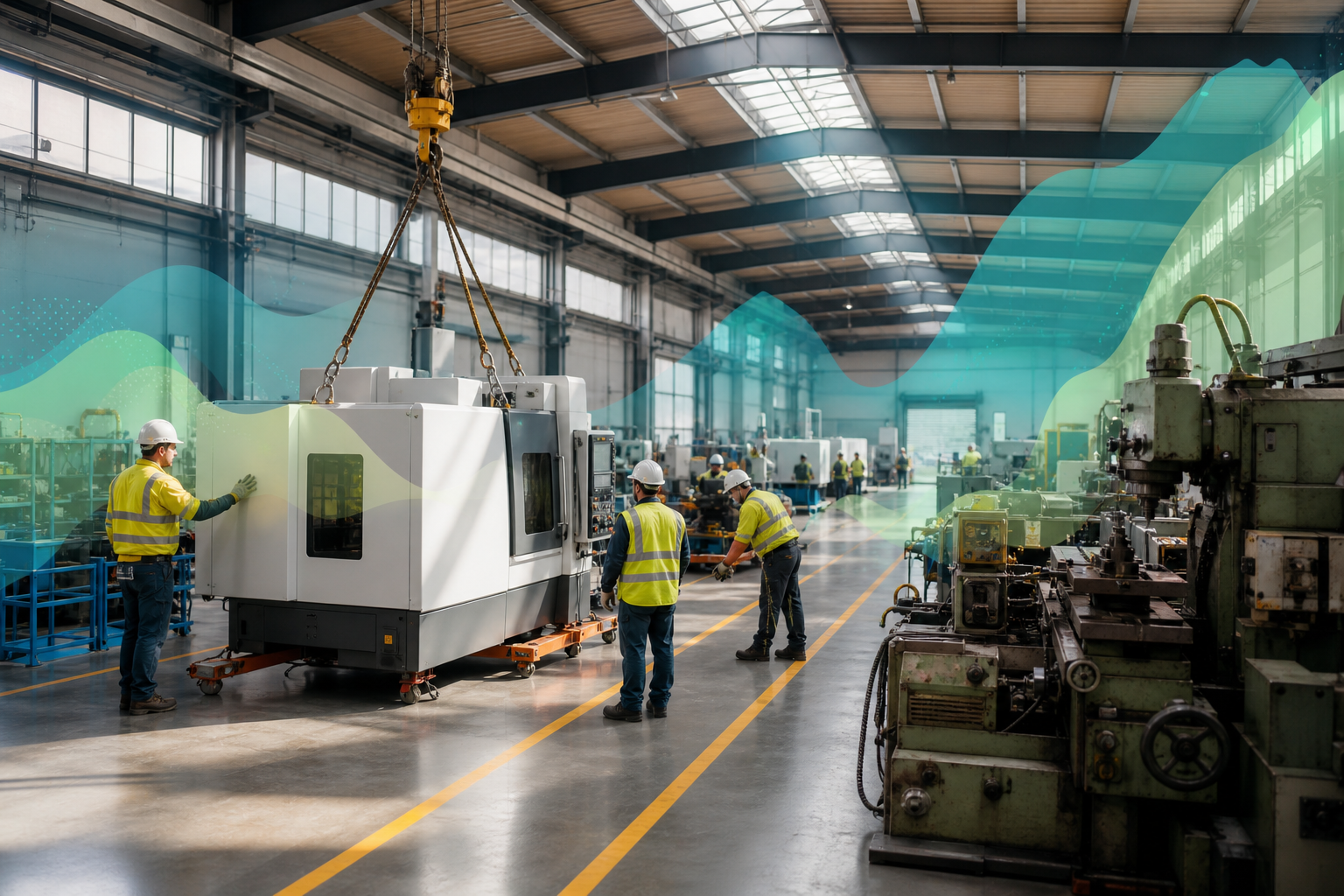
You fund a major equipment upgrade safely by (1) staging the purchases, (2) matching each loan term to the asset’s life, and (3) keeping total repayments within roughly 15–25% of stable revenue. That usually means a mix of equipment finance, short business loans and sometimes a refinance of older debt rather than one giant facility secured against your home.
The case: $600k upgrade, but cash is tight
Assume a manufacturing business with:
- Turnover: $4m a year
- Stable EBITDA / free cashflow after owner drawings: $650k
- Existing equipment loans: $220k, repayments $12k/month
- Planned upgrade: $600k of machinery (mix of long-life and tech items)
Safe guideline: total equipment and related loan repayments within ~15–25% of revenue or at least 1.25–1.5x covered by free cashflow after drawings (see /insights/small-business-qualify-equipment-finance-eligibility-checklist).
On $4m revenue, 25% is $1m a year (~$83k/month). With $650k free cashflow, we want minimum 1.3–1.5x cover after new repayments.
What most people are offered (and why it’s risky)
The common offer is: “Top up the business loan or home loan to cover the whole $600k.”
Example: $600k added to a 15‑year property-backed facility at, say, 7% p.a. principal and interest.
- Approx repayment: ~$5,400/month
- Total interest over 15 years: roughly $370k–$400k
- Risk: you’re still paying for short-life tech long after you’ve scrapped it, and you’ve increased concentration risk on the family home (see /insights/secured-vs-unsecured-equipment-loans-rates-risks-fit).
The monthly number looks gentle, but you’re trading long-term risk for short-term comfort.
A smarter structure: three buckets instead of one
Split the $600k based on asset life and resale value.
1. Core long-life machinery – $350k
- Useful life: 10–12 years, strong resale.
- Structure: 5‑year chattel mortgage or equipment loan.
- Illustrative repayment (7.5% p.a., 5 years, no balloon): ≈ $7,000/month.
2. Medium-life items and tech – $150k
- Life: 3–5 years (conveyors, control units, basic IT).
- Structure: 4‑year equipment loan, maybe 20–30% balloon.
- Illustrative repayment (8% p.a., 4 years, 25% balloon): ≈ $3,400/month.
3. Installation, software, training & one-off project costs – $100k
- Life: value mostly in the first 3–5 years.
- Structure: 3–4 year unsecured or partly-secured business loan.
- Illustrative repayment (11% p.a., 4 years): ≈ $2,600/month.
Totals vs capacity
New repayments:
- Bucket 1: ~$7,000
- Bucket 2: ~$3,400
- Bucket 3: ~$2,600
- Existing loans: $12,000
Total: ~$25,000/month or ~$300k/year.
On $4m turnover, that’s 7.5% of revenue.
On $650k free cashflow, cover is ~2.2x. That’s a comfortable buffer if volumes dip.
Compare this with rolling $600k into a 15‑year property loan: yes, the payment might be closer to $5,400/month, but you’re dragging short-life gear over a much longer term and locking more risk into the house (see /insights/aligning-business-equipment-commercial-property-residential-investments-post-reform).
The strategy continues below
You've seen the problem and the groundwork — now unlock the exact steps our CPA-certified brokers use, including 5 more sections. Enter your email for instant, free full access.
Free access. No spam — unsubscribe anytime. Your details stay confidential.
Frequently asked questions
Talk to a CPA-certified broker
Free consultation, plain-English advice tailored to your situation.