
Article
How To Protect Your Solar Investment, Insurance And Loan Together
Solar can cut your bills, but only if it keeps performing and is properly protected. Here’s how insurance, maintenance and warranties should work together with your loan so one hailstorm or fault doesn’t wreck your cashflow or refinancing plans.
Key Takeaway
Protecting a solar investment and related loan in Australia requires three things: declaring the system to your home or business insurer, planning regular maintenance, and understanding how panel, inverter and workmanship warranties really work. Hail, storm and electrical faults are among the most common solar claims, and underinsurance or non‑disclosure can void payouts. Borrowers should confirm cover in writing, budget $150–$300 per year for servicing, and avoid relying on optimistic performance warranties when sizing loans.
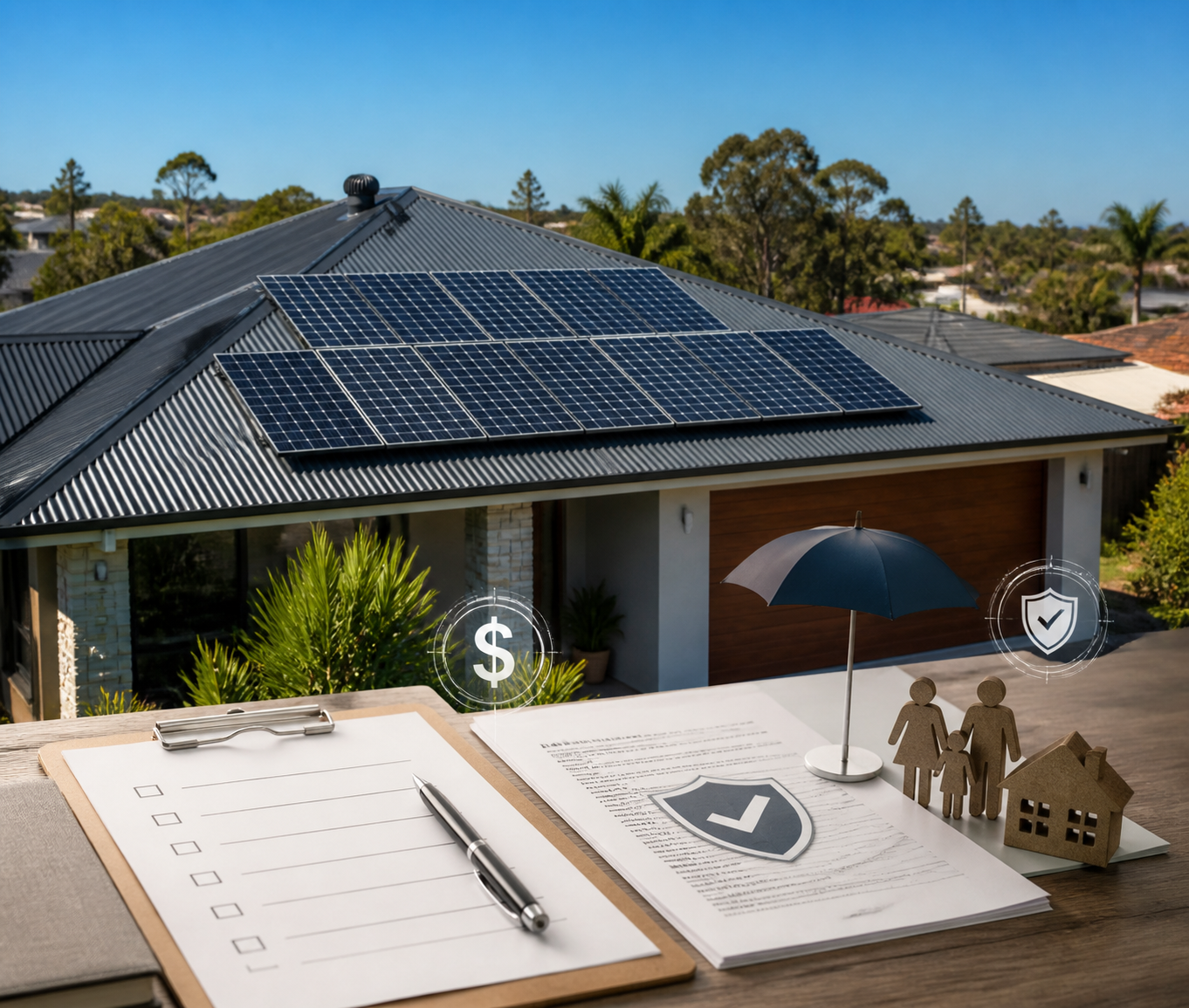
Solar only protects your wallet if it’s protected itself – with the right insurance, maintenance and realistic warranties that match your loan term.
If you’re borrowing for solar, you need to: 1) tell your insurer, 2) check what’s actually covered (and excluded), 3) plan maintenance, and 4) avoid over‑relying on glossy performance warranties when sizing the loan.
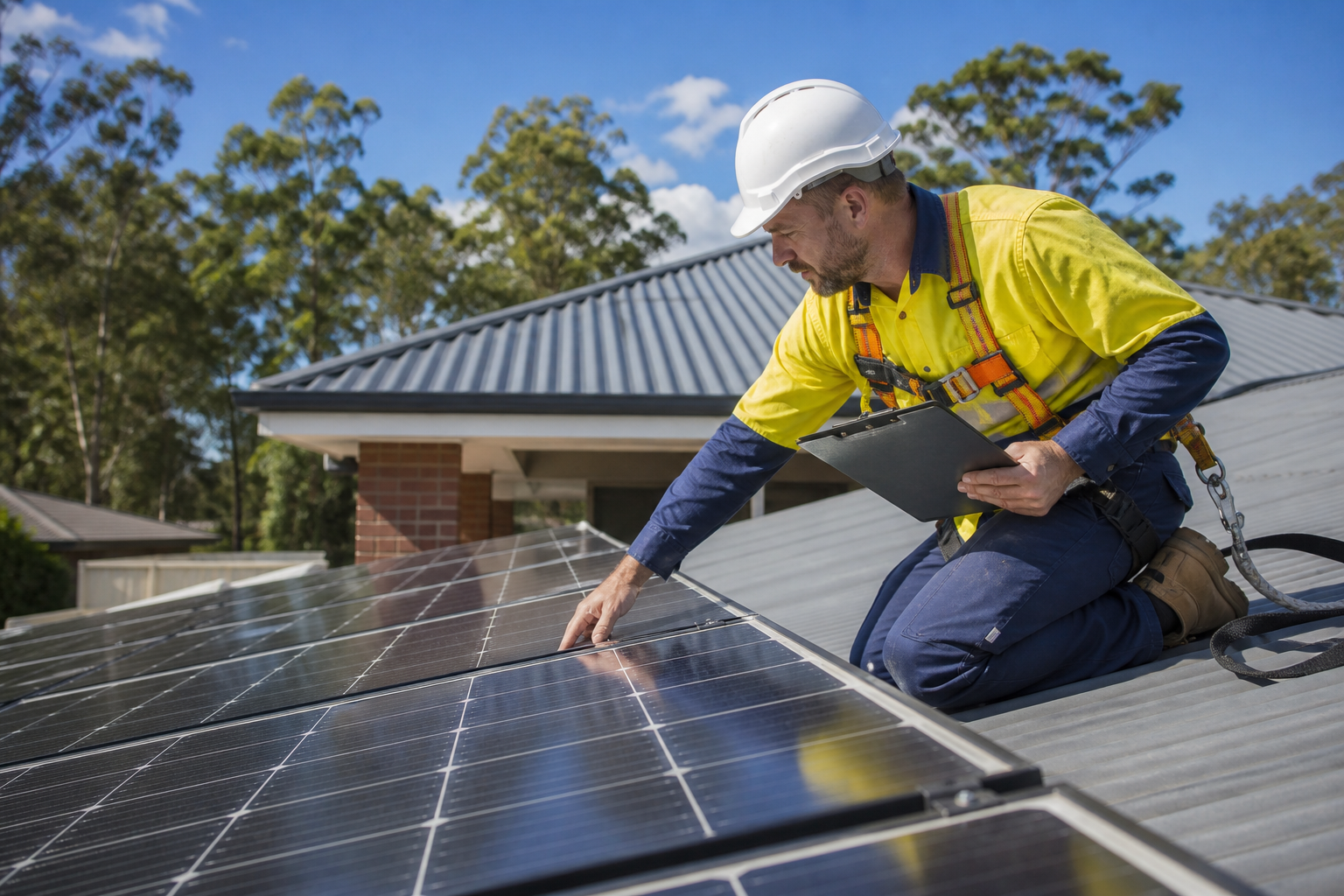
1. Insuring solar panels properly in Australia
Most Aussie home and commercial policies treat rooftop solar as part of the building.
That’s good – but only if the insurer knows it’s there and for how much.
What to tell your insurer
When you add solar, contact your insurer and confirm in writing:
- System type: panels only, or panels + battery + EV charger
- Total installed cost (e.g. $12,000 after rebates)
- Mounting: roof‑mounted vs ground‑mounted, tilt frames, carports
- Any business use (home office, Airbnb, small workshop)
If you don’t disclose a big upgrade, the insurer can argue underinsurance or non‑disclosure when you claim.
Typical cover vs common gaps
Most building policies will generally cover:
- Fire and storm damage (including hail and wind)
- Impact (falling trees, debris)
- Theft or malicious damage
But you often see exclusions or limits for:
- Gradual degradation or poor performance
- Wear and tear, rust or corrosion
- Faulty workmanship or defective materials
- Electrical surges beyond a limit, unless you add cover
Ask specifically: “Are my panels, inverter and mounts covered for hail and storm? Are there any limits or excesses specific to solar?”
If you’ve financed through a personal loan, BNPL or vendor finance, also check that replacing the system won’t exceed your sum insured. Underinsurance is a very real risk if you’ve recently upgraded your roof and solar together.
Want to double‑check the finance side before you sign? See how to spot traps in installer finance deals in /insights/red-flags-solar-finance-contracts.
The strategy continues below
You've seen the problem and the groundwork — now unlock the exact steps our CPA-certified brokers use, including 4 more sections. Enter your email for instant, free full access.
Free access. No spam — unsubscribe anytime. Your details stay confidential.
Frequently asked questions
Talk to a CPA-certified broker
Free consultation, plain-English advice tailored to your situation.