
Article
Do Kitchen and Bathroom Upgrades In Alexandria Apartments Impress The Bank?
Thinking about a kitchen or bathroom upgrade in an Alexandria high‑rise? This guide shows when banks and valuers actually give you credit for cosmetic renos – and when they don’t – so you can plan works, budgets and refinance timing with eyes wide open.
Key Takeaway
Kitchen and bathroom upgrades in Alexandria high‑rise apartments only increase bank valuations when they clearly improve the property compared with recent, similar local sales and are fully approved and documented. Lenders rely on valuers who benchmark against local transactions and often cap gains if works look over‑capitalised or unapproved. Owners should compare reno costs to likely value uplift, avoid outspending the building, and time valuations post‑completion to support refinancing or equity release.
This topic is covered in full on Tailored Loans Sydney
Thinking about a kitchen or bathroom upgrade in an Alexandria high‑rise? This guide shows when banks and valuers actually give you credit for cosmetic renos – and when they don’t – so you can plan works, budgets and refinance timing with eyes wide open.
Read the full guide on tailoredloans.sydneyThinking about upgrading your Alexandria apartment kitchen or bathroom and hoping the bank will pay for it in the valuation? In high‑rise buildings, banks only value cosmetic upgrades when they are clearly better than comparable recent sales, fully approved, and not obviously over‑capitalised for the block.
In other words: a smart, mid‑range renovation that lifts your unit above the pack can help a valuation. An over‑the‑top fit‑out in a standard building usually won’t.
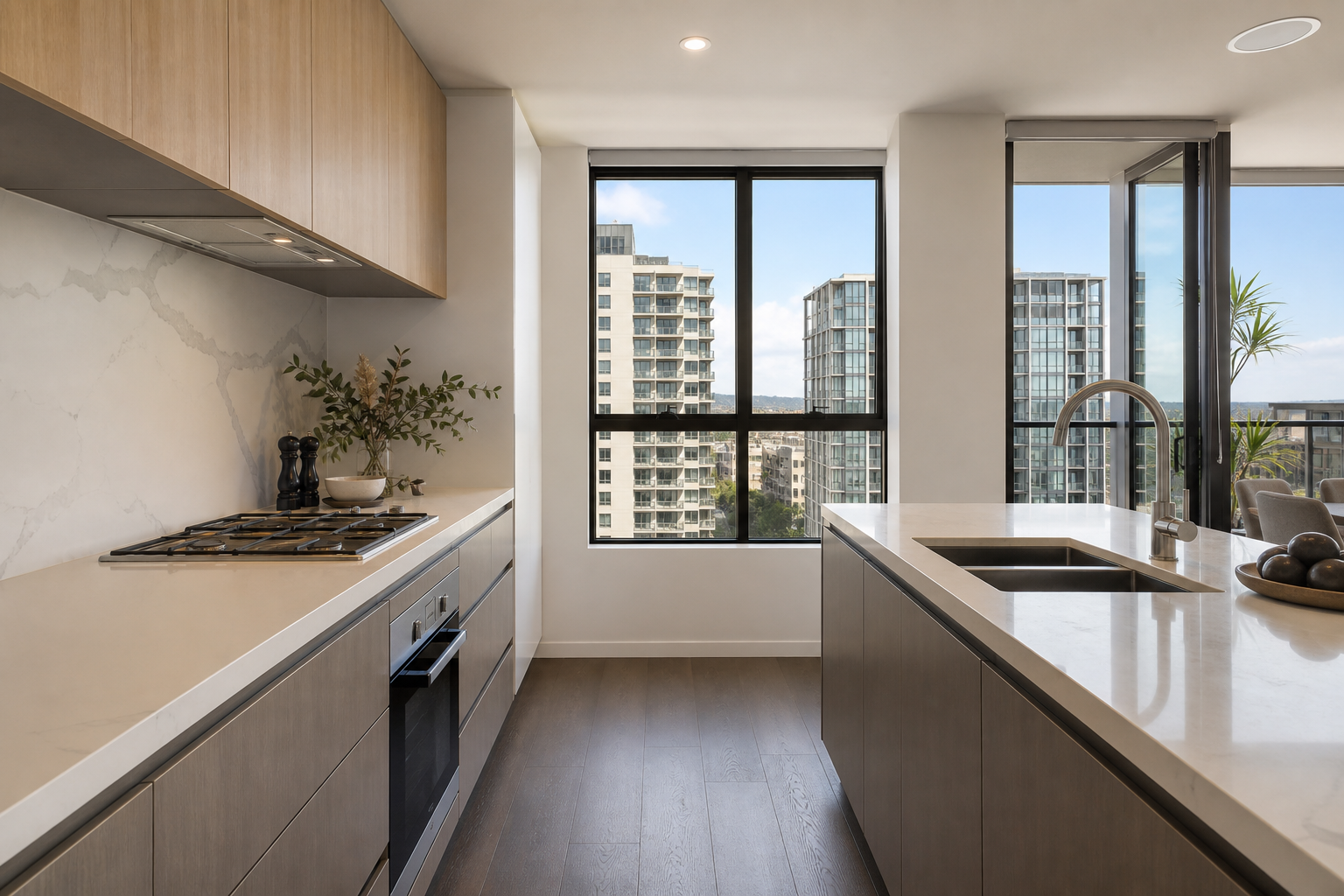
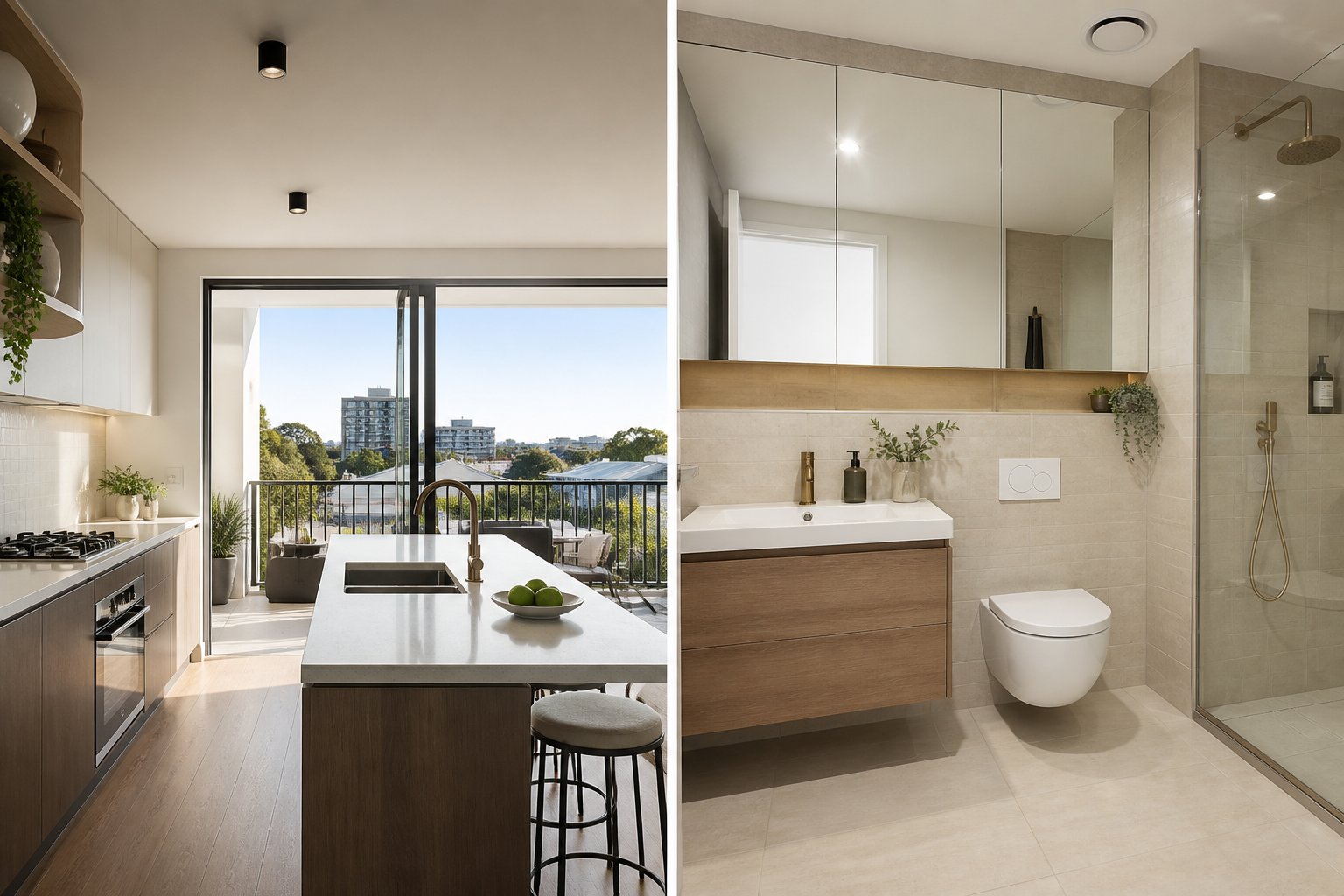
How bank valuers look at kitchen and bathroom upgrades
Bank valuers in Alexandria are comparing your unit against recent, similar sales in the same building or very close by. They care about three things more than your receipts:
- Comparable sales – What have similar renovated and unrenovated units actually sold for?
- Market segment – Is your building mainly first‑home buyers, investors, or prestige owner‑occupiers?
- Risk – Is the building high‑density or mixed‑use, which already makes lenders cautious? (See /insights/high-density-mixed-use-alexandria-green-square-lending-rules).
If your new kitchen and bathroom simply drag a tired 2005‑era fit‑out up to today’s standard, the valuer may see that as maintenance, not extra value.
Typical value recognition bands
| Scenario (high‑rise Alexandria) | Spend (indicative) | Likely bank value recognition* |
|---|---|---|
| Basic update (appliances, paint, tapware) | $10k–$20k | Often treated as maintenance; $0–$5k uplift |
| Mid‑range full kitchen + bathroom refresh | $35k–$60k | Maybe 30–70% of cost if above local norm |
| High‑end fit‑out in mid‑market building | $70k–$120k | Often capped by local sale benchmarks |
| High‑end fit‑out in genuine premium building | $70k–$120k+ | Better recognition if buyers pay for it |
*Indicative only. Actual valuations depend on sales evidence and the building.
For a deeper dive on how valuers think about renovations and over‑capitalisation, see /insights/how-local-valuers-think-suburb-benchmarks-overcapitalisation-contract-gaps.
Worked example: cosmetic reno vs bank valuation in Alexandria
Say you own a standard two‑bed apartment in a high‑rise on Wyndham Street.
- Current bank valuation: $850,000
- Loan: $680,000 (80% LVR)
- You spend $50,000 on a new kitchen, bathroom and flooring.
Recent sales show:
- Unrenovated two‑beds selling around $830,000–$860,000
- Nicely renovated two‑beds selling around $880,000–$900,000
After works, a valuer may land around $890,000 if the finish is comparable to the better sales.
- New valuation (illustrative): $890,000
- Implied uplift: $40,000
- Bank‑recognised uplift vs spend: 80% in this optimistic scenario.
Your usable equity at 80% LVR becomes:
- 80% of $890,000 = $712,000
- Less loan $680,000 = $32,000 potential equity.
You’ve still improved liveability and future sale appeal, but the bank has recognised less than your actual spend. If the valuer is conservative, you might see only a $20,000–$30,000 uplift.
The strategy continues below
You've seen the problem and the groundwork — now unlock the exact steps our CPA-certified brokers use, including 5 more sections. Enter your email for instant, free full access.
Free access. No spam — unsubscribe anytime. Your details stay confidential.
Frequently asked questions
Talk to a CPA-certified broker
Free consultation, plain-English advice tailored to your situation.