
Article
Mascot Apartments: When a Local Broker and Valuer Knowledge Really Matters
Mascot apartments can live or die on valuation and building risk. Here’s when a broker who knows local buildings, valuers and bank policy can save your deal, your deposit and your long‑term cashflow.
Key Takeaway
Using a broker who knows Mascot buildings and bank panel valuers matters most when buying or refinancing apartments that risk valuation issues, building defects, or postcode shading. Mascot has a high concentration of high‑rise stock and past defect concerns, so some lenders apply stricter LVRs or conservative valuations, which can create funding gaps of tens of thousands of dollars. A locally informed broker can triage lenders, pre‑test valuations, and structure buffers so buyers can commit to contracts with clearer, safer finance outcomes.
This topic is covered in full on Tailored Loans Sydney
Mascot apartments can live or die on valuation and building risk. Here’s when a broker who knows local buildings, valuers and bank policy can save your deal, your deposit and your long‑term cashflow.
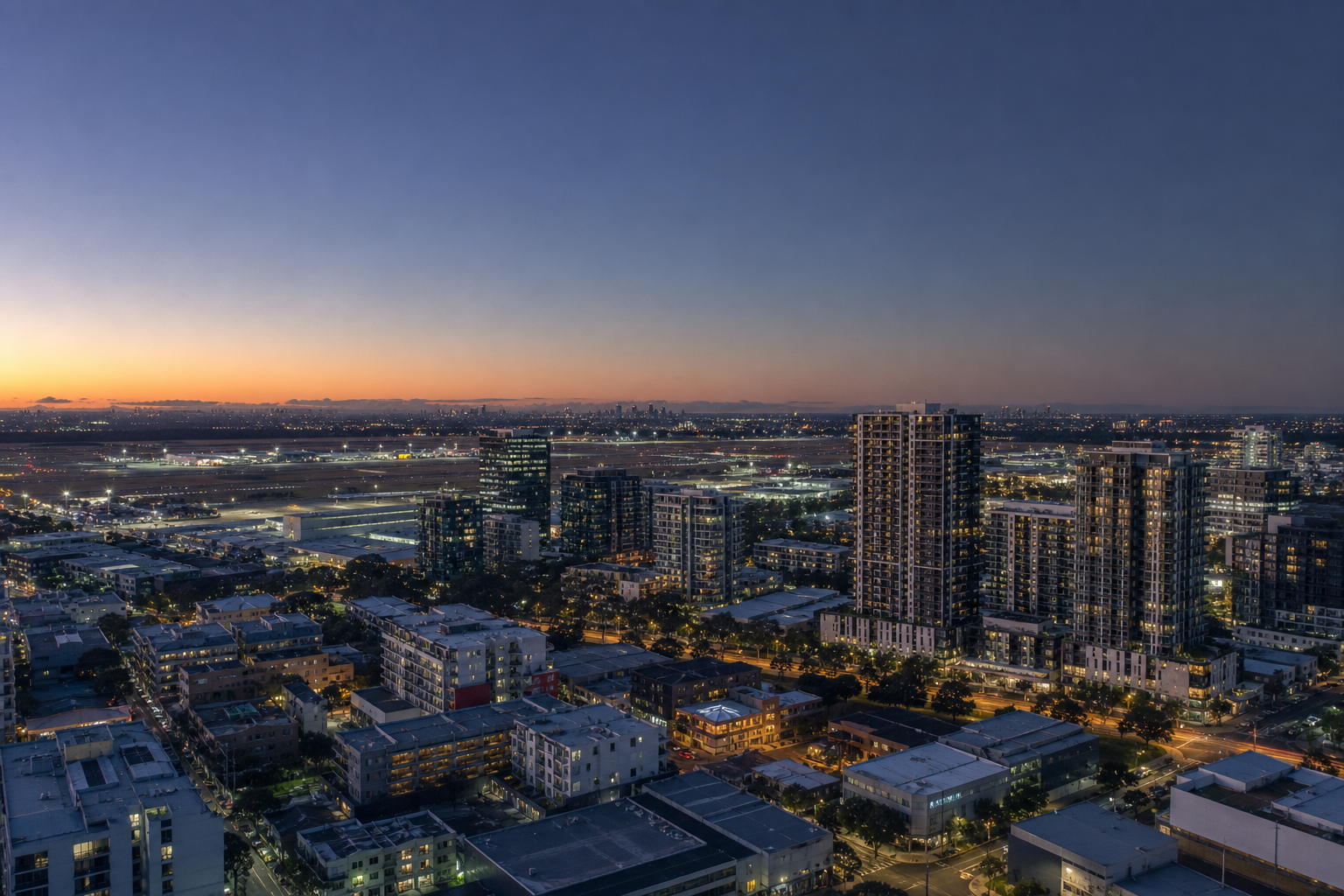
Read the full guide on tailoredloans.sydneyFor Mascot units, it pays to use a broker who knows the buildings and valuers whenever the apartment is in a complex, high‑rise or defect‑sensitive block where valuation and bank policy can make or break your loan. Mascot is a postcode where some lenders shade values, cap loan‑to‑value ratios (LVRs) or decline certain buildings altogether, so local knowledge can literally save your deposit and the deal.
In Mascot, the property, the building, and the valuer your bank picks all interact. A broker who knows which lenders are nervous about specific buildings, and which valuers have a track record in the area, can often prevent last‑minute shortfalls or outright declines.
Why Mascot buildings are different in the eyes of banks
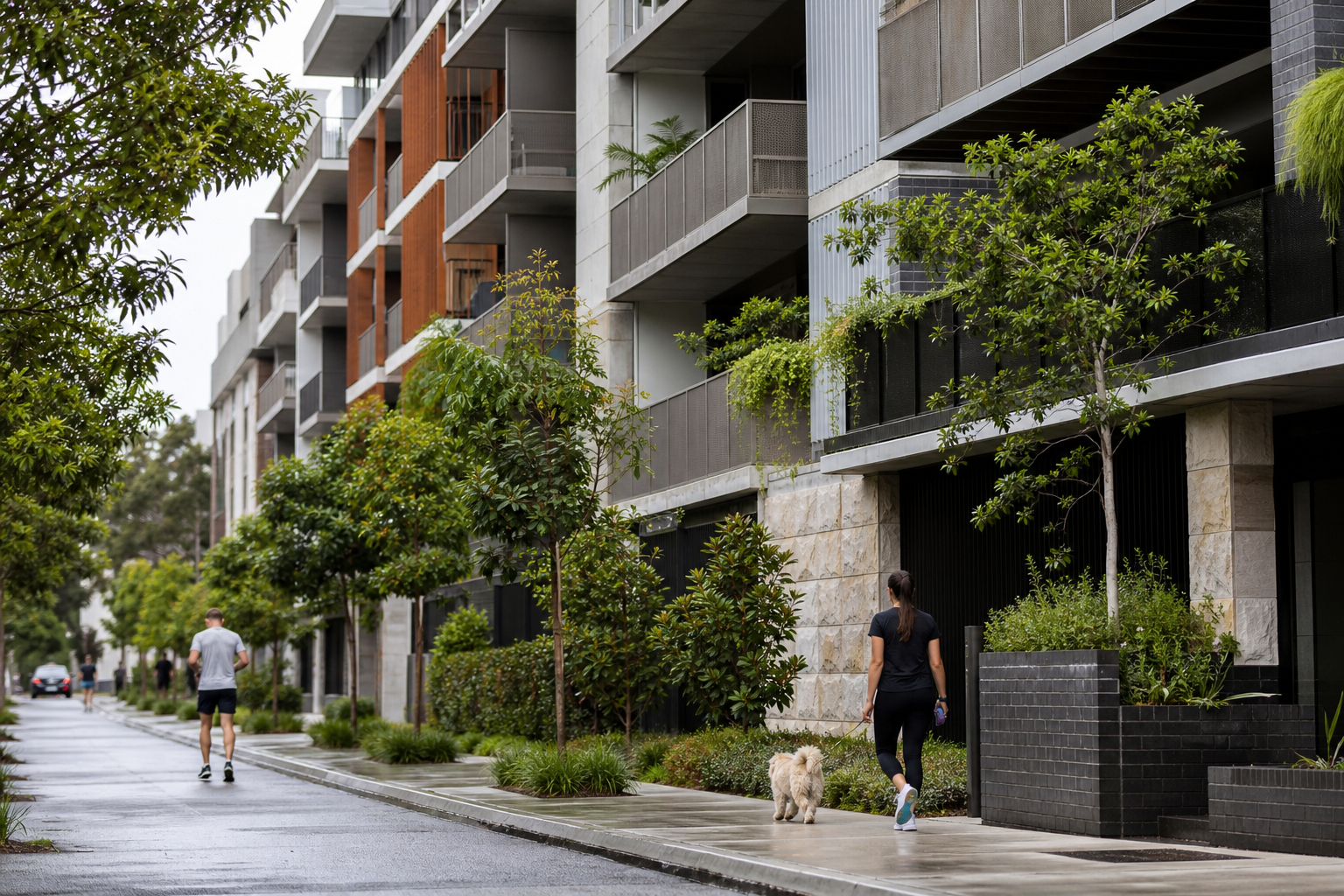
Mascot isn’t a generic apartment market. It has:
- Lots of high‑density, similar‑looking stock.
- Well‑publicised defect issues in some Sydney towers.
- Pockets with aircraft noise and busy‑road exposure.
Banks and their panel valuers know this. In some Mascot buildings, they respond with:
- Lower LVR limits (for example, 80% instead of the 90–95% you might get elsewhere).
- More conservative valuations compared with recent sale prices.
- Extra questions or outright blacklisting where defect history is unclear or major.
A broker who works Mascot daily will have a live sense of which buildings are routinely fine, which are “grey zone”, and which are almost always trouble.
Typical Mascot valuation problems
Common valuation issues a local broker tries to pre‑empt:
- Down‑valuations versus the contract price.
- Delayed valuations because the valuer requests extra building information.
- Postcode shading, where the lender applies more conservative assumptions due to perceived oversupply risk.
- Special conditions: lower LVR, no interest‑only, or higher assessment rates.
If you’re chasing a fast, off‑market deal, these delays and adjustments can be fatal. That’s exactly the risk discussed in Five Finance Traps Mascot Buyers Hit In Quiet, Fast Deals.
The strategy continues below
You've seen the problem and the groundwork — now unlock the exact steps our CPA-certified brokers use, including 5 more sections. Enter your email for instant, free full access.
Free access. No spam — unsubscribe anytime. Your details stay confidential.
Frequently asked questions
Talk to a CPA-certified broker
Free consultation, plain-English advice tailored to your situation.