
Article
Mascot high‑density and mixed‑use buildings: lending red flags explained
Buying or refinancing in a Mascot high‑rise or mixed‑use block? Here’s exactly what banks double‑check – from building density and investor ratios to commercial use and defect history – and how to structure your loan so policy quirks don’t derail your plans this week.
Key Takeaway
Lenders scrutinise high‑density and mixed‑use Mascot buildings more harshly by capping LVRs, tightening valuations, and double‑checking investor ratios, building defects and commercial exposure. Many banks flag Mascot as a postcode risk area, meaning some borrowers may need 20–30% deposits rather than standard 10%. Choosing a lender whose policy fits your specific building and stress‑testing repayments 2–3% above current rates lets buyers and refinancers act this week without breaching bank rules or cashflow limits.
This topic is covered in full on Tailored Loans Sydney
Buying or refinancing in a Mascot high‑rise or mixed‑use block? Here’s exactly what banks double‑check – from building density and investor ratios to commercial use and defect history – and how to structure your loan so policy quirks don’t derail your plans this week.
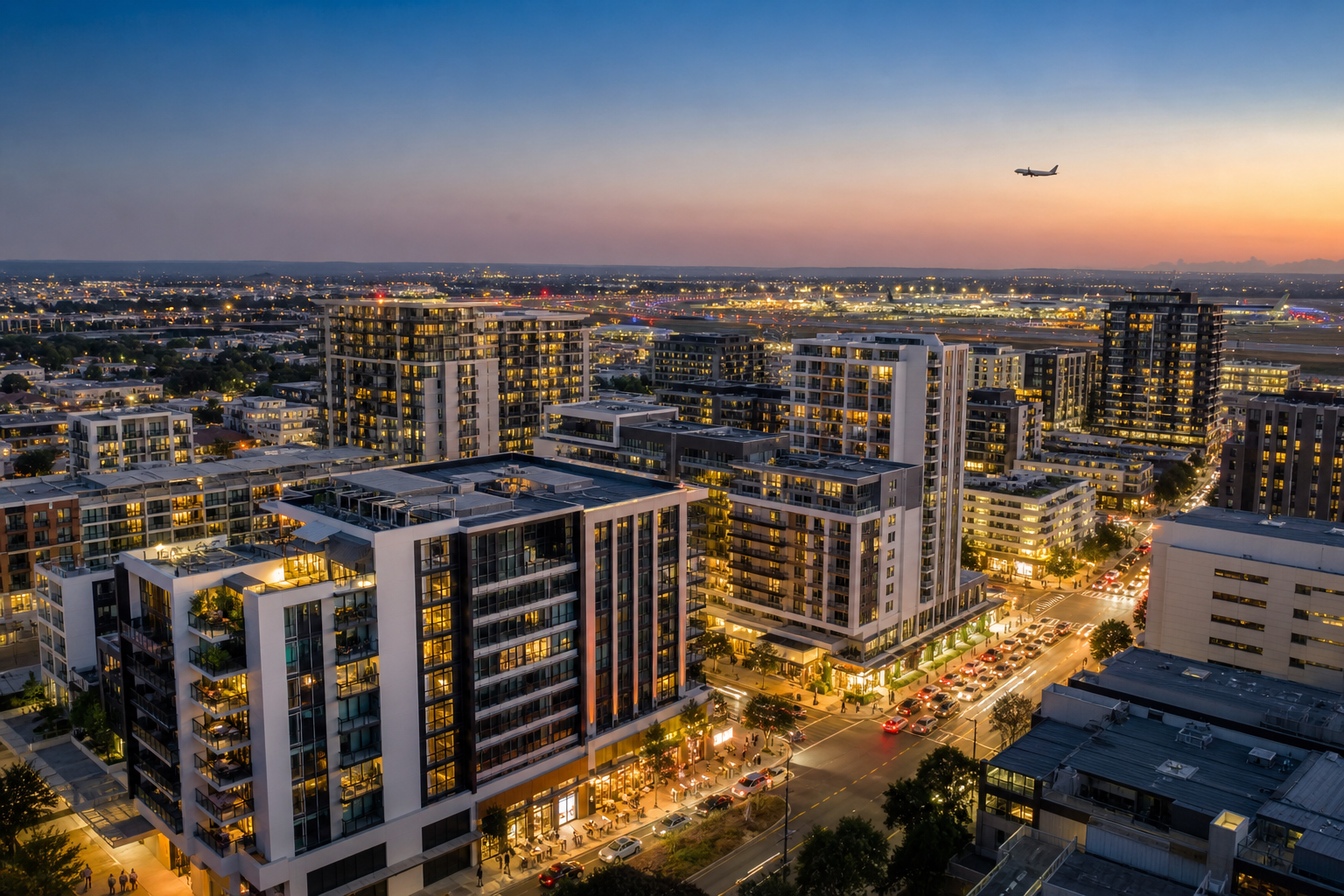
Read the full guide on tailoredloans.sydneyIf you’re buying or refinancing in a high‑density or mixed‑use Mascot building, expect stricter bank rules than for a freestanding house. Many lenders put parts of Mascot on “high‑density” or “postcode risk” lists, which can mean lower maximum LVRs, tougher valuations and extra checks on building quality, investor ratios and commercial use before they approve your loan.
In practice, this can change your required deposit by tens of thousands and determine whether your refinance or pre‑approval actually holds up at valuation. The aim is not to scare you away from Mascot, but to help you walk in with eyes open and a plan you can execute this week.
1. What “high‑density” and “mixed‑use” mean to banks in Mascot
1.1 High‑density Mascot apartment flags
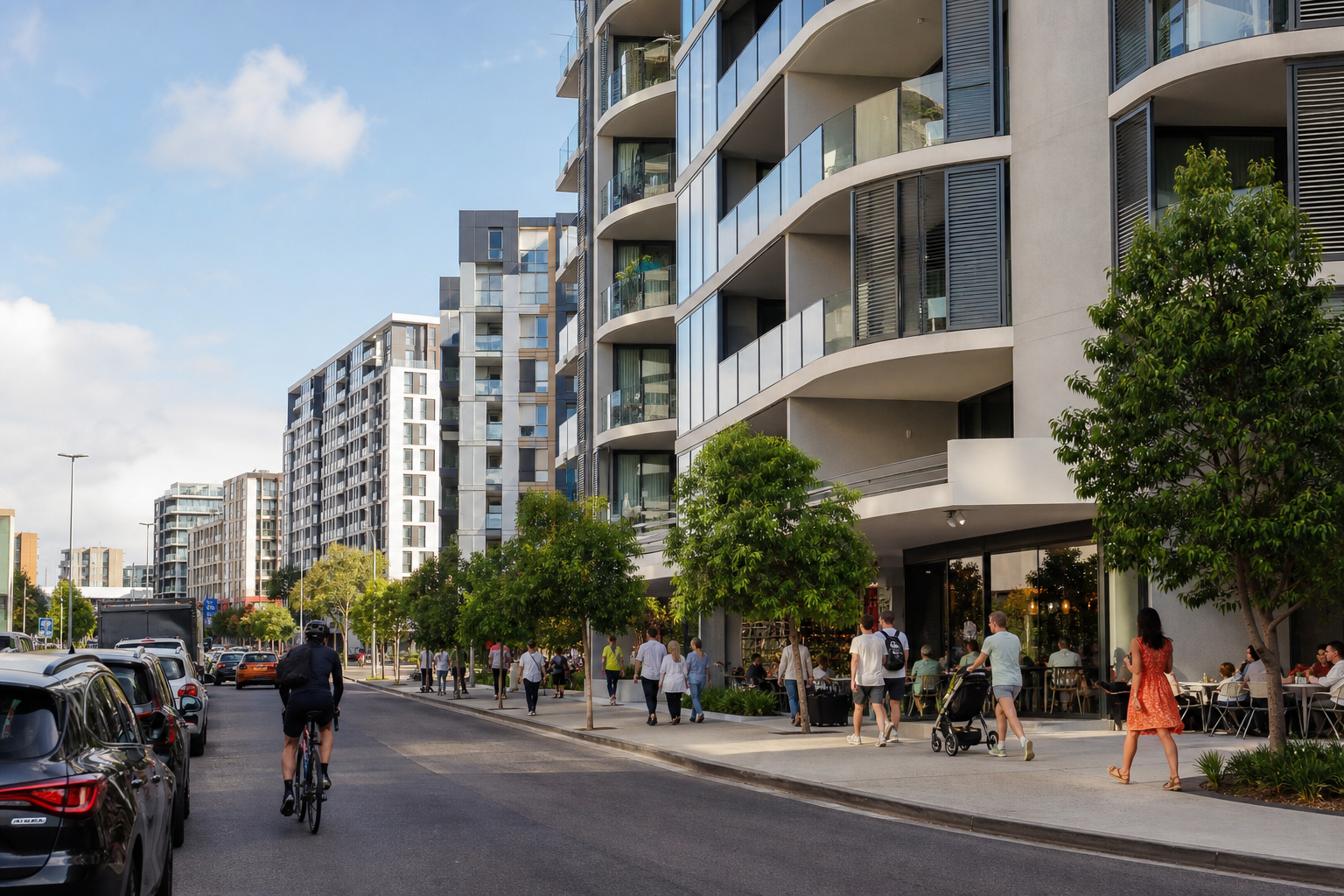
For lenders, Mascot high‑density usually means:
- Large complexes (often 50+ units, sometimes several hundred)
- Multiple towers on one strata plan
- Lots of near‑identical investor‑grade stock
As outlined in /insights/green-square-mascot-property-types-vs-harbourside-lender-rules, these buildings rarely get the same treatment as a harbourside house. Key Mascot‑specific flags lenders check twice:
- Postcode risk status – some banks treat parts of 2020 as “soft market” or “concentrated unit supply”.
- Building size and stage – very large, recently completed towers often cop tougher LVR caps.
- Unit size – studios or sub‑50 m² one‑beds can be restricted or unacceptable to some lenders.
- Investor vs owner‑occupier ratio – high investor concentration can reduce appetite.
1.2 Mixed‑use: when shops downstairs change your loan
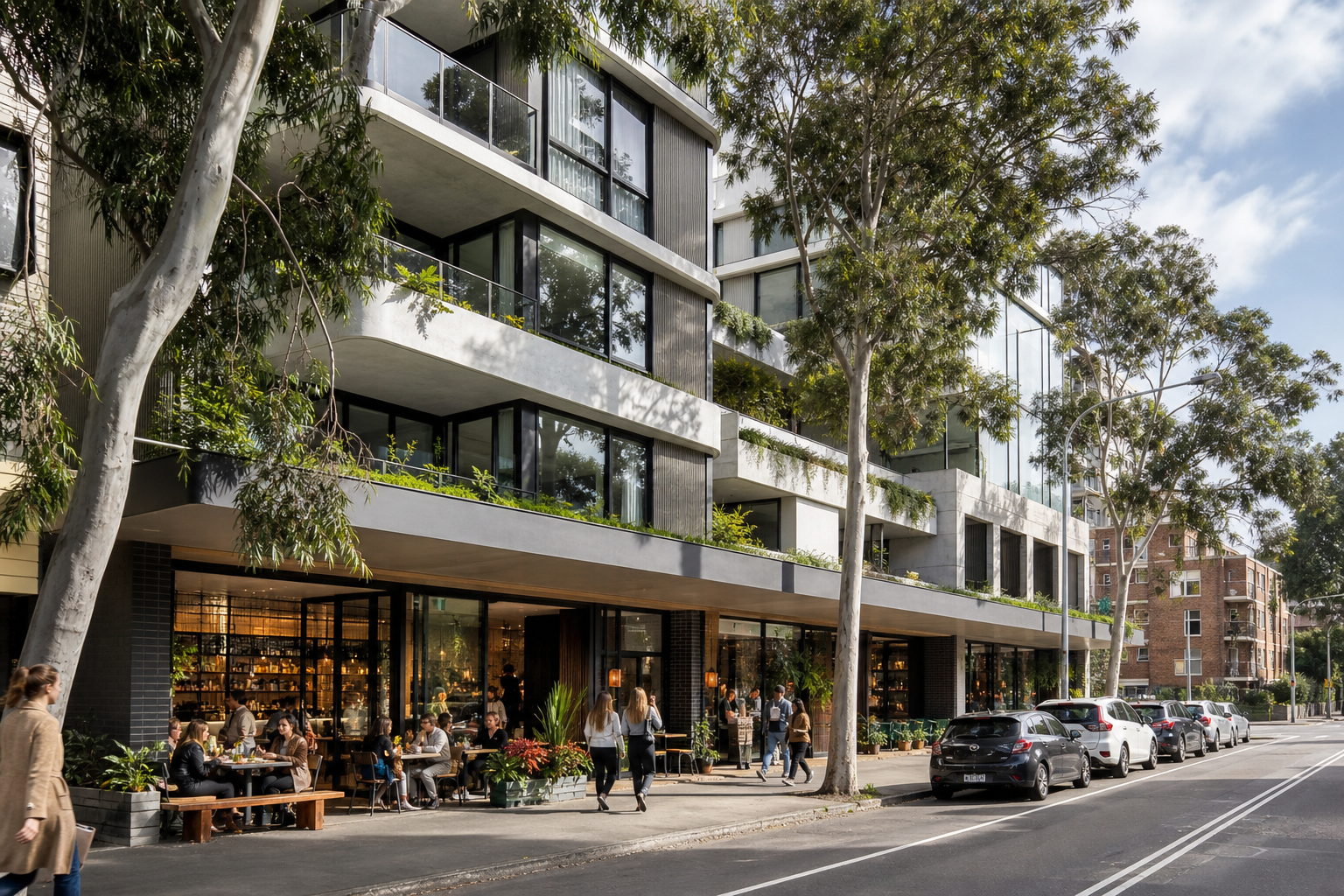
Mascot has plenty of buildings with retail or commercial on the ground floor – cafés, grocers, small offices, even gyms. Lenders see these as mixed‑use rather than pure residential. They’ll look at:
- Commercial floor area – if non‑residential use is above ~20–30% of the building, some banks pull back.
- Type of businesses – late‑night venues, food courts or high‑turnover retail can be seen as higher risk.
- Zoning – B4/B6 or similar flexible‑use zones can trigger “specialist security” rules.
The more commercial exposure, the more likely you’ll see lower LVR caps, stricter valuations, or a shorter lender list.
2. How this changes your deposit, LVR and valuation risk
Banks overlay Mascot high‑density and mixed‑use rules on top of standard APRA settings, including the typical 3% serviceability buffer on rates. That means the same income and same price point can produce very different approvals depending on the building.
2.1 Typical LVR settings – Mascot vs standard
These are indicative only (every lender differs), but they show the pattern buyers feel on the ground:
| Property type & location | Typical max LVR* | Notes |
|---|---|---|
| Metro house, non‑risky suburb | Up to 95% (with LMI) | Standard policy if income strong |
| Mascot high‑density apartment (standard size) | 80–90% | Some lenders cap at 80% to reduce risk |
| Mascot small studio / sub‑50 m² one‑bed | 70–80% | Tight size rules; see /insights/small-studio-one-bed-mascot-minimum-size-lvr-valuation |
| Mixed‑use Mascot unit above significant retail | 60–80% | Strongly lender‑specific |
*Illustrative only – not a quote or recommendation.
The result: a buyer expecting to borrow at 90–95% LVR may suddenly need a 20–30% deposit once the valuer sees the building.
2.2 Worked example: the $900k Mascot high‑rise unit
Say you’re buying a $900,000 two‑bed in a large Mascot tower:
- You assume 90% LVR → $90,000 deposit + costs, $810,000 loan.
- But the chosen bank caps that building at 80% LVR.
Now you need:
- 20% deposit = $180,000, and
- The bank will only lend $720,000.
If you don’t have the extra $90,000, you’re suddenly scrambling for a different lender, a guarantor, or a contract exit strategy.
Layer on valuation risk: if the valuer comes in 5% lower (common in high‑rise) at $855,000, 80% LVR is now $684,000. That’s a $126,000 deposit plus a bigger cash gap at settlement. This is why building‑specific lender choice, and having buffers, matters more than rate hunting in Mascot.
The strategy continues below
You've seen the problem and the groundwork — now unlock the exact steps our CPA-certified brokers use, including 4 more sections. Enter your email for instant, free full access.
Free access. No spam — unsubscribe anytime. Your details stay confidential.
Frequently asked questions
Talk to a CPA-certified broker
Free consultation, plain-English advice tailored to your situation.