
Article
How Pools, Garages and Moorings Affect Your Loan and Valuation
A practical Eastern Suburbs‑focused guide to how pools, garages, moorings and other “extras” influence bank valuations, borrowing power and approval risk — and how to structure your finance so upgrades and prestige features help, not hurt, your strategy.
Key Takeaway
Pools, garages and moorings affect Australian home loan approvals mainly through their impact on bank valuations, insurance and resale risk, not your personal preferences. Valuers typically capitalise secure parking and moorings more strongly in high‑demand Eastern Suburbs, while giving pools and bespoke upgrades only partial value. The article explains how to pre‑empt conservative valuations, use recent comparable sales, and structure buffers and LVR so extras enhance – rather than jeopardise – borrowing power and settlement certainty.

This topic is covered in full on Tailored Loans Sydney
A practical Eastern Suburbs‑focused guide to how pools, garages, moorings and other “extras” influence bank valuations, borrowing power and approval risk — and how to structure your finance so upgrades and prestige features help, not hurt, your strategy.
Read the full guide on tailoredloans.sydneyBuying or refinancing a prestige property in Sydney’s East often means paying a premium for the “extras” — pool, double garage, marina berth, roof terrace, concierge, upgraded common areas.
Those extras can absolutely help your wealth plan. But for your lender, they are only useful if a valuer can show local buyers will reliably pay more for them. This guide explains how pools, garages, moorings and other add‑ons actually influence your bank valuation, borrowing power and approval risk — and what you can do this week to protect your position.
In bank land, extras matter only to the extent they (1) are legal and insurable, (2) improve resale to a broad buyer pool, and (3) are supported by comparable sales. A lender will happily ignore, or heavily discount, features that don’t tick all three.
We’ll focus on high‑value apartments and boutique blocks in Double Bay, Rose Bay, Bellevue Hill and surrounds, but the principles apply broadly across Sydney.
1. How lenders really think about “extras”
1.1 Valuation first, emotion second
When a lender orders a valuation, the valuer isn’t there to confirm the contract price. They’re there to answer one core question:
“If we have to sell this property within a reasonable period, in normal local market conditions, what price is achievable?”
That means:
- Personal taste is irrelevant.
- Over‑capitalised improvements are discounted.
- Unusual extras are treated cautiously.
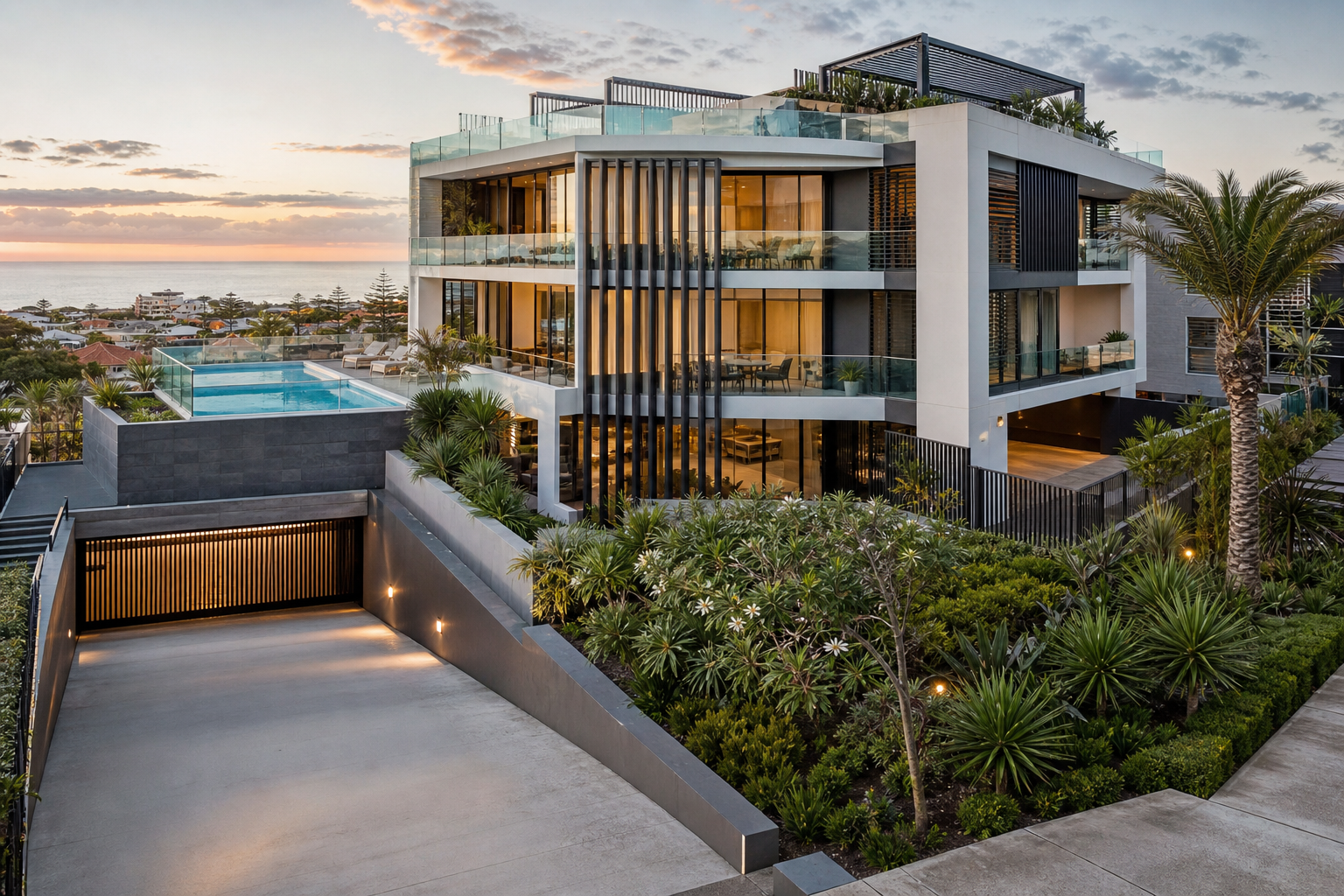
In the Eastern Suburbs, prestige buyers may pay large premiums for a harbour‑side pool or secure marina access. A bank will often only recognise part of that premium unless there is strong, repeatable sales evidence.
1.2 Where extras show up in your loan approval
Extras influence your approval through three channels:
- Valuation amount – which sets your usable loan‑to‑value ratio (LVR).
- Marketability and risk flags – can the property be resold easily across the cycle?
- Ongoing costs – higher strata, insurance and maintenance can affect your living expense assessment (via HEM plus actuals).
APRA’s serviceability buffer (typically 3% above your actual rate) means lenders are already looking hard at total repayments. Heavy ongoing costs for pools, lifts and concierge services can quietly reduce your maximum borrowing.
1.3 Impact on LVR and LMI
Because extras can make values more volatile, lenders may:
- Cap LVR (e.g. 80% maximum instead of 90–95%).
- Decline to waive LMI above certain LVRs.
- Require a lower LVR for investors than owner‑occupiers in niche stock.
For a $3m apartment, a 5% shift in acceptable LVR is $150k of borrowing power. That can be the difference between a clean approval and needing to find extra cash before settlement.
If you haven’t already, it’s worth pairing this article with the broader strategy lens in /insights/strategic-mortgage-broking-eastern-suburbs-families-professionals.
2. Pools: lifestyle upgrade, valuation wildcard
2.1 When pools add value (and when they don’t)
In houses and ground‑floor garden apartments, a pool can be a clear plus. In East‑side strata blocks, it’s more nuanced.
Valuers typically ask:
- Is the pool common property or private use?
- Does it appeal to the core local buyer pool (families vs downsizers)?
- Are there recent comparable sales with and without similar pool access?
In Double Bay and Rose Bay, a high‑quality shared pool in a boutique block often supports strong pricing for family buyers and downsizers. But the valuer might still only attribute a modest value uplift versus a similar non‑pool building.
Private plunge pools and rooftop spas are even more case‑by‑case — great for marketing, but often treated as a minor adjustment in the valuation report.
2.2 Pools and ongoing cost risk
Lenders care about expenses because they feed into your borrowing power. Pool‑heavy buildings usually mean:
- Higher strata levies (cleaning, heating, compliance, repairs).
- Larger special levies when waterproofing or tiling fails.
If your actual strata is significantly above what a lender has in their calculator for your postcode, they can substitute your real costs instead of just the Household Expenditure Measure (HEM). That can shave hundreds of thousands off borrowing capacity for high‑income borrowers.
Worked example – strata impact
- Two similar $2.5m apartments in Bellevue Hill.
- Apartment A: older block, no pool, strata $8,000 p.a.
- Apartment B: newer boutique block with heated pool, gym, strata $22,000 p.a.
If a lender loads the higher actual strata into servicing at a 4.35%–5.5% interest rate plus APRA buffer, it’s easy for maximum approved borrowing to be $200k–$300k lower for Apartment B, even before we talk about valuation.
2.3 Renovating or adding a pool – funding and value
If you’re adding a pool via renovation or building work:
- Don’t assume dollar‑for‑dollar uplift. A $200k pool may lift valuation by far less if it over‑capitalises your property for the street.
- Be deliberate about loan splits by purpose – home vs investment vs business – to keep interest deductibility clean if the property use changes later (see Facts 1, 6, 14).
Using equity or a construction facility for a major pool addition? Revisit the safety guide from other renovation content: keeping combined home and investment repayments around 25–35% of net income remains sensible, even if the bank would lend more.
3. Garages and parking: the quiet valuation workhorse
3.1 Why basement parking matters so much in the East
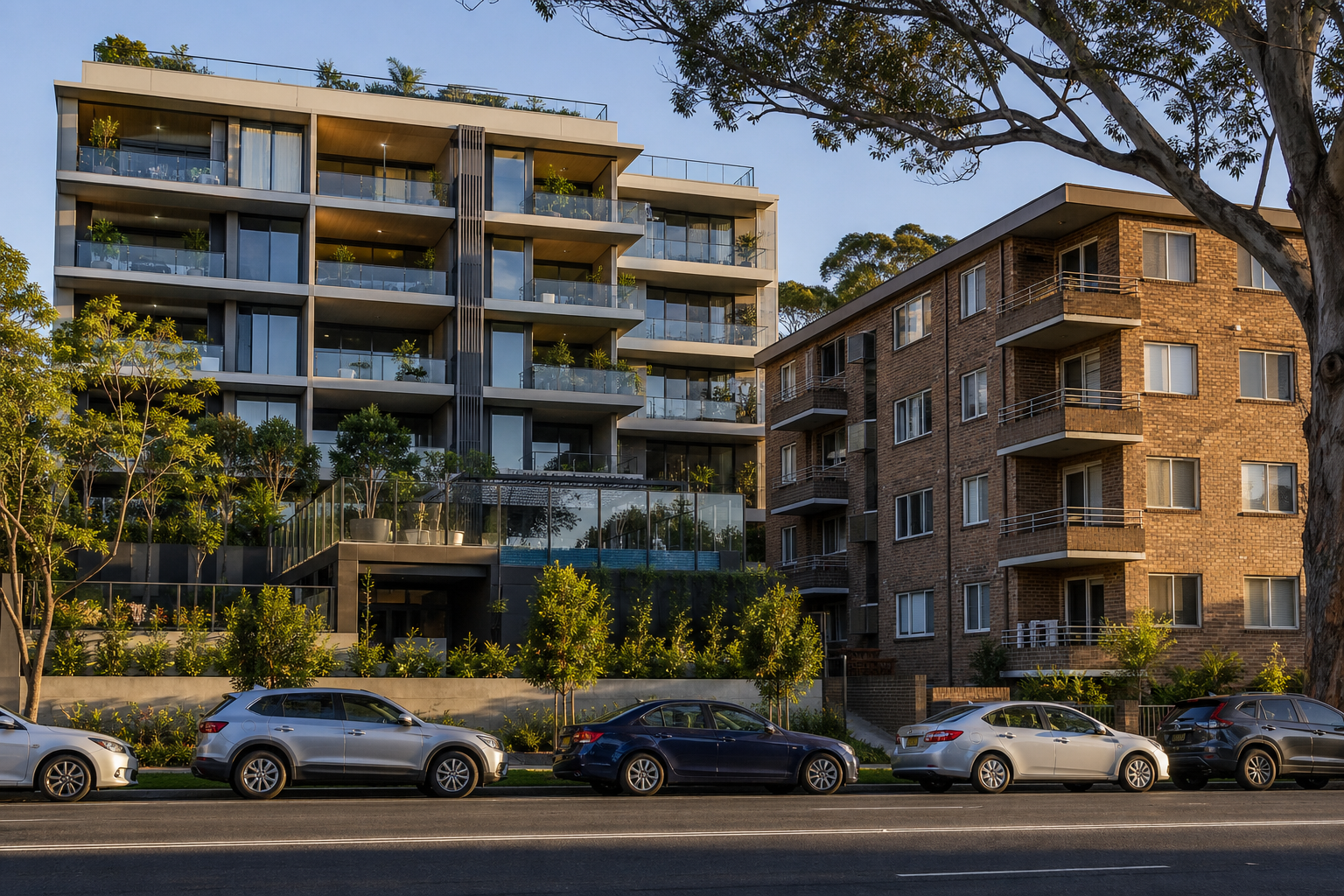
Secure parking in the Eastern Suburbs often does more for your valuation than a pool.
Valuers look at:
- Number of spaces (0 vs 1 vs 2+).
- Type – lock‑up garage, security basement, stacker, car space on title or exclusive use.
- Location – narrow laneway vs easy access, turning circles, flood risk.
For many local buyers, a second car space is the difference between making a building liveable or non‑starter — especially for families and professionals.
In practice, a secure LUG or side‑by‑side parking can:
- Pull your property into a different comparable set.
- Widen the resale buyer pool (and so reduce lender risk).
3.2 How valuers price car spaces
Valuers don’t just add a flat number per car space. Instead, they use comparable sales and then adjust. But as a rule of thumb in tightly‑parked suburbs:
- Moving from no parking to one secure space can be worth a large value jump.
- Moving from one to two spaces is still meaningful but marginally less impactful.
- Going beyond two spaces can become a lifestyle bonus, not a fully recognised value driver.
In a $3m Double Bay apartment building, one extra secure basement car space might support a valuer adjustment of, say, $100k–$200k compared to a similar unit without it. But precise amounts are always evidence‑driven.
3.3 Garages, moorings and LVR risk compared
Here’s how lenders typically see several common extras:
| Feature | Typical lender view on risk | Valuation impact (indicative) | Ongoing cost concern? |
|---|---|---|---|
| Single secure car space | Strong positive, broad appeal | Moderate to strong uplift | Low |
| Double side‑by‑side parking | Strong positive for family/downsizer | Strong uplift where scarce | Low |
| No parking | Clear negative in car‑dependent areas | Lower valuation vs peers | Low |
| Shared strata pool | Mild positive if well maintained | Small to moderate uplift | Medium (levies) |
| Private plunge pool | Case‑by‑case, risk of over‑cap | Often partial recognition | Medium |
| Marina berth / mooring licence | Niche positive, limited buyer pool | Partial to strong, evidence‑led | High (fees, levies) |
| High‑spec concierge/gym complex | Mixed – depends on buyer profile | Variable | High (levies) |
Table is indicative only. Real outcomes depend on suburb, building, and valuer evidence.
The strategy continues below
You've seen the problem and the groundwork — now unlock the exact steps our CPA-certified brokers use, including 7 more sections. Enter your email for instant, free full access.
Free access. No spam — unsubscribe anytime. Your details stay confidential.
Frequently asked questions
Talk to a CPA-certified broker
Free consultation, plain-English advice tailored to your situation.