
Article
How Eastern Suburbs Prestige And Fringe Markets React To Economic Shocks
How Sydney’s Eastern Suburbs prestige and fringe pockets really behave when rates jump, tax rules change or credit tightens – and what that means for your next move this week.
Key Takeaway
Prestige and fringe areas of Sydney’s Eastern Suburbs respond differently to economic shocks such as RBA rate hikes and credit tightening: blue‑chip, tightly held pockets typically hold value better but see thinner buyer pools and longer days on market, while fringe or new‑supply pockets can drop 10–20% faster when sentiment turns. Using defensive suburb selection, realistic valuation expectations, and stress‑testing for a 2–3% interest rate rise helps buyers and investors choose assets and loan structures that remain manageable through future shocks.

This topic is covered in full on Tailored Loans Sydney
How Sydney’s Eastern Suburbs prestige and fringe pockets really behave when rates jump, tax rules change or credit tightens – and what that means for your next move this week.
Read the full guide on tailoredloans.sydneyEconomic shocks – rate hikes, energy-price spikes, investor tax changes – hit different parts of Sydney’s Eastern Suburbs very differently. If you understand how prestige vs fringe pockets usually react, you can choose suburbs and loan structures that still work when the RBA tightens or credit rules change.
In simple terms: blue‑chip, tightly held pockets often hold value better but become harder to transact; fringe, oversupplied or “fashionable this year” pockets can fall faster and further.
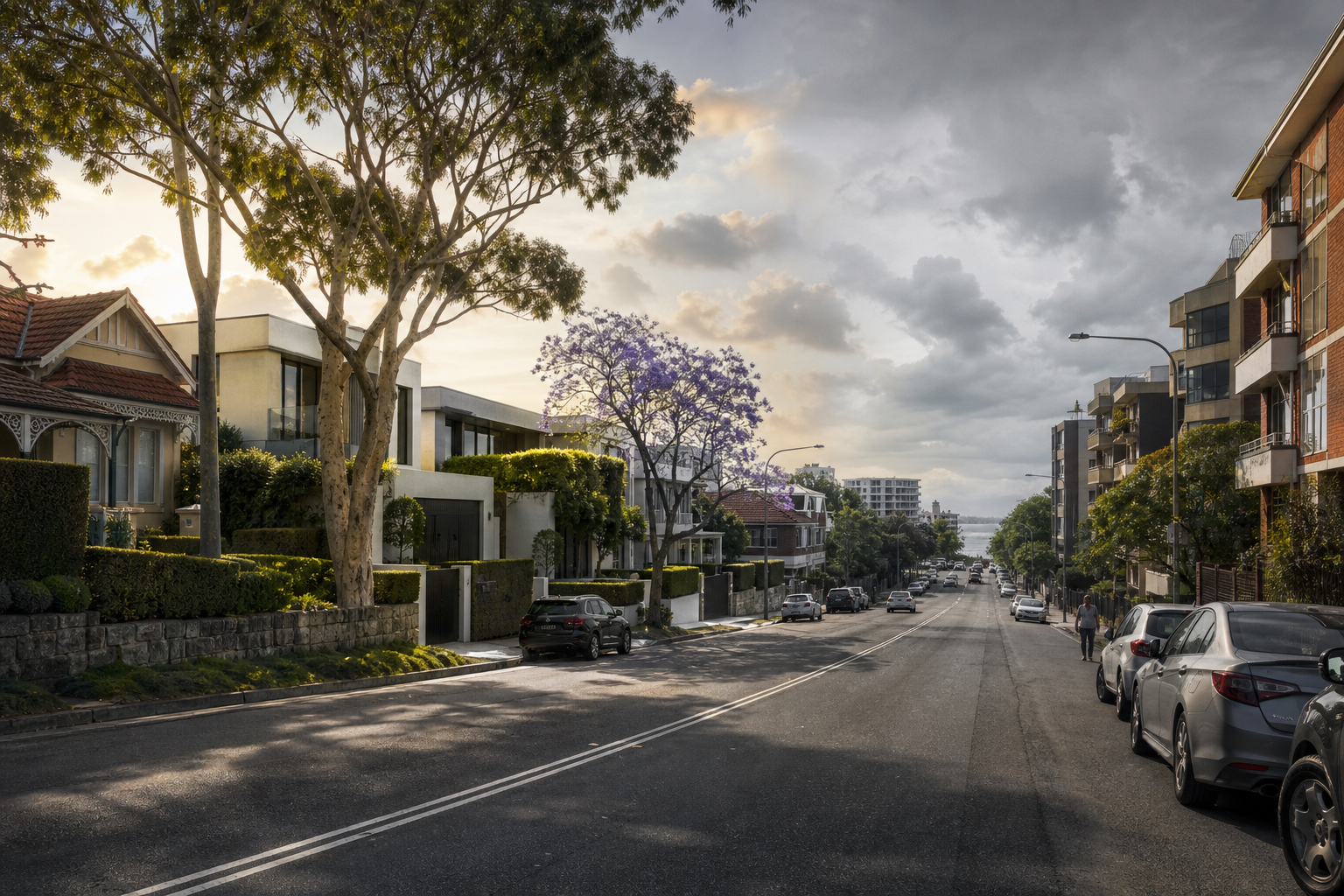
1. What counts as prestige vs fringe in the Eastern Suburbs?
Think in behaviour, not real estate ads.
Prestige / blue‑chip traits
- Established, tightly held streets and micro‑pockets
- Limited new supply, strict planning or heritage
- High owner‑occupier share, often older money
- Strong school, transport or view advantages
- Deep upgrade and downsizer demand
Fringe / vulnerable traits
- Heavy recent or future supply (towers, rezoned corridors)
- Investor‑heavy stock, smaller owner‑occupier base
- Reliance on one story: beach buzz, nightlife, or short‑term rental
- More price‑sensitive buyers, higher leverage
Our piece on how lenders see these nuances – boring but bank‑friendly vs glossy but fragile – is worth a scan: /insights/over-hyped-vs-under-the-radar-eastern-suburbs-lender-view.
2. How economic shocks flow through Sydney’s east
Recent RBA material (2026 minutes and Statements on Monetary Policy) shows three main shock channels:
- Higher interest rates – bigger mortgage repayments, weaker borrowing power
- Credit tightening – tougher servicing, more scrutiny on investors/self‑employed
- Confidence shocks – energy prices, global conflict, tax changes on property
Post‑COVID, the RBA notes that transmission from cash rate to mortgage rates is actually stronger than pre‑2020, because bank funding spreads narrowed and non‑bank credit grew. So the same 0.25% hike bites harder than it used to.
What this means on the ground
- Borrowing power can drop 10–20% quickly as rates rise
- APRA’s 3% buffer means stressed serviceability is tested at much higher rates
- Investor tax tweaks or talk of more can freeze marginal buyers temporarily
The strategy continues below
You've seen the problem and the groundwork — now unlock the exact steps our CPA-certified brokers use, including 5 more sections. Enter your email for instant, free full access.
Free access. No spam — unsubscribe anytime. Your details stay confidential.
Frequently asked questions
Talk to a CPA-certified broker
Free consultation, plain-English advice tailored to your situation.