
Article
Choosing Property‑Backed vs Unsecured Working Capital For Your Business
Written and reviewed by James Chee, CPA · Last reviewed
Clear, decision‑grade guide comparing property‑backed working capital to unsecured business loans for Australian small businesses, with cost, risk and flexibility trade‑offs you can act on this week.
Key Takeaway
This article explains when Australian small businesses should choose property‑backed working capital over unsecured business loans by comparing cost, risk, and flexibility. Property‑secured facilities often have rates several percentage points lower but materially increase concentration risk on the family home and cross‑default exposure. Unsecured loans carry higher rates and shorter terms yet cap downside and are usually quicker to obtain. The key actionable insight: match loan type to purpose and term, and protect conservative property LVRs rather than just chasing the lowest rate.
Watch the short answer
How ABN age can affect your chances with the banks
While you compare property‑backed and unsecured options, this video shows how your ABN age can shape what banks will actually offer you.
Read the transcript
Most banks have a rigid rule: if your ABN hasn't been active for two full years, you can't get a home loan. But if your trade business has been booming for 12 months, why should your family wait to buy a house? We have direct access to alternative doc lenders who accept 6 to 12 months of active trading backed by clean business bank deposits. Stop waiting for arbitrary timelines. DM me 'GROWTH' to look at your options.
General information only, not personal advice. Your situation is assessed before any recommendation.

This topic is covered in full on Local Knowledge Finance
Clear, decision‑grade guide comparing property‑backed working capital to unsecured business loans for Australian small businesses, with cost, risk and flexibility trade‑offs you can act on this week.
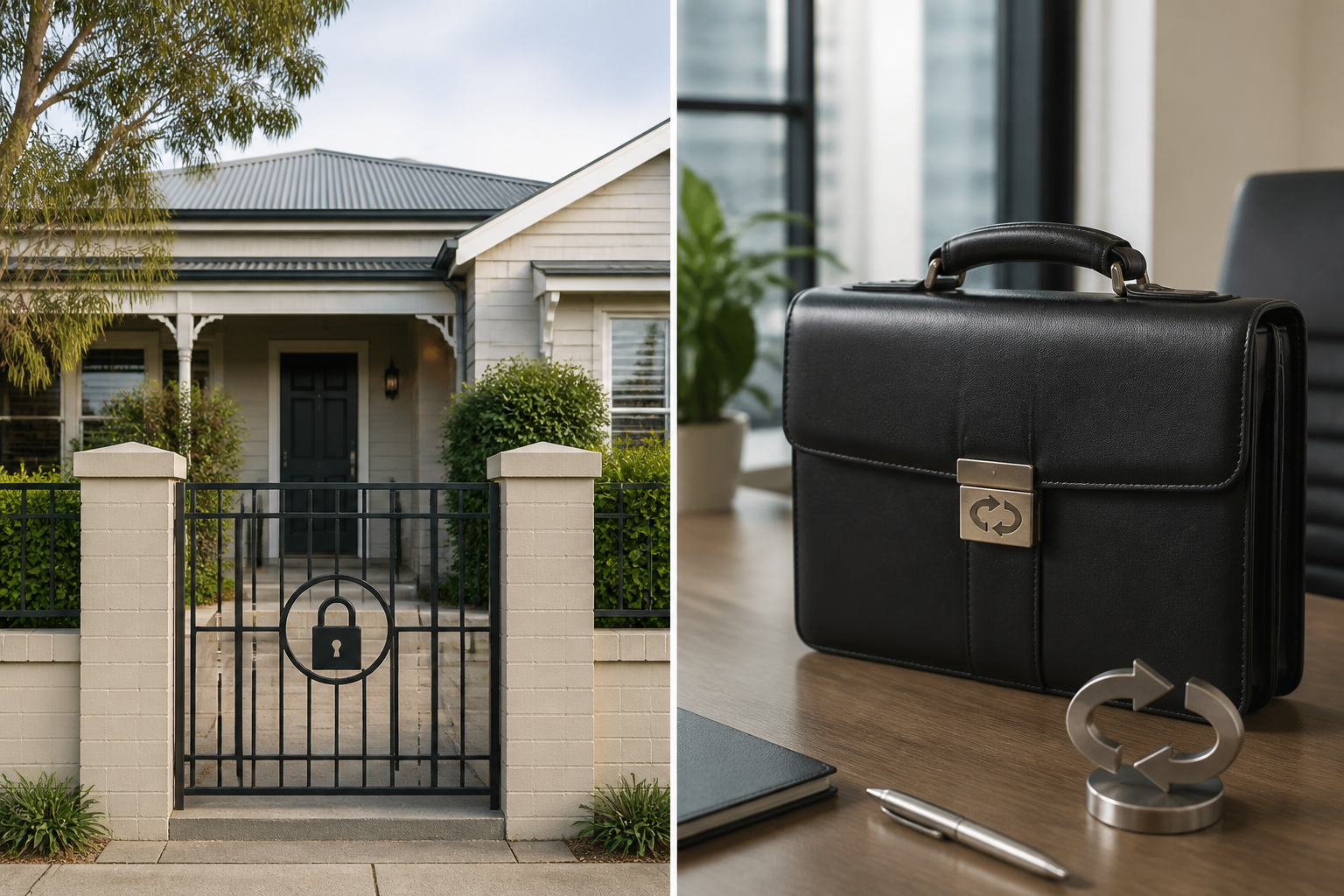
Read the full guide on ding.financialProperty‑backed working capital is usually cheaper on the rate but riskier for your home, while unsecured business loans cost more but contain the damage if things go wrong. The right choice comes down to loan size, term, what you’re funding, and how much risk you’re willing to load onto your property.
In Australian practice, secured working capital means a business facility backed by residential or commercial property (often your home), whereas unsecured working capital relies on business cashflow and director guarantees, not a mortgage.
1. Cost: headline rate vs true cost
Property‑backed working capital will almost always show a lower interest rate than an unsecured SME loan.
Indicative ranges (not offers, just ballparks):
- Property‑secured business term / equity loan: often somewhere around home‑loan‑plus‑a‑margin.
- Unsecured business loan or cashflow facility: commonly several percentage points higher, especially for smaller amounts.
But headline rate isn’t the whole story.
Example (simplified):
- $200,000 need for stock and marketing.
- Option A – secure against home over 15 years at a lower rate.
- Option B – unsecured 4‑year term loan at a higher rate.
Over 15 years you’ll pay interest for an extra 11 years and keep that debt sitting against your home the whole time. Even with a lower rate, the total interest can be higher and your household risk is much greater.
As we covered in Working Capital Basics: Structures, Costs And Safe Limits For SMEs, short‑term needs should usually be met with short‑term facilities.
What pushes cost up in practice
- Mismatched term – using a 10–25 year property facility for a 3‑year problem inflates interest costs.
- Fees and break costs – unsecured loans can have higher fees; property loans can carry discharge and legal costs.
- Rate creep – unsecured rates may step up after an intro period; property‑backed lines can quietly extend as interest‑only.
The strategy continues below
You've seen the problem and the groundwork — now unlock the exact steps our CPA and Registered Tax Agent-led brokers use, including 4 more sections. Enter your email for instant, free full access.
Free access. No spam — unsubscribe anytime. Your details stay confidential.
Frequently asked questions
Related articles
Commercial & development
Smart Debtor Finance Around Progress Claims For Builders And Tradies
Commercial & development
Construction Cashflow 101: Progress Claims, Retentions And Funding Gaps
Self-employed lending
How to clean up overdrafts and director loans before a home loan
Self-employed lending
Simple Working Capital Setups For Sole Traders That Stay Tax‑Clean
Talk to a broker who is a CPA and Registered Tax Agent
Free consultation, plain-English advice tailored to your situation.