
Article
When To Refinance or Consolidate Equipment Loans Without Hurting Cashflow
A practical guide to when refinancing or consolidating equipment loans actually saves you money, protects cashflow and reduces risk—without tying everything to your home.
Key Takeaway
Refinancing or consolidating equipment loans makes sense when the interest savings, simpler cashflow and risk reduction clearly outweigh break fees and restructuring costs over the remaining term. Australian equipment finance typically runs 3–7 years, so extending terms too far can increase total interest despite lower repayments. The guide explains triggers to review, key numbers to compare, and how to restructure without over‑leveraging your home, giving business owners a clear one‑week action plan.
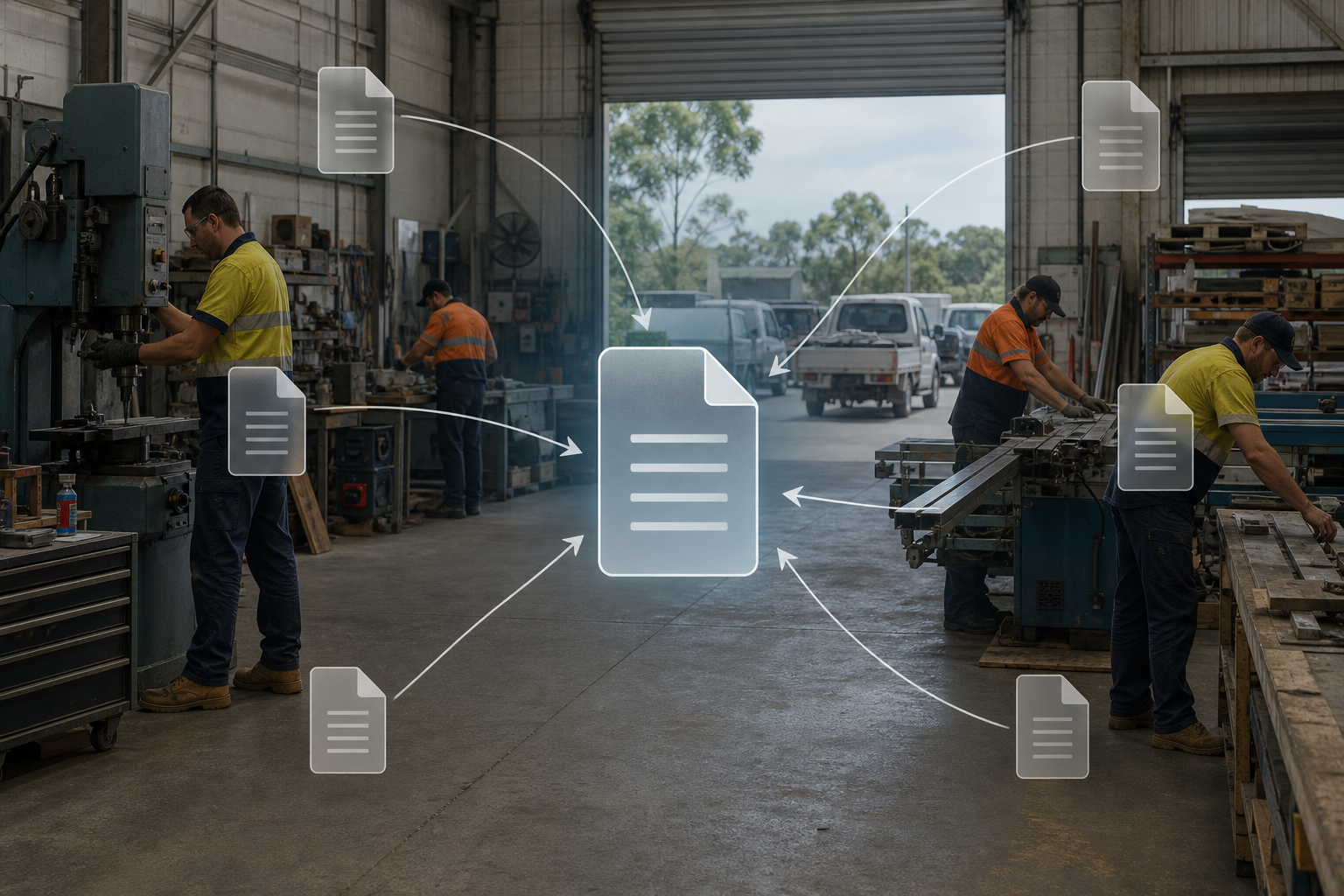
Refinancing or consolidating equipment loans can save serious money and stress — but it can also quietly increase your total interest bill or put your home at risk if you get it wrong.
In simple terms, it’s worth restructuring equipment finance when the all‑in savings (rate, fees, tax and admin) and clearer cashflow picture are bigger than the costs of moving, without stretching the loan well past the gear’s working life.
This guide walks through how to tell if that’s true for your situation, using numbers you can pull together this week.

1. What “refinancing” and “consolidating” equipment loans really mean
Before you can decide whether to restructure, you need clean definitions.
1.1 Refinancing equipment finance
Refinancing an equipment loan means taking out a new facility to pay out one existing loan over the same asset.
Common reasons:
- Lower interest rate or margin
- Better features (offset/redraw, flexibility) — see /insights/offset-vs-redraw-equipment-backed-loans
- Moving from alt‑doc to full‑doc once your financials improve
- Changing product type (e.g. lease to chattel mortgage)
The equipment stays as security; you’re just swapping lenders or structures.
1.2 Consolidating equipment loans
Consolidation means combining multiple debts into one new facility. For equipment, that might be:
- Several small machinery or vehicle loans rolled into one
- Card/overdraft debt used for equipment, wrapped into a term facility
- Business debts pushed into a property‑backed loan (higher risk if mis‑matched)
Consolidation can tidy cashflow and admin, but it often involves resetting the term — which is where many businesses accidentally increase total interest.
1.3 Why timing matters with equipment
Most Australian equipment finance terms run 3–7 years and lenders usually cap the total asset age (often 10–15 years for vehicles and machinery, 5–7 years for tech). That means:
- Refinancing late in the term may only get you 12–24 months of benefit.
- Stretching a 4‑year‑old truck back out to another 7 years rarely passes credit or common sense tests.
The best wins usually come when you:
- Reprice/restructure within the first half of the term; or
- Combine a refinance with an upgrade cycle you already need to do.
2. Red flags: signs your existing equipment loans are hurting you
You don’t need to be a finance nerd to spot when equipment debt is no longer fit‑for‑purpose. If you’re seeing several of these at once, it’s time to review.
2.1 Cashflow squeeze and seasonal stress
Watch for:
- Scrambling for cash every quarter BAS
- Juggling repayments around payroll
- Constantly dipping into overdrafts or credit cards to keep up
These are signals that your repayment profile doesn’t match your cashflow cycle.
Restructure options can include:
- Longer remaining term (within asset life)
- Interest‑only for a short, defined period
- Moving some debt into a facility with an offset or redraw (see /insights/offset-vs-redraw-equipment-backed-loans)
2.2 Rate drift after RBA moves
If you took equipment finance when rates were low, lender margins may now look expensive relative to current offers, or vice versa. The RBA moved from a 0.10% cash rate during COVID to well above 3% in the mid‑2020s, with multiple increases and adjustments along the way (RBA historical tables).
You should review when:
- Your rate is >1–2% higher than competitive quotes for similar risk/asset
- You’ve improved profitability since the last deal (so you deserve sharper pricing)
Just remember: a lower rate with a much longer term can still increase total interest.
2.3 Messy mix of loan types and lenders
Classic warning signs:
- 5+ separate machinery and vehicle loans, all with different dates
- Card and overdraft balances that started as “temporary” equipment fixes
- Multiple lenders you barely remember dealing with
Admin alone can cost you time. But more importantly, this often hides higher effective interest rates and short‑term debt funding long‑term assets.
2.4 Property security quietly creeping in
If your bank has steadily taken more security over your home or investments to support business lending, you may now have:
- Equipment funded inside a 25–30 year home loan
- General business loans cross‑secured against your family home
Using home equity for short‑life assets can mean you pay several times more interest over 25–30 years than you would over a 3–7 year stand‑alone facility, even at a lower headline rate.
That doesn’t automatically mean you should unwind it — but it does mean you need to run a clear comparison.
3. When refinancing or consolidating equipment loans usually makes sense
Let’s shift from red flags to positive criteria. These are the common scenarios where restructuring is worth a serious look.
3.1 You can clearly lower your all‑in cost
“Cheaper” must mean total cost, not just a lower rate.
Work off this framework:
- Remaining repayments on current loans (interest + principal)
- Payout figures and any break/early termination fees
- New offer — rate, term, fees, security, tax treatment
- Difference in total dollars over the same end date
Worked example: simple rate‑driven refinance
- Existing truck loan: $150,000, 5 years original term
- 3 years remaining, rate 10% p.a., monthly P&I
Approximate remaining monthly repayment: ~$3,220 Total remaining payments over 36 months: ~$115,920
New offer:
- Refinance same balance $120,000
- 3‑year term, 7.5% p.a., P&I
New repayment: ~$3,736 Total over 36 months: ~$134,496
This actually costs more, despite the lower rate, because the new lender is capitalising costs and potentially extending or reshaping the amortisation. You’d only proceed if:
- The old loan had big fees or balloon risk; or
- You needed features or flexibility that clearly add value.
Now compare instead:
- New offer at 7.5%, keeping the same end date and similar amortisation
- Lower fees and clean structure
In many real cases, where lenders aren’t resetting amortisation, the total cost over the remaining term can fall 5–15%.
3.2 You’re simplifying to match asset life and tax
Restructuring is often sensible where you can:
- Get short‑life assets (e.g. IT, small tools) onto 3–4 year terms
- Align heavy machinery or vehicles to sensible 5–7 year terms
- Cleanly separate personal, property and business debt for tax clarity
This matters for how depreciation and interest deductions flow through your returns, especially now that the big COVID‑era instant write‑off concessions have wound back. For a deeper dive on tax timing, see /insights/equipment-finance-tax-instant-asset-write-off-temporary-full-expensing.
3.3 You’re preparing for an upgrade cycle
Restructuring can be part of a bigger plan when you know major upgrades are coming:
- Old gear nearly depreciated, maintenance spiking
- New contract starting that needs more capacity
- Tech at end‑of‑life or no longer supported
In these cases, you might:
- Payout or refinance existing loans to clean baselines
- Consolidate into one facility with staged drawdowns for new assets
- Negotiate better pricing by showing a multi‑asset pipeline
This is closely linked to the sibling topic “Managing Multiple Equipment Loans and Future Upgrades” — the key is not to bolt new gear on top of a messy, high‑cost base.
3.4 You’re moving from alt‑doc to full‑doc
If you originally used low‑doc or alt‑doc equipment finance because your financials weren’t ready, you probably paid a premium in rate or fees.
Once you have:
- Two years of clean financials and BAS
- Stable or growing revenue
- ATO debts cleared or under a compliant plan
…it’s often worth refinancing onto full‑doc pricing. For more on getting your file “clean” before applying, see /insights/fast-track-equipment-finance-approvals-present-business-to-lenders and /insights/equipment-finance-after-credit-blip-ato-debt.
The strategy continues below
You've seen the problem and the groundwork — now unlock the exact steps our CPA-certified brokers use, including 8 more sections. Enter your email for instant, free full access.
Free access. No spam — unsubscribe anytime. Your details stay confidential.
Frequently asked questions
Talk to a CPA-certified broker
Free consultation, plain-English advice tailored to your situation.