
Article
Decoding Rose Bay Property Types and Lending Rules This Year
Written and reviewed by James Chee, CPA · Last reviewed
A practical, decision‑grade guide to how banks see different Rose Bay property types – from Art Deco apartments to harbourside homes and small commercial spaces – and what that means for your borrowing this week.
Key Takeaway
This guide explains how Australian lenders treat different Rose Bay property types and the lending rules that apply, from Art Deco apartments to harbourside prestige homes and small commercial spaces. It notes that well‑maintained older blocks can be easier to finance than defect‑risk new builds and that harbourside prestige properties may be capped at 60–70% LVR. The key actionable insight is to align pre‑approval, lender choice, and valuation checks to the specific blocks and streets you’re targeting before you make offers.
Watch the short answer
Have You Reviewed Your Commercial or Home Loan Rates Lately?
Once you’ve sorted how banks see your Rose Bay property, use this video to check if your current loan rates still stack up.
Read the transcript
If you haven't reviewed your commercial or residential rates in the last 18 months, you are paying a loyalty tax to your bank. Banks rely on your complacency. They reserve their sharpest pricing for new acquisitions, leaving existing customers on inflated variable rates. At Local Knowledge Finance, we don't just do set and forget. We proactively audit your loan structure against the current market, leveraging your increased equity to negotiate better terms or extract cash for your next acquisition. Stop paying the loyalty tax. DM me the word 'AUDIT' to force your lender to sharpen their pencil.
General information only, not personal advice. Your situation is assessed before any recommendation.
This topic is covered in full on Tailored Loans Sydney
A practical, decision‑grade guide to how banks see different Rose Bay property types – from Art Deco apartments to harbourside homes and small commercial spaces – and what that means for your borrowing this week.
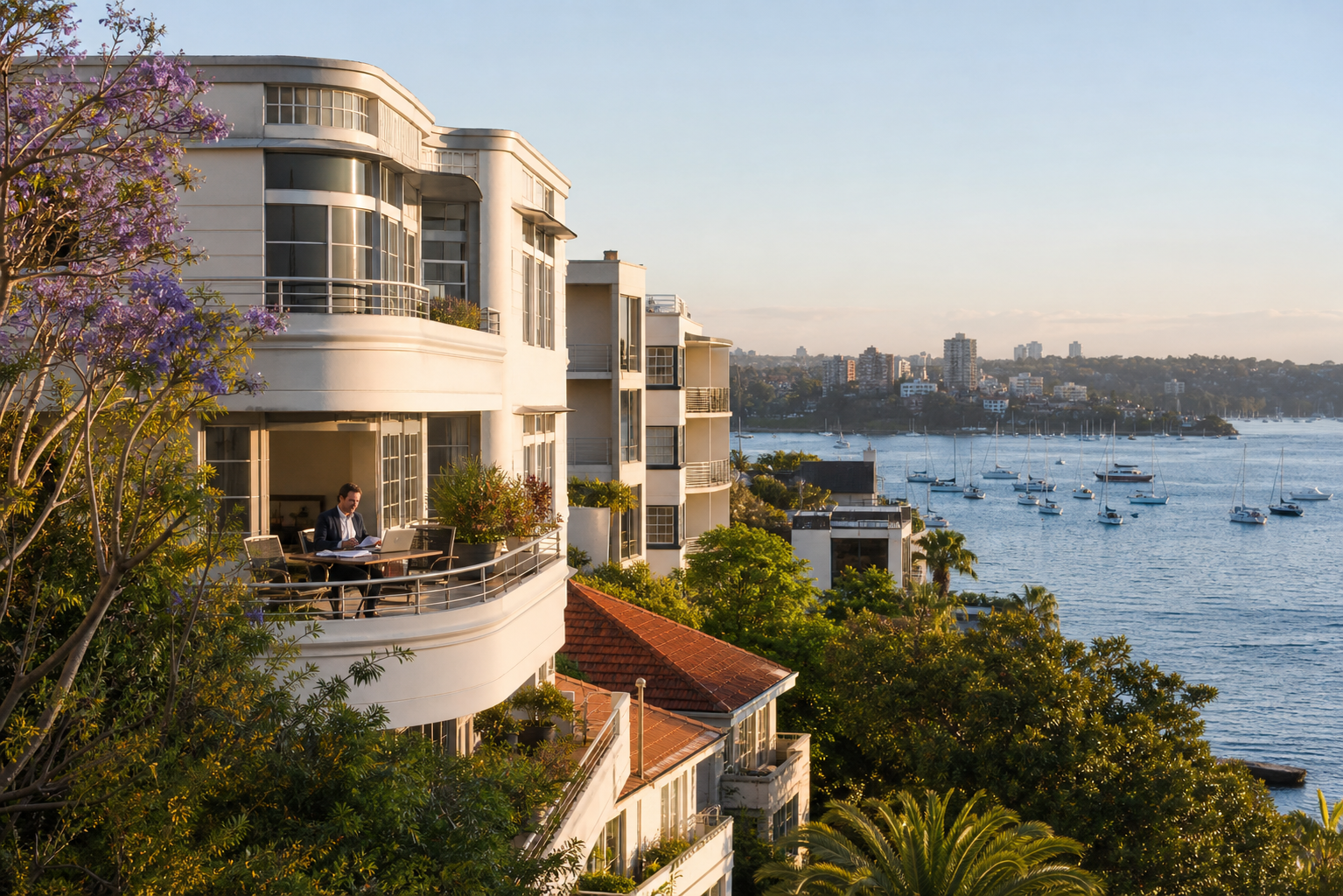
Read the full guide on tailoredloans.sydneyBuying, refinancing or investing in Rose Bay isn’t just about picking a nice property and hoping the bank says yes. Different local property types – Art Deco walk‑ups, small strata blocks, harbourside homes, mixed‑use buildings – are all treated differently by lenders, with distinct rules on LVR, valuations, strata, income and risk.
If you understand how banks categorise Rose Bay properties and the lending rules that follow, you can: (1) target blocks and streets your borrowing profile actually suits; (2) avoid nasty valuation surprises; and (3) negotiate with confidence this week, not after finance falls over.
1. How lenders see Rose Bay in one glance
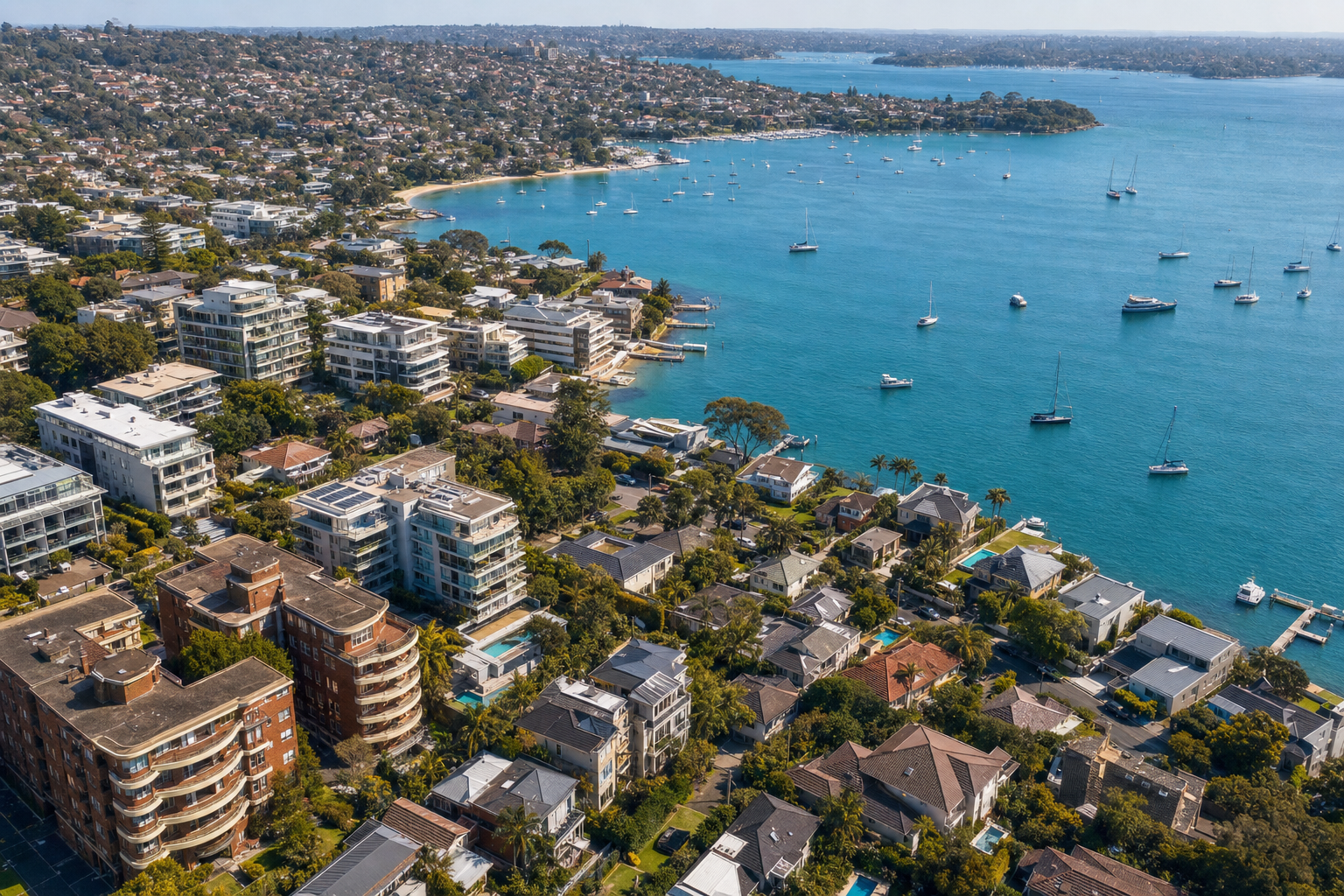
From a bank’s perspective, Rose Bay sits in a high‑income, high‑price, low‑risk LGA (Woollahra) with strong demand and limited land. That’s positive for finance, but it also means large loan sizes, tight serviceability and closer scrutiny of certain building types.
Key features that shape lending decisions:
- High property and rent levels – Woollahra’s 2021 median rent was $695 per week versus $470 Greater Sydney, signalling strong rental backing and investor interest.
- A lot of medium and high‑density housing – especially older Art Deco and mid‑century blocks plus pockets of newer apartments.
- Large share of professionals and self‑employed – great incomes, but often complex for serviceability and documentation.
- Prestige waterfront and harbourside pockets – sometimes treated as “luxury” or “specialised security” with tighter LVR caps.
In practice, this means:
- Standard houses and mainstream apartments in solid blocks are usually easy to fund at up to 80–90% LVR (sometimes higher with LMI, depending on your profile).
- Very high‑value, harbourside, or quirky properties can face lower LVRs, tougher valuations and a smaller pool of lenders.
- Small apartments, mixed‑use and commercial stock (shops, suites) are often assessed under stricter rules than a typical home.
The rest of this guide unpacks each property type and what you can do this week to line up the right finance.
The strategy continues below
You've seen the problem and the groundwork — now unlock the exact steps our CPA and Registered Tax Agent-led brokers use, including 7 more sections. Enter your email for instant, free full access.
Free access. No spam — unsubscribe anytime. Your details stay confidential.
Frequently asked questions
Related articles
Suburb guides
Heritage overlays in Bellevue Hill, Vaucluse and Rose Bay: risk or edge?
Suburb guides
Pools, Garages and Add‑Ons: Will They Help Your Rose Bay Loan?
Suburb guides
Financing Rose Bay Homes With Marinas, Moorings And Shared Waterfront
Suburb guides
Helping Family With Rose Bay Equity While Protecting Your Future
Talk to a broker who is a CPA and Registered Tax Agent
Free consultation, plain-English advice tailored to your situation.