
Article
Financing a Small Zetland Studio or One‑Bed Without Nasty Surprises
Thinking of buying a studio or small one‑bed in Zetland or Green Square? Here’s a blunt, decision‑ready guide to minimum size rules, LVR caps and valuation traps – so you don’t get burned at finance or settlement.
Key Takeaway
Buying a small studio or one‑bedroom in Zetland usually means tighter lending rules: many banks want at least 40–50 m² internal area plus balcony and may cap the LVR at 70–80% in high‑density postcodes. Because valuers often price these units conservatively, especially in investor‑heavy buildings, buyers should stress‑test for a 5–10% down‑valuation and check lender postcode policies before offering. A short finance‑first checklist this week can prevent settlement shortfalls later.
This topic is covered in full on Tailored Loans Sydney
Thinking of buying a studio or small one‑bed in Zetland or Green Square? Here’s a blunt, decision‑ready guide to minimum size rules, LVR caps and valuation traps – so you don’t get burned at finance or settlement.
Read the full guide on tailoredloans.sydneyMost lenders will finance a small studio or one‑bed in Zetland, but they apply tougher rules on minimum size, LVR caps and valuations than they would on a standard apartment. Before you offer, you need the strata‑plan size, a lender that’s comfortable with the building, and a plan for a 5–10% valuation shortfall.
1. Minimum apartment size: what actually matters
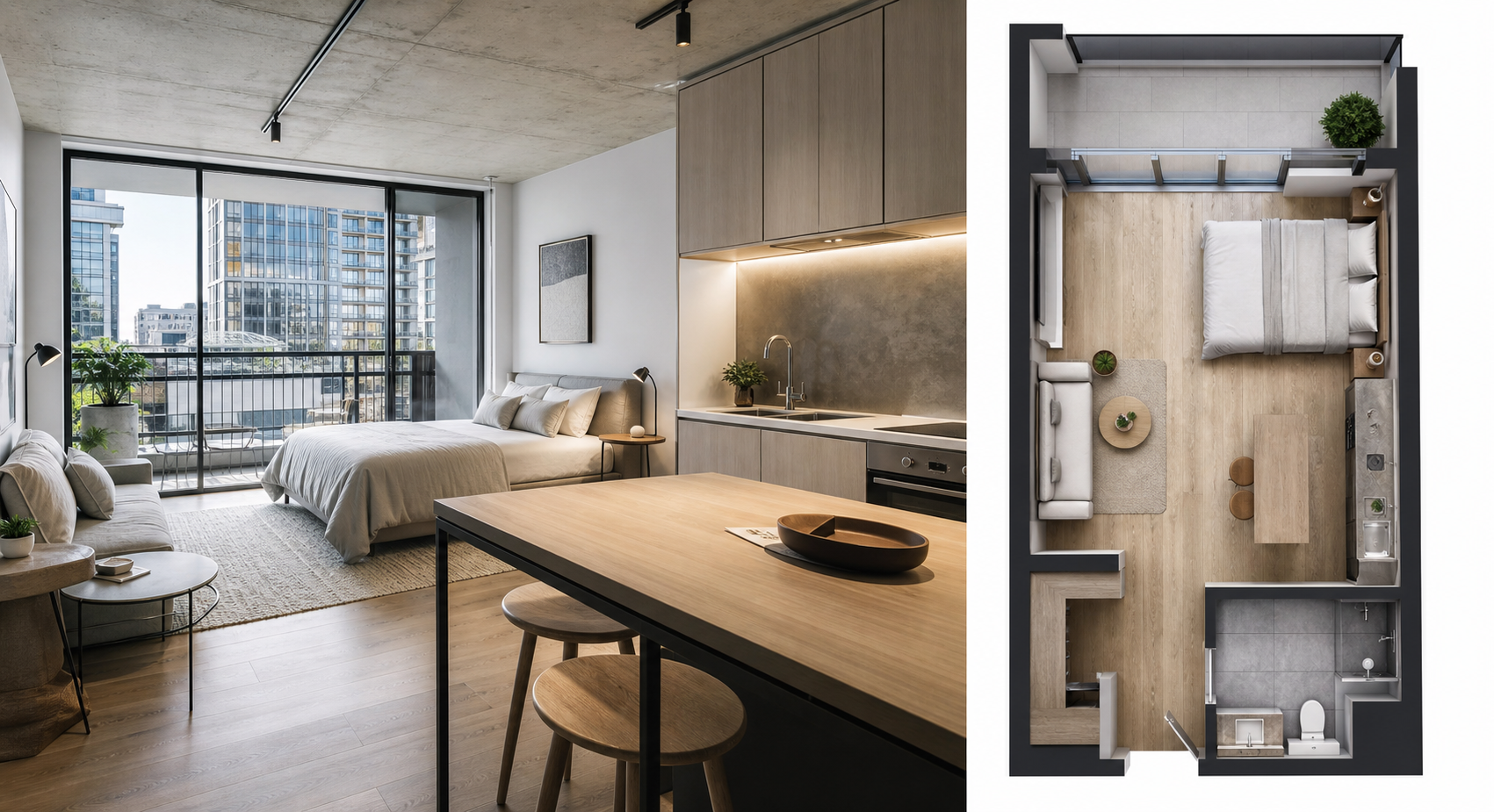
Lenders don’t care what the agent calls it. They care how big it is on the strata plan and whether it’s truly self‑contained.
Typical patterns in Zetland/Green Square (indicative only):
-
Sub‑40 m² internal (true micro‑studio)
Only a small number of lenders will touch these, and often only to 70–80% LVR and on stronger incomes. -
40–50 m² internal
More options, but still not mainstream. Some lenders want ≥50 m² internal, others accept 40+ m² plus balcony. -
50 m²+ internal (common small one‑bed)
This is where lending starts to look more like a normal apartment, subject to the building and postcode.
Key points:
- Banks usually look at internal living area only – not including balcony, car space or storage.
- They will expect a separate bathroom and full kitchen, not a bedsit or hotel‑style setup.
- If it’s under about 40 m² internal, assume it’s a specialist lender scenario unless proven otherwise.
If you’re also looking at Alexandria, the rules are similar – see the worked examples in /insights/small-studio-one-bed-alexandria-minimum-size-lvr-valuation.
The strategy continues below
You've seen the problem and the groundwork — now unlock the exact steps our CPA-certified brokers use, including 4 more sections. Enter your email for instant, free full access.
Free access. No spam — unsubscribe anytime. Your details stay confidential.
Frequently asked questions
Talk to a CPA-certified broker
Free consultation, plain-English advice tailored to your situation.