
Article
Solar For Apartments And Strata: Practical Finance Moves This Week
Live in an apartment or strata and don’t own the roof? You still have options to cut power bills with solar-like setups. This guide shows realistic finance and structure choices you can move on this week, without owning the roof.
Key Takeaway
Australians in apartments or strata who don’t own their roof can still benefit from solar via strata‑run systems, embedded networks, balcony panels or off‑site solar shares, each with different finance options and risk levels. Because solar savings often fall 20% below quotes, borrowers should stress test numbers and maintain a 6–12 month buffer. The best next step is to map likely bill savings against loan or lease payments and choose the lowest‑risk option that still improves weekly cashflow.

If you don’t own the roof, you can still tap into solar-style savings, but you’re mostly financing access to cheaper power, not a rooftop asset in your name. The main options are: strata‑funded solar with higher levies, embedded network deals in your building, balcony/portable panels you own, or buying into off‑site solar. The right finance choice depends on who controls the asset (you vs strata vs energy provider) and how the cashflow hits your budget this week.
1. Know your actual options when you don’t own the roof
If you live or invest in an apartment, think in four buckets.
-
Strata‑owned roof solar
The owners corporation installs solar on common or individual meters, usually funded by:- higher strata levies for a period, or
- a special levy, or
- strata borrowing repaid via levies.
-
Embedded network / solar power purchase
A third party owns the solar and sells you power, often at a discount to the default market offer. You pay via your power bill, not a loan. -
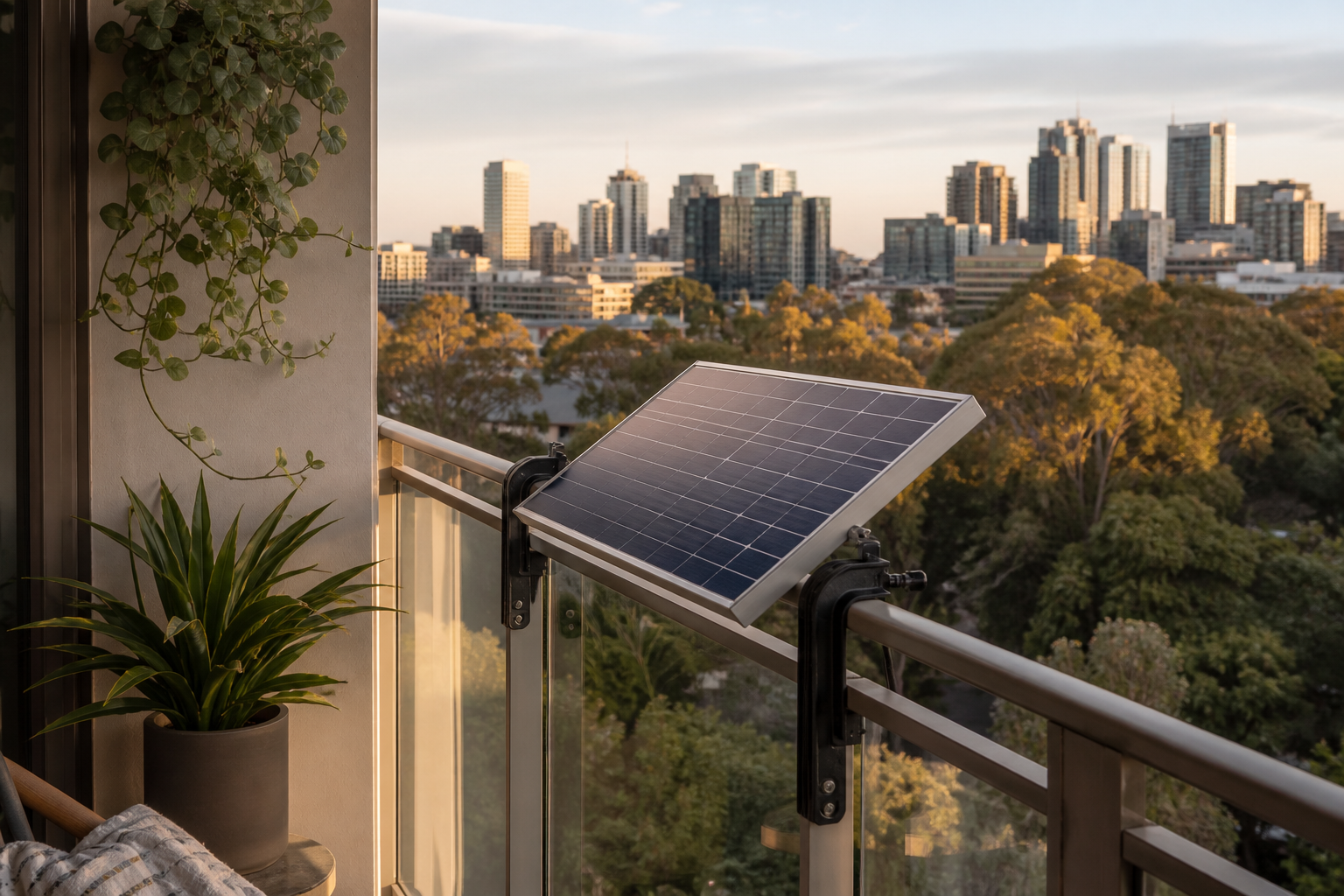
Balcony / window solar panels
Small plug‑in systems, balcony racks or window panels (where bylaws allow). You own the hardware and can finance it, like any appliance. -
Off‑site or community solar
You buy or lease a share in a solar farm and get bill credits. Finance is usually via personal funds, personal loan, or business cash if you’re a small business.
Your job this week: confirm which of these are allowed by your strata bylaws and existing energy contracts.
The strategy continues below
You've seen the problem and the groundwork — now unlock the exact steps our CPA-certified brokers use, including 4 more sections. Enter your email for instant, free full access.
Free access. No spam — unsubscribe anytime. Your details stay confidential.
Frequently asked questions
Talk to a CPA-certified broker
Free consultation, plain-English advice tailored to your situation.