
Article
Do Pools, Basements and Add‑Ons Help or Hurt Your Dover Heights Loan?
How a swimming pool, basement or extra garage in Dover Heights can help or hinder your valuation, LVR and loan approval. A decision-grade guide you can use this week.
Key Takeaway
Swimming pools, basements and add-ons affect Dover Heights loan approvals mainly through valuation, risk, and cashflow, not just build cost. Lenders typically cap safe LVRs around 80%, and prestige features only help if valuers see recent comparable sales supporting the uplift. Borrowers should obtain a realistic end-value estimate, confirm approvals, and stress-test repayments at least 3% above current rates before building or buying properties with these features.
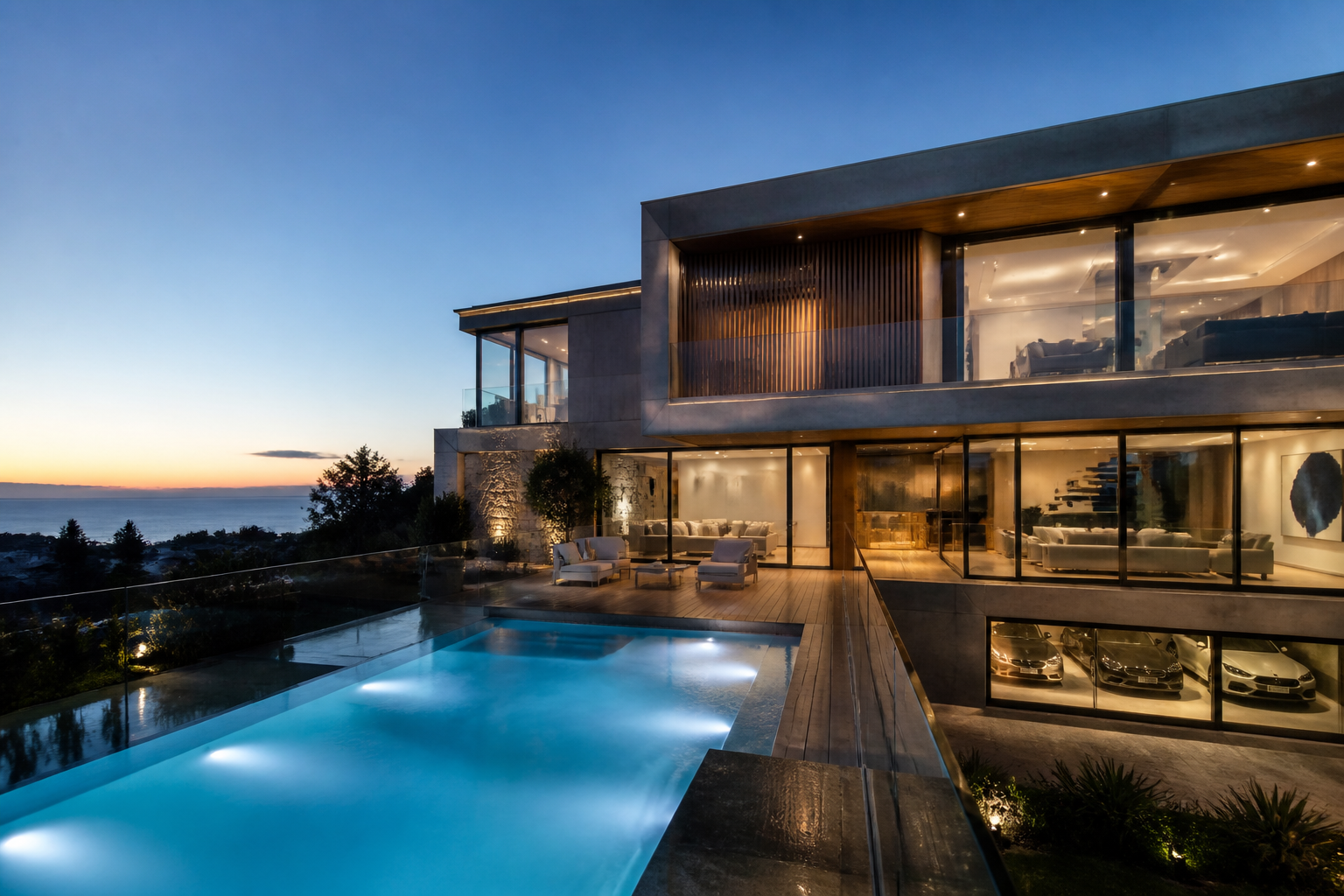
This topic is covered in full on Tailored Loans Sydney
How a swimming pool, basement or extra garage in Dover Heights can help or hinder your valuation, LVR and loan approval. A decision-grade guide you can use this week.
Read the full guide on tailoredloans.sydneyBuying or refinancing in Dover Heights with a pool, basement or new garage sounds simple: “nicer home = bigger loan”. In practice, lenders and valuers are more clinical. They care less about how glamorous the feature looks and more about safety, approvals, resale demand and your cashflow under a 3% interest rate buffer.
This guide explains how swimming pools, basements and other add‑ons in Dover Heights actually affect your valuation, LVR and loan approval – and what you can do this week to stay on the right side of the bank.
Quick answer: how these features affect your loan
For Dover Heights borrowers, pools, basements and add‑ons impact your loan in three main ways:
- Valuation: Does the feature increase, decrease or have neutral effect on the bank valuation, based on recent comparable sales?
- Risk profile: Does it add structural, safety or coastal‑risk issues that make the lender more conservative?
- Cashflow: Do the build cost, running costs and strata/insurance levies still work when stress‑tested 3% above today’s rates (APRA buffer)?
If a feature is well‑designed, council‑approved and in line with local demand, it can support a higher valuation and safe borrowing at, say, 70–80% LVR. If it’s non‑compliant, over‑the‑top or risky, the same feature can trigger a down‑valuation, lower max LVR or extra conditions.
How valuers look at Dover Heights pools, basements and garages
Lenders rely on independent valuers. In a prestige pocket like Dover Heights, with plenty of unique homes, their starting point is conservative.
For a deeper background on how valuers think locally, see How Banks Value One‑of‑a‑Kind Dover Heights Homes (Without Guesswork).
1. Swimming pool valuation in Dover Heights
In the Eastern Suburbs, especially close to the coast, a pool can be almost expected in some price brackets – but it isn’t automatically a dollar‑for‑dollar uplift.
Valuers tend to ask:
- Is the pool typical for the price point and street?
- Is it in good repair and compliant? (fencing, barriers, certification)
- Does it crowd the block or complement the outdoor space?
In many Dover Heights cases:
- A standard, compliant backyard pool might add a modest uplift to value compared with similar recent sales without a pool.
- A tired or non‑compliant pool can be treated as neutral or even negative, because buyers mentally subtract the cost of repairs or removal.
- A luxury pool with view‑facing entertaining area may support the top of a valuation range – but only if recent settled sales justify it.
2. Basements and under‑house additions
Basements are common in steep or view‑oriented blocks where owners dig under the existing footprint. They can be:
- Car storage/garages
- Rumpus rooms, gyms, home offices
- Self‑contained studios (granny flat‑style)
Valuers look at:
- Council approval and certificates – unapproved basements are often discounted or treated as storage only.
- Natural light and ceiling height – darker or low‑headroom spaces may have lower value per sqm than main‑level rooms.
- Usability – car spaces and functional living areas usually rate better than “man caves” with awkward access.
3. Garages and car accommodation
In Dover Heights, off‑street parking is valuable, especially on narrower streets or near bus routes.
- Going from no parking to a single garage or carport can materially improve value.
- Upgrading from single to double garage helps, but at higher price points the marginal uplift may diminish.
- Very steep or tight driveways can reduce practical value even if technically “two car spaces” are provided.
Valuation vs build cost: a worked example
Say you’re considering a $250,000 pool + landscaping project on a Dover Heights home valued at $4.2m.
- Build cost: $250,000
- Optimistic agent’s estimate of uplift: +$300,000
- Conservative valuer’s likely allowance: maybe +$100,000–$150,000, depending on comparables
If the bank valuation only rises to $4.3m (not $4.5m), your loan‑to‑value ratio (LVR) might not improve as much as you expect, even if the home feels far more luxe.
This is why, before big projects, it’s worth following the sequencing logic in Tap Dover Heights Home Equity For Renovations Without Overstretching: sanity‑check end value and LVR ranges before signing a building contract.
Lender risk lens: what makes them nervous (or comfortable)
Beyond raw value, lenders in 2026 are operating in a higher‑rate, tighter‑credit environment (see the RBA’s recent commentary on financial conditions). That flows straight into how they view prestige add‑ons.
Red flags that can hurt your approval
Lenders may:
- Reduce max LVR or decline a deal where:
- The pool or basement appears unapproved or non‑compliant.
- There are structural risks – e.g. cut‑ins near boundaries, obvious movement or cracking.
- The property is clifftop or high‑exposure and the add‑on increases perceived risk.
- Apply tighter policy or higher scrutiny for:
- Very high total exposure (e.g. loans above $3–4m).
- Self‑employed borrowers with volatile income, especially if taking on large construction debt.
Comfort factors that help
Lenders and valuers are usually more relaxed when:
- Council approval, occupation certificate and compliance documents are on file.
- The feature is typical for the pocket and price band – not an over‑capitalised outlier.
- LVR after works or purchase is comfortably ≤80% (often lower at very high price points).
- There is evidence of similar recent sales with comparable features supporting the price.
Comparison: how each feature tends to land with banks
| Feature type | Typical valuer view in Dover Heights | Lender risk lens | Common outcome on max LVR* |
|---|---|---|---|
| Standard backyard pool | Small positive if compliant & typical | Neutral if value supported, concern on upkeep | Up to standard 80% if overall profile OK |
| Luxury pool + full outdoor kitchen | Positive if backed by strong comparables | Watch over‑capitalisation & construction risk | May still cap at 70–80% for large loans |
| Simple basement garage | Positive, especially where street parking tight | Generally comfortable if approved and stable | Standard LVR, sometimes higher valuation |
| High‑spec basement living level | Mixed; depends on light, ceiling & approvals | Wants clear approvals, structure reports | Conservative LVR if any structural concern |
| Double/triple garage add‑on | Positive up to a point | Neutral beyond 2 cars unless super prime | Usually standard LVR |
*Illustrative only – each lender sets its own policy and may change it.
The strategy continues below
You've seen the problem and the groundwork — now unlock the exact steps our CPA-certified brokers use, including 7 more sections. Enter your email for instant, free full access.
Free access. No spam — unsubscribe anytime. Your details stay confidential.
Frequently asked questions
Talk to a CPA-certified broker
Free consultation, plain-English advice tailored to your situation.