
Article
Using Zoning Changes To Find Finance-Friendly Property Opportunities
How to read zoning and urban renewal plans the way lenders do, so you can spot bankable opportunities early and avoid nasty valuation surprises.
Key Takeaway
This article explains how Australian borrowers can use zoning changes and urban renewal plans to find finance‑friendly property opportunities, focusing on bank valuation risk and cashflow. It outlines key checks such as structure plans, infrastructure timing, and comparable sales, and notes lenders often shade values for highly speculative rezonings. A worked example shows the impact of a 10–15% valuation shortfall on a purchase. Readers are given a practical one‑week checklist to test whether a rezoned or renewal-area property is genuinely bankable.
This topic is covered in full on Tailored Loans Sydney
How to read zoning and urban renewal plans the way lenders do, so you can spot bankable opportunities early and avoid nasty valuation surprises.
Read the full guide on tailoredloans.sydneyZoning and urban renewal changes only become real finance opportunities when banks and valuers accept them, not when a glossy precinct map drops.
If you want to act this week, focus on three things: 1) what has actually been rezoned, 2) what comparable sales valuers can point to, and 3) whether the new use improves bank appetite, cashflow and exit options.

1. How banks really view rezoned and renewal-area property
Lenders don’t lend against potential – they lend against today’s evidence.
Valuers typically:
- Start with current best use under existing zoning.
- Cross-check with recent comparable sales under the same zoning.
- Discount any upside that depends on council or state approvals not yet in place.
That means:
- A house on land proposed for high-rise may still be valued as residential, not as a development site.
- A new mixed-use precinct might be valued conservatively until there is a track record of sales and leases.
For investors wondering whether to hold, renovate or pivot into these areas, pair this with the three-test framework in /insights/refinancing-underperforming-investment-properties-hold-renovate-or-sell-2.
Worked example: the valuation gap
- Purchase price: $1,000,000 (based on ‘future zoning’ hype).
- Bank valuation comes in 10% lower: $900,000.
- At 80% LVR, maximum lend is $720,000.
- You must now contribute $280,000 plus costs instead of $200,000.
That extra $80,000 either kills the deal or drains your buffer – which then limits future moves.
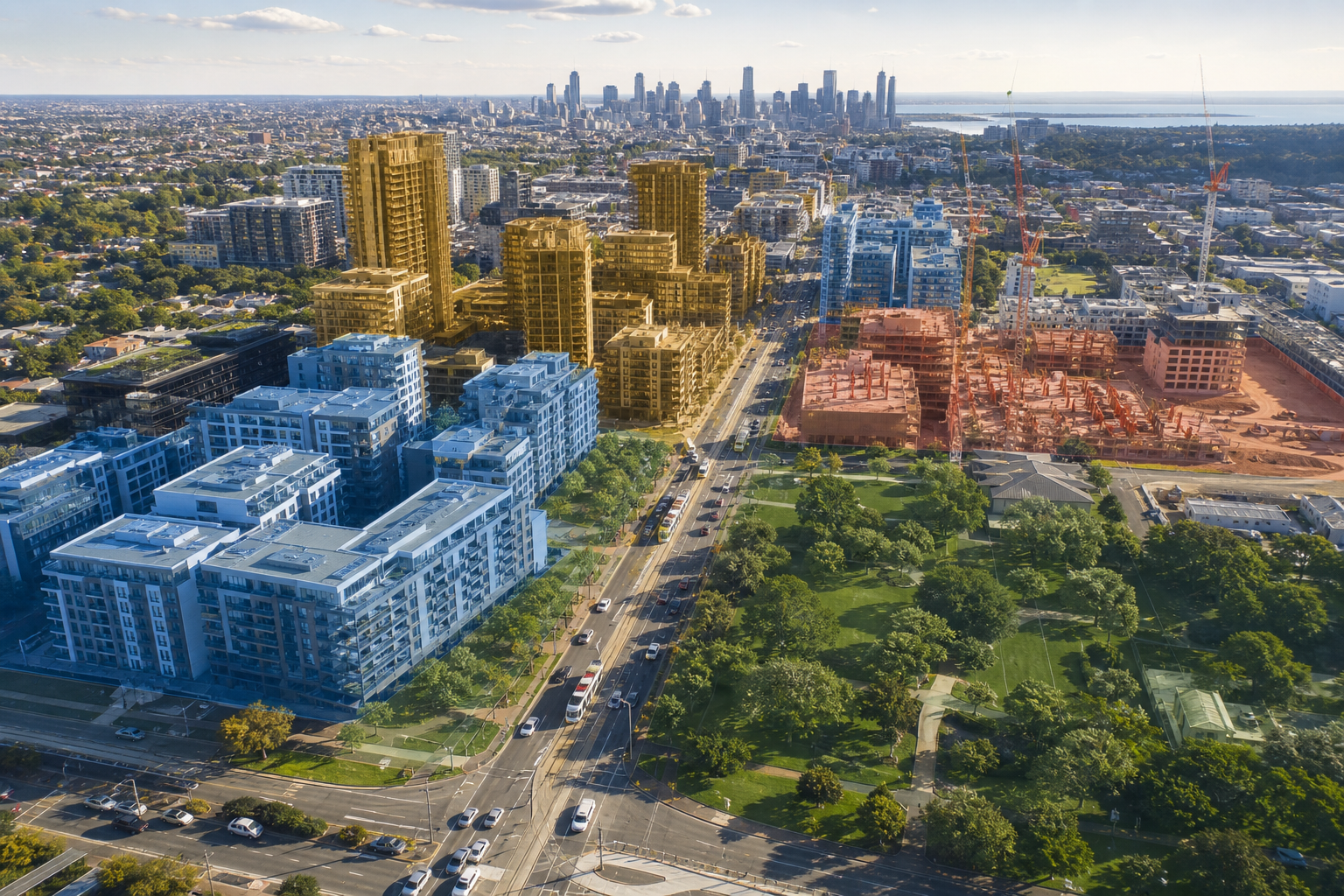
2. Zoning and renewal stages: when opportunity is bankable
Think in stages. Each stage increases the odds that lenders will recognise the uplift.
| Stage | What’s happened | How banks usually see it |
|---|---|---|
| 1. Idea | Draft strategy, talk in media | Pure speculation, no value uplift |
| 2. Proposed zoning | Exhibited LEP/structure plan | Maybe a small premium, often ignored |
| 3. Gazetted zoning | New zoning is law | Valuers start using higher-and-better-use comps |
| 4. Precinct built out | Sales, leases, stabilised yields | Strongest lending appetite, better LVRs possible |
Action this week:
Identify one area you’re interested in and check:
- Has the zoning already changed in the LEP or is it just in a structure plan?
- Are there at least 3–5 recent sales that reflect the new use (e.g. shop-top, warehouse, medical)?
- Are mainstream lenders actively writing loans there, or is it mostly private/non-bank money?
If you can’t tick those boxes, treat the upside as a bonus, not a base case.
The strategy continues below
You've seen the problem and the groundwork — now unlock the exact steps our CPA-certified brokers use, including 3 more sections. Enter your email for instant, free full access.
Free access. No spam — unsubscribe anytime. Your details stay confidential.
Frequently asked questions
Talk to a CPA-certified broker
Free consultation, plain-English advice tailored to your situation.