
Article
Boutique Block vs High‑Rise: How Your Home Loan Really Changes
Boutique block or high‑rise tower? Lenders price and cap these very differently in Sydney’s East. This guide shows how building type affects borrowing power, deposit size, LVR, valuation risk and exit options, so you can choose a block and a loan structure you’re comfortable with this week.
Key Takeaway
Australian lenders typically view boutique apartment blocks (under ~20 units) as lower risk than high‑rise towers, often allowing up to 90–95% LVR where the building, strata and location are strong, while high‑density or mixed‑use towers may be capped at 70–80% LVR and face tougher valuations. This article explains how building size, density and defects shape loan terms, with a worked borrowing example and a checklist so buyers can pick a structure they can safely afford this week.
This topic is covered in full on Tailored Loans Sydney
Boutique block or high‑rise tower? Lenders price and cap these very differently in Sydney’s East. This guide shows how building type affects borrowing power, deposit size, LVR, valuation risk and exit options, so you can choose a block and a loan structure you’re comfortable with this week.
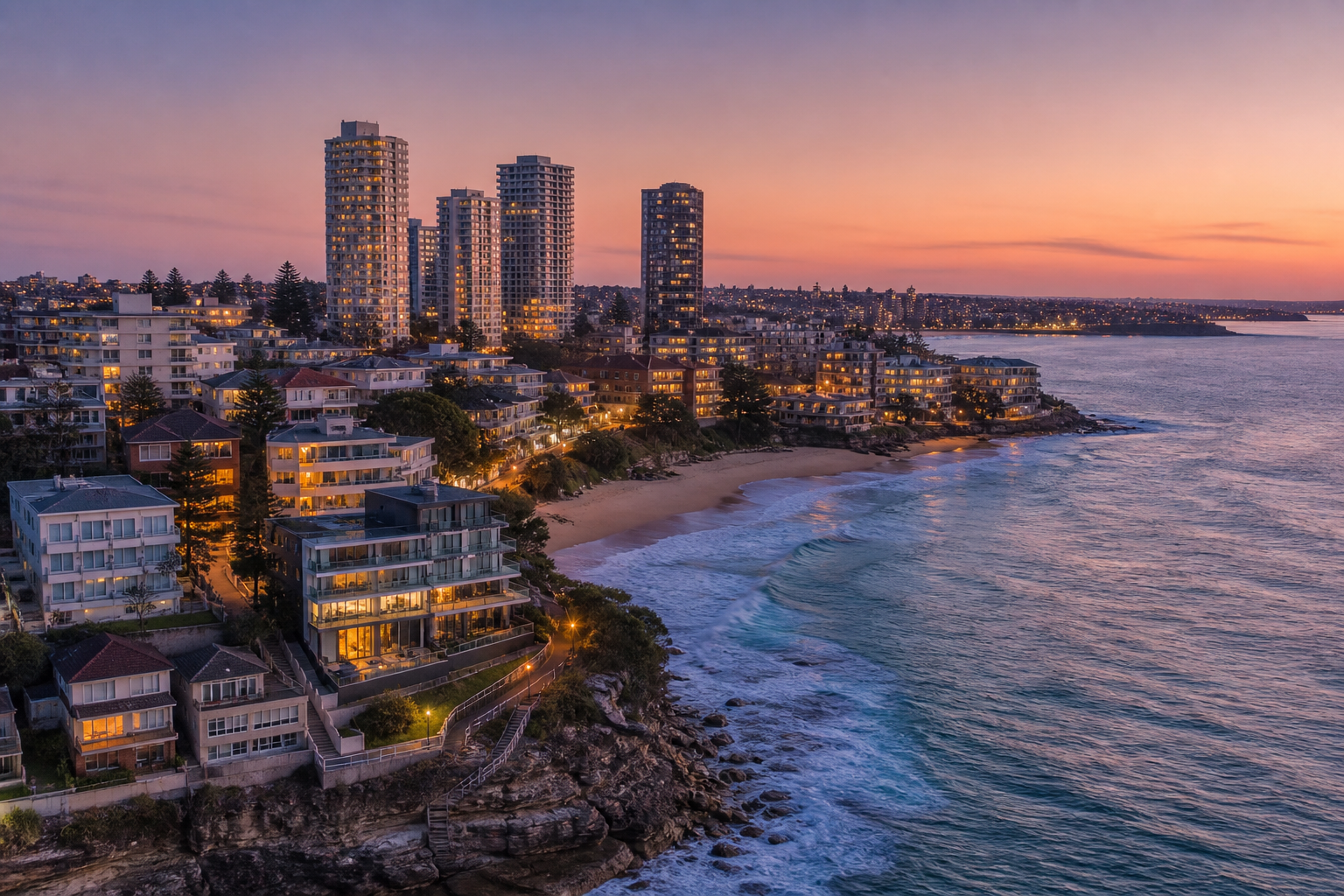
Read the full guide on tailoredloans.sydneyBuying into a boutique block or a high‑rise tower directly changes how much you can borrow, what deposit you need and how banks stress‑test your loan. Lenders usually see low‑rise boutique blocks in Sydney’s Eastern Suburbs as safer and more liquid than very large, high‑density towers, so they often allow higher LVRs and sharper terms, while big towers can attract caps, valuation haircuts and tougher scrutiny.
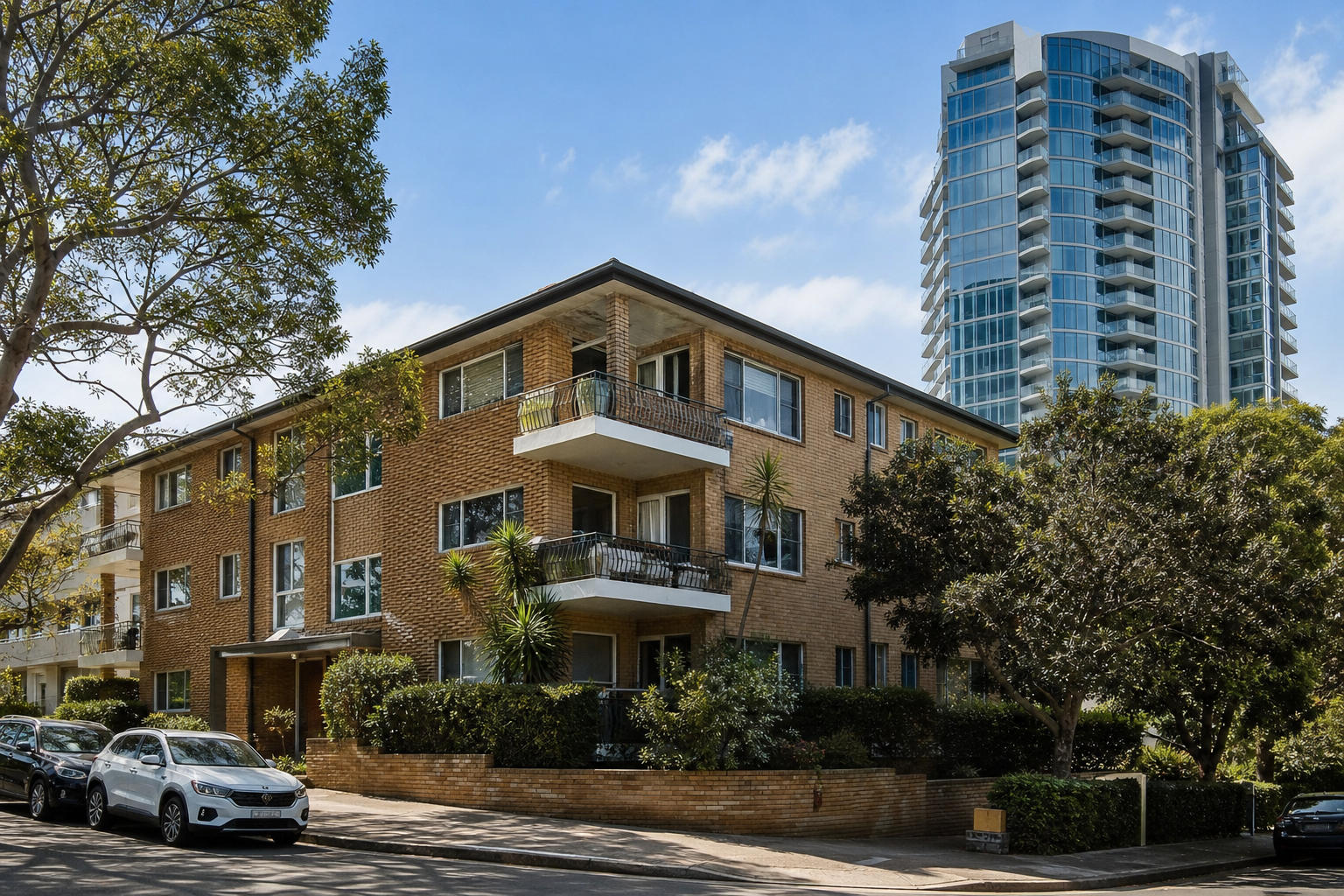
In practical terms: a Bondi boutique block mortgage might be approved at up to 90–95% LVR if everything else is strong, whereas a large Sydney CBD or Mascot‑style tower might be limited to 70–80% LVR with stricter conditions.
How lenders classify boutique blocks vs high‑rise towers
1. Typical lender definitions
There’s no single industry‑wide line, but most lenders group apartments roughly as:
- Boutique / small block: often <20–30 units, no retail or hotel component, mostly owner‑occupiers.
- Standard medium density: 20–50 units, purely residential, common in Bondi, Coogee, Randwick.
- High‑rise / high‑density: >50–100+ units, often with lifts, facilities and sometimes commercial space.
In areas with a lot of very dense stock (e.g. Mascot, Zetland), lenders maintain internal “postcodes and buildings to watch” lists. Some towers get tighter maximum LVRs or are excluded altogether, as explained in more detail in /insights/mascot-high-density-mixed-use-lender-checks.
2. The risk lenses banks actually use
When credit teams look at your apartment, they’re really weighing:
- Marketability: How easy is this to sell in 90 days if they had to?
- Valuation certainty: Is there enough comparable sales to support the price?
- Building risk: Construction quality, defects, cladding, waterproofing, sinking fund.
- Concentration risk: Is the lender over‑exposed to this one tower or postcode?
Smaller, well‑located blocks in the East tend to score better on all four.
Boutique block vs high‑rise: what changes in your loan terms
1. Common differences at a glance
| Factor | Boutique block (e.g. 6–12 units in Bondi) | High‑rise tower (e.g. 150 units Mascot/CBD) |
|---|---|---|
| Typical max LVR* | Up to 90–95% (with LMI) | Often 70–80%, some lenders lower |
| Valuation risk | Moderate – good comparable sales | Higher – risk of valuation shortfall |
| Lender appetite | Wide choice of mainstream lenders | Limited panel, more policy exceptions |
| Scrutiny on strata / defects | High, but usually straightforward | Very high, especially post‑cladding issues |
| Resale/exit assumptions | Generally strong in East | Depends on oversupply, investor ratios |
| Likely interest rate / pricing | Standard owner‑occ/investor pricing | Sometimes a small premium or tighter terms |
*Indicative only. Actual limits vary by lender, property and borrower profile.
For prestige small blocks (e.g. 4‑unit luxury in Rose Bay), some banks treat them more like specialised stock, with bespoke valuation and exit assumptions. See /insights/small-luxury-block-rose-bay-valuation-liquidity-loan-impact for specifics.
2. Borrowing power vs deposit size
Your income and expenses drive borrowing power everywhere, but building risk changes how much of the purchase price the bank is willing to fund.
- Higher perceived risk → lower max LVR → larger deposit needed.
- For the same $1.2m price, a 90% vs 75% LVR cap is the difference between a $120k deposit and a $300k deposit plus costs.
Lenders also apply the APRA‑guided 3% serviceability buffer on top of actual rates. In a high‑risk building, a borderline servicing file is much easier to decline.
The strategy continues below
You've seen the problem and the groundwork — now unlock the exact steps our CPA-certified brokers use, including 5 more sections. Enter your email for instant, free full access.
Free access. No spam — unsubscribe anytime. Your details stay confidential.
Frequently asked questions
Talk to a CPA-certified broker
Free consultation, plain-English advice tailored to your situation.