
Article
How To Fund Urgent Fire, Cladding And Safety Fixes Fast
How Australian strata owners can quickly fund urgent fire, cladding and safety upgrades without panic levies, including strata loans, refinancing and staged levy strategies.
Key Takeaway
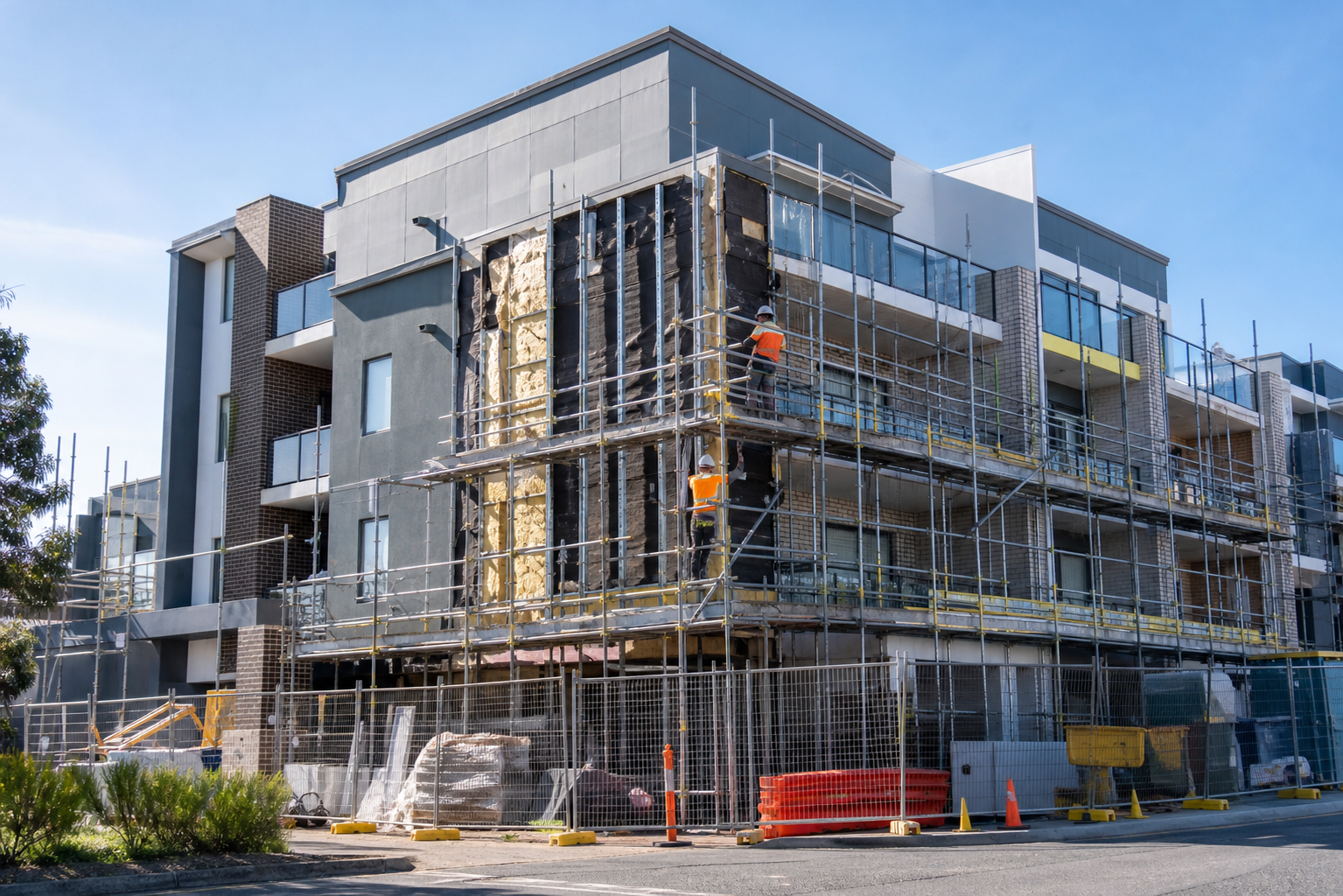
Urgent fire, cladding, and safety upgrades in Australian strata buildings are usually funded through a mix of strata loans, staged special levies, and, sometimes, individual refinancing, with total project costs often running into hundreds of thousands of dollars. Owners corporations should compare per-lot levy impacts over 5–10 years, check borrowing capacity at rates 3% higher, and consider tax deductibility for investors. Acting early to lock in funding and protect personal buffers lets owners avoid panic levies and distressed sales.
This topic is covered in full on Tailored Loans Sydney
How Australian strata owners can quickly fund urgent fire, cladding and safety upgrades without panic levies, including strata loans, refinancing and staged levy strategies.
Read the full guide on tailoredloans.sydneyUrgent fire, cladding and safety upgrades in strata buildings are usually funded through a mix of strata loans, special levies and, sometimes, individual refinancing. The right answer depends on project urgency, building size and how stretched owners already are. If the work is safety‑critical or under a regulatory order, a properly-structured strata loan is often the least painful way to act fast and spread costs fairly.
Quick answer you can act on this week:
- Get a realistic total cost and timeline from your strata manager and engineer.
- Model 3–4 funding options per lot (levies vs strata loan vs hybrid).
- Check how each option affects your personal cash buffer and borrowing power.
- Take a clear proposal to the next general meeting.
What actually counts as “urgent” fire and safety work?
“Urgent” usually means one of:
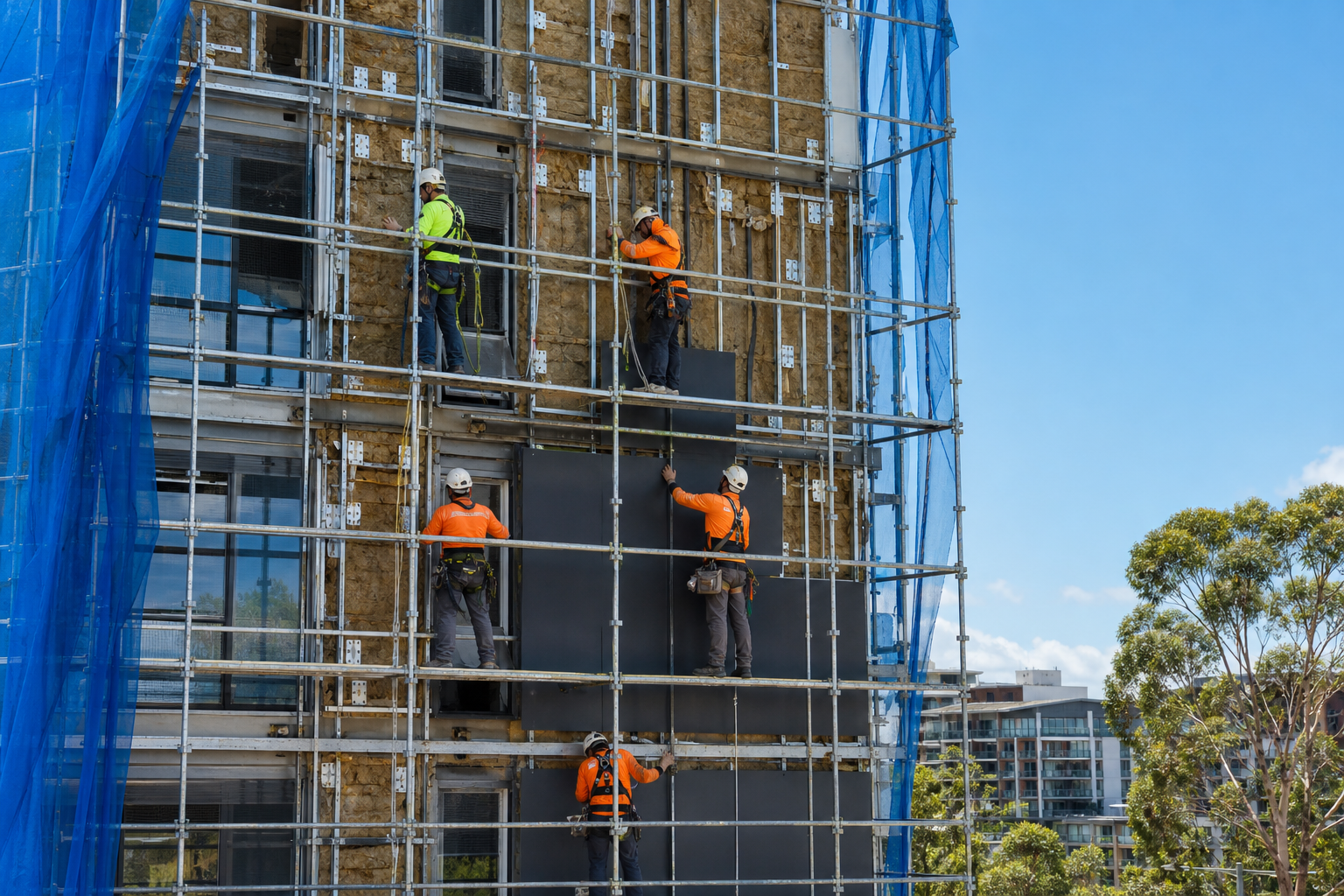
- Combustible cladding remediation under state fire safety programs.
- Fire stair pressurisation, hydrant, sprinkler or alarm upgrades.
- Essential Safety Measures (ESM) compliance – doors, exit signs, lighting.
- Rectification notices or fire orders from council or fire authorities.
If you’ve received a fire order or a cladding assessment showing high risk, delaying can:
- Increase insurance excess or trigger exclusions.
- Restrict sales or refinances of individual lots.
- Lead to fines or enforcement action against the owners corporation.
That’s why “wait and save” is often not realistic.
The strategy continues below
You've seen the problem and the groundwork — now unlock the exact steps our CPA-certified brokers use, including 6 more sections. Enter your email for instant, free full access.
Free access. No spam — unsubscribe anytime. Your details stay confidential.
Frequently asked questions
Talk to a CPA-certified broker
Free consultation, plain-English advice tailored to your situation.