
Article
Simple Ways To Track Geared Property Cashflow With Spreadsheets
Written and reviewed by James Chee, CPA · Last reviewed
How to track geared property cashflow in Australia using a simple spreadsheet or basic tools so you can see rent, costs, tax and buffers clearly – without being an accountant.
Key Takeaway
Australian investors can track geared property cashflow using a simple spreadsheet that logs rental income, core expenses, and loan details to show net monthly and after‑tax position. By treating each property like a mini business unit and stress‑testing a 2–3% rate rise, investors can avoid over‑gearing and protect buffers. Setting up one tab per property and updating it monthly from bank statements provides decision‑grade numbers for refinancing and further purchases.
Watch the short answer
Home loans when you earn through digital platforms or rolling contracts
While you’re mapping your geared property cashflow, this video explains how home loans work when your income comes from gigs or contracts.
Read the transcript
If you earn your living through digital platforms or rolling contracts, standard banks will treat you like you're unemployed. Retail credit systems are built for the 1990s definition of a 9-to-5 payslip. When they see fluctuating invoices, they panic. At Local Knowledge Finance, we specialise in the modern economy. We utilise lenders who understand digital revenue, creator funds, and specialised contracting. We smooth out your income using advanced alt-doc policies to present a rock-solid case to a human underwriter. Your modern income needs a modern broker. DM me 'CREATOR' to unlock your actual buying power.
General information only, not personal advice. Your situation is assessed before any recommendation.

This topic is covered in full on Tailored Loans Sydney
How to track geared property cashflow in Australia using a simple spreadsheet or basic tools so you can see rent, costs, tax and buffers clearly – without being an accountant.
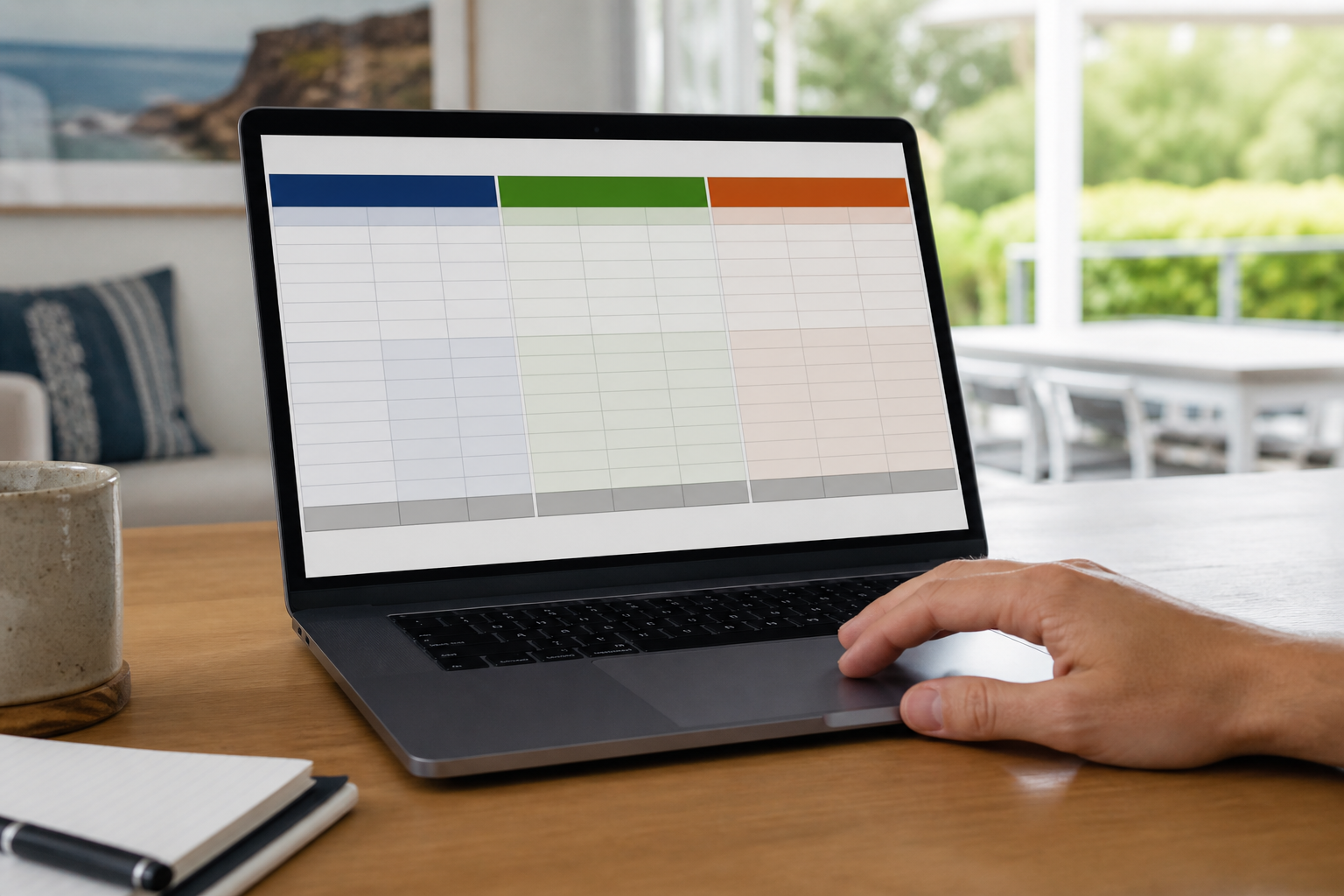
Read the full guide on tailoredloans.sydneyYou can track geared property cashflow in Australia with a simple spreadsheet by listing rent, key expenses and loan details, then calculating monthly net cashflow and a rough tax impact. You don’t need to be an accountant – if you can add, subtract and copy a formula, you can build decision‑grade numbers that show whether a property is funding you or draining you.
This guide walks you through a practical layout you can set up this week, plus a stress‑test view so higher rates or lower rent don’t catch you by surprise.
1. What “cashflow” you actually need to track
For geared property, track three layers:
- Operating cashflow – rent in, core expenses out.
- Financing cashflow – loan repayments and interest.
- After‑tax position – rough estimate of the tax refund or extra tax.
You don’t need full tax schedules. Your goal is to answer:
- Is this property positive or negative per month, before tax?
- After expected tax, how much is it costing or paying me each year?
- What happens if rates jump or my income drops?
These questions line up with the modelling we use when testing gearing resilience and buffers in other pieces, like quietly de‑risking a geared portfolio.
2. Set up a simple property cashflow spreadsheet
Use Excel, Google Sheets or Numbers. Structure matters more than software.
2.1 One tab per property
Create a workbook called Property Cashflow. Inside it:
- Tab 1 – Summary (portfolio view)
- Tab 2 – Property 1
- Tab 3 – Property 2 …and so on.
Treat each property like a separate business unit, consistent with the principle that each geared property should stand on its own legs.
2.2 Core inputs to capture (no jargon)
On each property tab, put inputs at the top:
Income
- Weekly rent (e.g. $650)
- Weeks vacant assumed per year (e.g. 2)
Loan details
- Loan balance (e.g. $600,000)
- Interest rate (e.g. 6.2% p.a.)
- Repayment type (P&I or interest‑only)
- Term remaining (years)
Annual expenses (estimate)
- Council rates
- Water
- Strata/body corporate
- Land tax (if any)
- Landlord insurance
- Property management fees (as % of rent plus estimated $)
- Repairs and maintenance (realistic allowance)
- Other (accounting fees, small subscriptions, etc.)
2.3 Basic outputs and formulas
Below the inputs, build a small summary box that shows:
- Gross annual rent = weekly rent × (52 – vacancy weeks)
- Total annual expenses (non‑loan) = sum of all expense lines
- Annual loan repayments – use a loan repayment formula or a loan calculator and type in the annual figure
- Net cashflow before tax = gross rent – expenses – loan repayments
- Net cashflow per month = annual net ÷ 12
You don’t need to build a perfect amortisation schedule. For most people, a solid annual repayment figure from a calculator is enough to make decisions.
The strategy continues below
You've seen the problem and the groundwork — now unlock the exact steps our CPA and Registered Tax Agent-led brokers use, including 6 more sections. Enter your email for instant, free full access.
Free access. No spam — unsubscribe anytime. Your details stay confidential.
Frequently asked questions
Related articles
Commercial & development
Smart Debtor Finance Around Progress Claims For Builders And Tradies
Commercial & development
Construction Cashflow 101: Progress Claims, Retentions And Funding Gaps
Self-employed lending
How to clean up overdrafts and director loans before a home loan
Self-employed lending
Simple Working Capital Setups For Sole Traders That Stay Tax‑Clean
Talk to a broker who is a CPA and Registered Tax Agent
Free consultation, plain-English advice tailored to your situation.