
Article
Financing Warehouses, Self‑Storage And Last‑Mile Assets In Industrial Hubs
A concise, decision‑grade guide to how Australian lenders view warehouses, self‑storage and last‑mile logistics properties in key industrial corridors, and what you can do this week to improve your chances of approval.
Key Takeaway
Australian lenders currently show solid appetite for warehouses, self‑storage and last‑mile logistics property in established industrial corridors, but typically cap gearing around 60–70% LVR and stress test income with a 3% interest rate buffer. They focus on location quality, tenant strength, vacancy risk and exit strategy, not just the property type. Borrowers who prepare realistic cashflow models, cleaner financials and a clear refinance or sale exit can materially improve approval odds within a week.
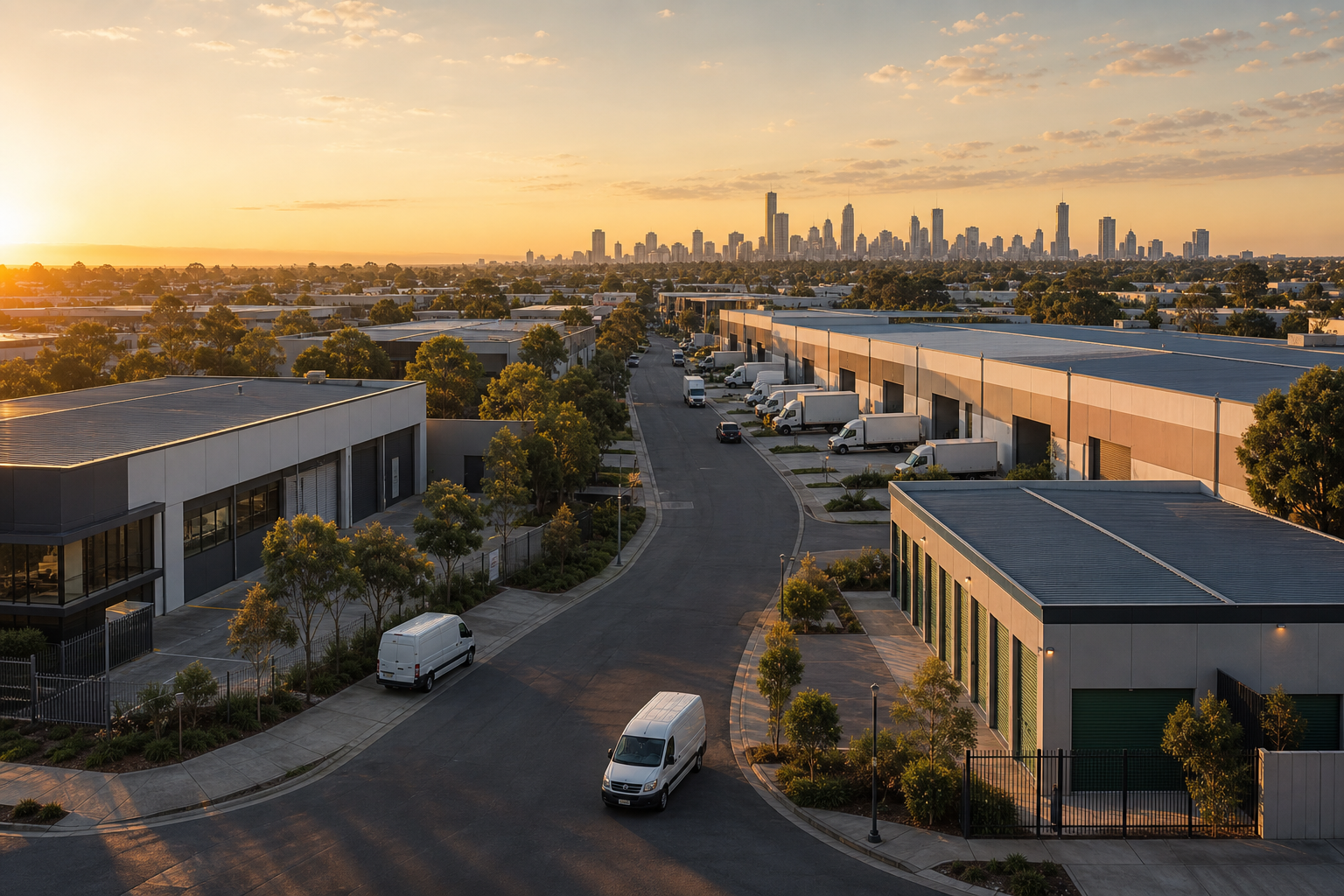
Lenders are generally positive on warehouse, self‑storage and last‑mile logistics property in strong industrial corridors, but they’re more conservative than with standard homes: expect ~60–70% LVR, tougher serviceability tests and close scrutiny of vacancy and tenant risk.
If you prepare clean financials, a simple income/expenses model and a realistic exit plan, you can usually get bank‑ready for this type of deal within a week.
How lenders actually see these asset types
1. Warehouses in established industrial corridors
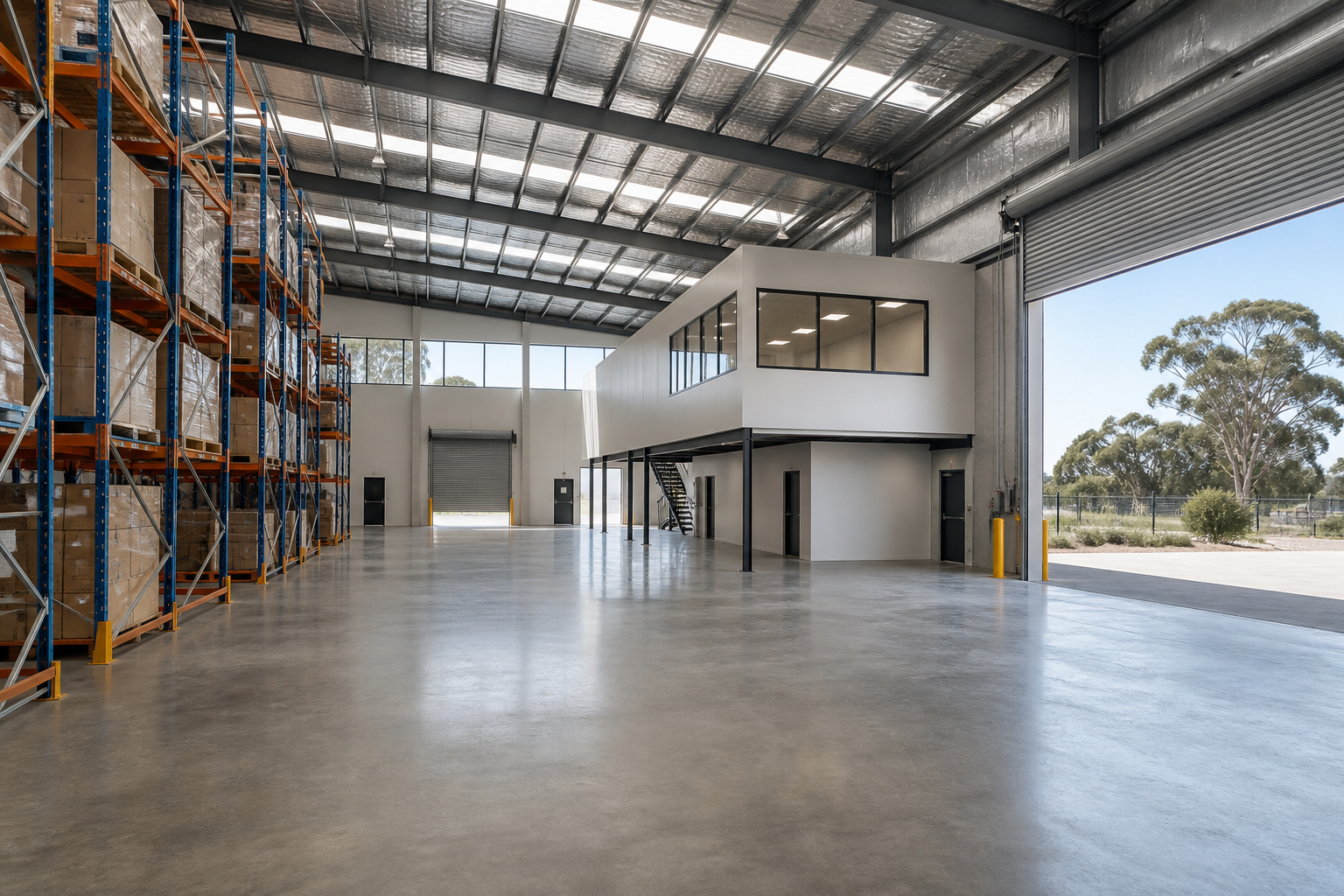
Well‑located warehouses in major corridors (e.g. near ports, airports, major arterials) are usually seen as “core” commercial property.
Key things lenders like:
- Strong access: proximity to major roads, rail or ports.
- Standard industrial zoning and construction (high clearance, loading, parking).
- Simple uses: storage, distribution, light manufacturing.
They’ll get nervous about:
- Single specialised users (e.g. heavy food processing fit‑outs) that are hard to re‑lease.
- Environmental risk (old fuel sites, chemical use) and building obsolescence.
Indicative terms (illustrative only, not advice or live rates):
- LVR: often 60–70% of bank valuation.
- Loan term: 10–20 years (principal & interest preferred).
- Rates: usually higher than home loans; often priced like other commercial property.
2. Self‑storage facilities
Self‑storage is popular with private investors, but lenders know income can be fragmented and more volatile.
They like:
- Established facilities with strong occupancy history.
- Professional operators and systems (online booking, dynamic pricing).
- Locations with strong population growth and limited competing sites.
They worry about:
- Start‑ups without trading history.
- Over‑supply in fringe suburbs.
- Owner‑operators with weak books or mixed personal/business finances.
Expect tighter:
- LVRs: commonly 55–65%.
- Serviceability tests, often assuming conservative occupancy and higher interest rates (APRA suggests using at least a 3% buffer for stress‑testing).
3. Last‑mile logistics and urban infill sheds
Last‑mile depots, cross‑docks and small infill warehouses close to dense suburbs can be attractive, but zoning and planning risk step up.
Lenders like:
- Blue‑chip or national tenants on documented leases.
- Good truck access plus car parking.
- Clear industrial or enterprise zoning with low risk of restrictions.
They’re cautious about:
- Short‑term or rolling month‑to‑month tenancies.
- Likely complaints from neighbours about noise/traffic.
- Properties that might be rezoned away from industrial without a clear plan.
If you’re looking at a mixed‑use or emerging precinct, read our guide on financing mixed‑use and shop‑top housing safely so you’re not blindsided by zoning quirks.
The strategy continues below
You've seen the problem and the groundwork — now unlock the exact steps our CPA-certified brokers use, including 4 more sections. Enter your email for instant, free full access.
Free access. No spam — unsubscribe anytime. Your details stay confidential.
Frequently asked questions
Talk to a CPA-certified broker
Free consultation, plain-English advice tailored to your situation.